
Published on
September 19, 2025

Although Pheasant Island is hidden in the middle of the Bidasoa River and can be easily overlooked, it holds significant historical and cultural value. This small and unpopulated island is situated on the border between France and Spain, and what is unique about it is its shared sovereignty; for the first six months of the year, it belongs to Spain, and for the other six months, to France. Such an arrangement, dating back to the Treaty of the Pyrenees and in place to this day, serves as a quiet reservoir of peace, diplomacy and collaboration.
Despite its small and unremarkable appearance, Pheasant Island serves as an important site for those who are keen on history, geopolitics and the shared European cultural heritage, as it demonstrates how two countries can sustain positive relations over a a common territory for centuries.
A Treaty That Shaped European History
The story of Pheasant Island begins in 1659, when France and Spain were seeking a resolution to prolonged conflict. The Treaty of the Pyrenees was signed on this very island, ending decades of hostilities between the two powers. As part of the treaty, the marriage of Louis XIV of France and Maria Theresa of Spain was arranged, further strengthening the alliance between the two nations.
Rather than fighting over ownership of the island, the two countries devised an unusual yet enduring solution: they would alternate control of Pheasant Island every six months. This agreement has remained intact for more than three centuries, making it a living testament to diplomatic compromise and international cooperation. For travelers, the story of the island adds a layer of fascination beyond its modest size, illustrating that even the smallest places can carry immense historical weight.
A Quiet, Uninhabited Island
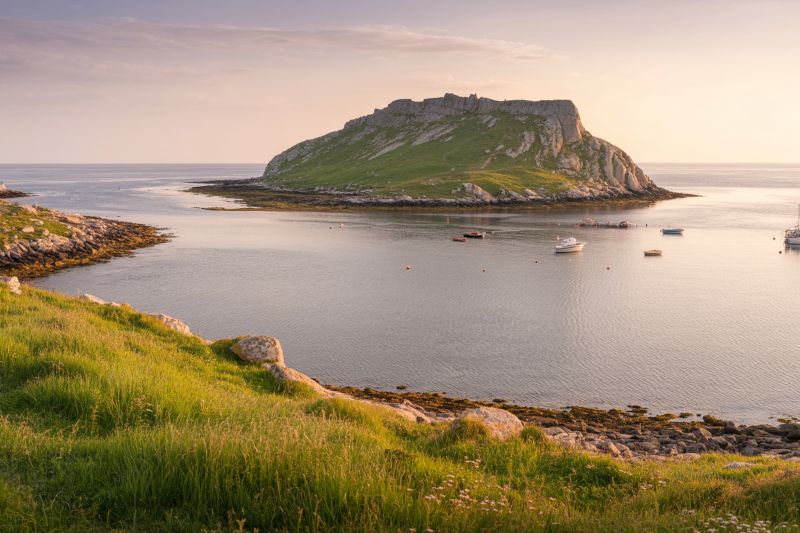
Unlike famous tourist landmarks, Pheasant Island is uninhabited and largely untouched. There are no houses, shops, or amenities, just a simple stretch of trees, grass, and the river flowing around it. Its emptiness is part of its charm, emphasizing history over commerce or tourism.
For visitors, this means the island is experienced from a distance. Tourists cannot set foot on the island except for official personnel who oversee the biannual handovers or maintenance workers. For everyone else, the best view comes from the riverbanks, whether from the Spanish town of Irun or the French town of Hendaye, both offering scenic vantage points to observe the tranquil island.
This restriction makes Pheasant Island unique compared to other European landmarks. Travelers cannot interact with it directly, yet its presence sparks curiosity and provides an educational perspective about European diplomacy and border management.
Viewing Pheasant Island: Tips for Tourists
Though you cannot explore the island directly, the surrounding areas offer plenty of opportunities for tourists to appreciate it from afar. Both Irun and Hendaye feature riverside paths, historical buildings, and scenic spots ideal for photography and sightseeing. Tourists can enjoy a walk along the Bidasoa River, take in panoramic views of Pheasant Island, and learn about its historical significance through informational plaques and local guides.
For visitors interested in history, a guided tour of the nearby towns provides context about the Treaty of the Pyrenees, France-Spain relations, and the broader cultural significance of the region. Local tourism offices in Irun and Hendaye often offer brochures or guided tours that highlight Pheasant Island’s story, making it a fascinating day trip destination for anyone exploring the Basque Country.
Lessons in Diplomacy and Cooperation
Pheasant Island is more than just a historical footnote—it is a living symbol of peaceful coexistence. In a world where borders are frequently contested and political tensions are common, the island stands out as an example of quiet diplomacy. Its long-standing shared governance shows that conflicts over territory do not always need to lead to dispute or division.
Travelers can take inspiration from this small island: it demonstrates how agreements can last when both parties honor their commitments. For tourists, this adds depth to the travel experience, offering not just scenic beauty but also an educational lesson in international relations.
Cultural and Tourism Significance
While Pheasant Island is not a site for active tourism, it plays a subtle but important role in promoting cultural awareness and cross-border tourism. The towns surrounding the island, Irun in Spain and Hendaye in France, benefit from visitors who come to admire the island, learn about its history, and explore the broader Basque region.
Tourists visiting the area often combine a trip to view the island with river walks, local cuisine, and Basque cultural experiences, making it a unique, low-impact travel destination. The island exemplifies how tourism can thrive even around sites that are inaccessible, provided there is historical or cultural significance to engage visitors.
Preserving History for Future Generations
Pheasant Island serves as a reminder that even the smallest geographic features can hold profound stories. Its preservation and continued shared governance highlight the importance of maintaining historical agreements and respecting heritage. For tourists, understanding the story behind the island enriches the travel experience and provides insight into how Europe’s past conflicts have been peacefully resolved.
Educational tourism around sites like Pheasant Island encourages travelers to appreciate not just the landscapes but also the political and cultural history of a region, offering an enriching alternative to conventional sightseeing.
A Small Island with a Big Story
While small and seemingly quiet, Pheasant Island serves to the visitors as a window capturing diplomacies and interactions between the french and the spanish that spans over 300 years. The alternating sovereignty, uninhabited interrupted, and the uninhabited landscape combined with the historical value make Pheasant Island a true marvel.
It is within the Basque Country that Pheasant Island allows the visitors to pontificate the scenarios and the soft approaches taken to resolve the conflicts, delight in the idyllic views of the river, and engage the lovely twin towns of Irun and Hendaye. Pheasant Island is a true testament that even the tiniest and the most quiet places, can create a strong impression with the right mixture of history, geography, and tourism which is rare in most places.
