
Published on
September 20, 2025

Greece’s tourism sector is facing challenges due to rising operational costs, strained infrastructure, and increasing competition from other Mediterranean destinations. These factors are putting pressure on the country’s once-booming hospitality industry, with experts warning that growth may slow in the coming years. Economic shifts, changing traveler behaviors, and over-tourism are further contributing to the uncertainty, making it crucial for Greece to implement sustainable strategies and infrastructure improvements to secure its place as a leading travel destination.
Greece’s tourism industry, a cornerstone of the country’s economy, is facing increasing challenges as experts warn that the period of robust, uninterrupted growth may be nearing its end.
The country’s hospitality sector, buoyed by strong performance in recent years, is now experiencing a shift in dynamics, with concerns mounting that 2026 could usher in a period of slower growth. Industry stakeholders are pointing to a variety of factors contributing to these concerns, including escalating operational costs, infrastructure limitations, and rising competition from other Mediterranean destinations.
Economic and Behavioral Shifts in Travel Demand
Tourism experts are highlighting the role of global economic trends in shaping the demand for travel to Greece. Economic slowdowns in major European markets, coupled with cautious spending habits from U.S. travelers, have already begun to impact booking patterns. As disposable income in key tourist regions decreases, travelers are becoming more selective about where and how they spend their money.
Hoteliers are noticing a shift in traveler behavior, with guests waiting longer to finalize their travel plans and cutting back on their spending once they arrive. The trend toward more budget-conscious decisions is expected to exert downward pressure on hotel revenues, despite a stable influx of visitors. This shift in consumer behavior could further strain Greece’s tourism sector, potentially dampening the overall economic benefits that the industry has brought to the country.
Strain on Infrastructure and Over-Tourism
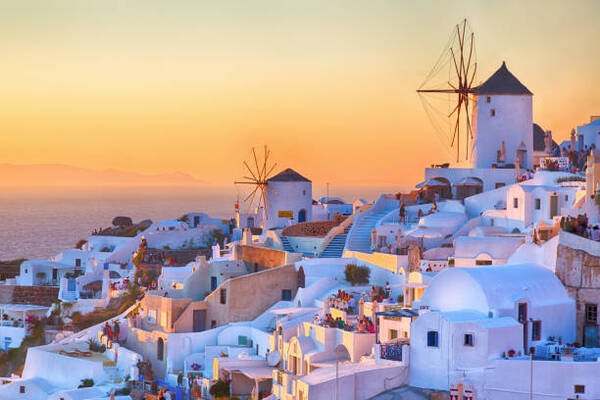
The surging popularity of iconic Greek destinations, like Santorini, is exposing critical weaknesses in the country’s infrastructure. During peak travel seasons, the increased influx of tourists places immense pressure on vital services, including transportation, waste management, and water supply systems. These systems, which were never designed to handle such high volumes of visitors, are increasingly struggling to keep up with demand.
Consequently, both locals and tourists are experiencing the negative effects of overcrowding. The strain on infrastructure is also leading to environmental concerns, with risks such as wildfires, pollution, and other extreme weather events becoming more frequent. These challenges not only detract from the quality of the visitor experience but also jeopardize the long-term sustainability of tourism in the country. Experts argue that without intervention, these growing pains could undermine the future health of Greece’s tourism industry.
Calls for Policy Reform and Sustainable Solutions
To address these mounting challenges, industry leaders, including representatives from Greece’s Hoteliers Federation (POX) and the Greek Tourism Confederation (SETE), are urging the government to introduce targeted reforms. These would include stabilizing the nation’s tax policies, regulating the short-term rental market, and making substantial investments in key infrastructure projects, particularly in high-traffic areas like the Greek islands and popular mainland destinations.
However, stakeholders are not solely focused on immediate interventions. They also stress the importance of shifting toward more sustainable tourism practices to safeguard Greece’s position in an increasingly competitive Mediterranean market. Diversifying Greece’s tourism offerings is seen as a crucial step in maintaining the country’s appeal to a broader range of visitors.
While Greece is renowned for its sunny beaches, industry leaders advocate for promoting alternative experiences, such as cultural tours, gastronomic experiences, and eco-friendly travel options. By positioning itself as a destination with diverse attractions, Greece could appeal to a wider array of tourists, thus reducing the pressure on its traditional hotspots and ensuring that the tourism sector remains competitive in a crowded global marketplace.
Long-Term Implications for the Hospitality Industry
Failure to implement these strategic changes could have significant repercussions for Greece’s tourism sector by 2026. If the issues of rising costs, infrastructure strain, and over-tourism are not addressed, the country may face slower growth, which would ultimately impact the financial health of both the hospitality and travel industries. Reduced profitability could lead to increased pressure on hotel operators, tour operators, and other stakeholders who rely on a thriving tourism sector.
Moreover, without a sustainable strategy, the sector risks damaging its reputation as a premier travel destination. As competitors in the Mediterranean, such as Spain, Italy, and Croatia, continue to invest in infrastructure and alternative offerings, Greece must act swiftly to protect its share of the market. This means addressing the challenges head-on with long-term solutions that ensure both the prosperity of the tourism industry and the well-being of local communities.
While Greece remains one of the most popular tourist destinations in the world, the industry faces a pivotal moment. Industry leaders are urging for swift action to address the growing concerns regarding infrastructure, economic pressures, and changing traveler behavior. Without a shift towards sustainable practices and investment in necessary reforms, Greece may struggle to maintain its status as a leading Mediterranean destination in the years to come.
