
Published on
September 28, 2025

The focus of Bosnia and Herzegovina tourism is the development of the community while protecting nature and fostering sustainability. It aims to attract environmentally sensitive tourists by marketing its unspoiled nature and rich cultural diversity. This shift has been influenced in the diplomacy of the business community with domestic government authorities and partnerships with civil society, and perhaps foreign entities, with the likes of the UN and EU.
Sustainable Tourism: A Collaborative Effort
One of the key drivers of Bosnia and Herzegovina’s tourism is its partnerships, aimed at safeguarding the environment while providing new employment opportunities in rural areas. Over the past years, efforts have resulted in the restoration of guesthouses, conservation of natural landscapes, and sustainable development of protected areas. Through joint initiatives with international partners, these projects are propelling the country’s tourism sector towards a future where both people and nature thrive.
Strengthening Nature and Communities
The Global Environment Facility (GEF) has played a significant role by funding initiatives such as the Sustainable Protected Areas (SPA) project, which harmonises tourism with environmental conservation efforts. Five protected areas have received funding for fire prevention and resilience plans, and biodiversity restoration projects are helping preserve local wildlife, such as the Bosnian alpine newt at Prokoško Lake. These efforts are crucial for tourists who are eager to explore nature while ensuring it remains preserved for future generations.
Via Dinarica: Connecting Communities Across Borders
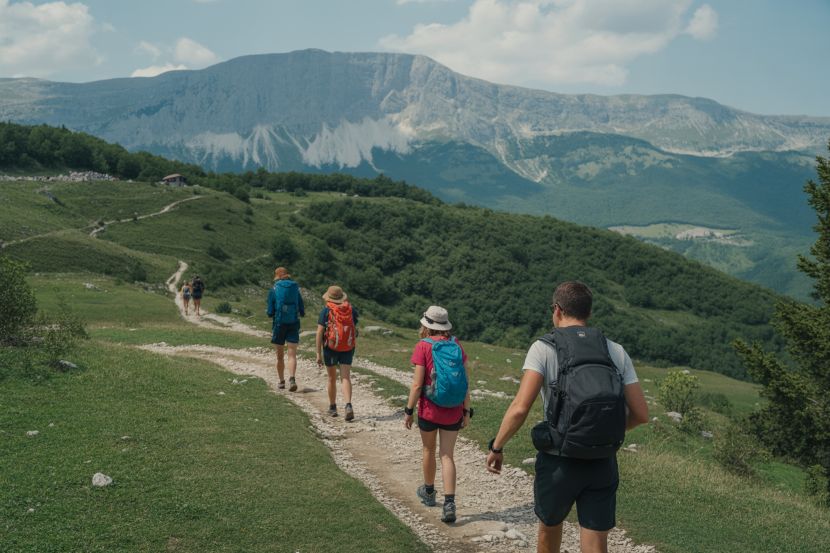
One of Bosnia and Herzegovina’s most significant tourism success stories is the Via Dinarica trail, which has now become an internationally recognised platform. Stretching over 2,800 kilometres, it connects mountain villages and serves as an example of sustainable tourism, drawing adventurers from around the world. The trail has received accolades from prominent travel magazines like National Geographic and Lonely Planet for its adventure tourism appeal.
By 2021, the trail welcomed 200,000 visitors, with half coming from abroad. As part of its continued growth, new eco-standards and digital tools are being implemented, and jobs are being created in local communities. The Via Dinarica project not only benefits Bosnia and Herzegovina’s tourism but also supports the economy by creating jobs for locals and upgrading guesthouses.
Climate Resilience: Adapting Tourism for the Future
As the impacts of climate change become increasingly evident, Bosnia and Herzegovina is taking proactive steps to safeguard its tourism industry. With winters shortening and snowfall reducing, diversifying tourism activities has become essential. By developing climate-resilient tourism in the Olympic Mountains, the country is ensuring its attractions remain viable for visitors year-round. Investments are being made to enhance infrastructure, improve resource management, and boost eco-tourism.
Initiatives like educational hiking trails, the installation of meteorological stations, and a focus on energy-efficient infrastructure are key to ensuring that tourism thrives in the face of climate change. This forward-thinking approach ensures that travellers can continue to enjoy Bosnia and Herzegovina’s outdoor offerings while minimising environmental impact.
Rural Economies: Empowering Local Communities
The EU-funded EU4AGRI programme has supported rural communities in Bosnia and Herzegovina by enabling them to diversify their economies and create new tourism offerings. Over USD 2.7 million was invested in more than 30 projects, empowering over 500 farmers and entrepreneurs. For example, Herzegovina’s olive oil producers have gained international recognition for their products, which are now being sold to global markets.
These initiatives are transforming Bosnia and Herzegovina’s rural areas into thriving tourist destinations, offering travellers an authentic experience while supporting local economies. The programme has led to the creation of new hospitality options, rural guesthouses, and tourism-related products, making it easier for visitors to engage with the local culture.
Bosnia and Herzegovina’s Sustainable Tourism Vision
Bosnia and Herzegovina‘s dedication to sustainable tourism pledges adventure, nature, and rigorous cultural experiences for travellers. The country’s targeting eco-tourism, rural growth, and climate change rests, as well as the positioning, centres them as a premier choice for sustainable tourism. The nurtured approach with local communities, global stakeholders, and government bodies guarantees the synergy of the country’s tourism, conservation, and economy. Bosnia and Herzegovina’s outlook shows them as a model for the rest of the world. It reflects planned sustainable tourism, with eco and rural still to perform.
