
Published on
October 3, 2025

Kraków, Poland, served as the venue for the prestigious 2025 Women in Rail Award, held in conjunction with the European Rail Safety Days. Organised by leading European transport institutions, including the European Commission, European Union Agency for Railways (ERA), and Europe’s Rail Joint Undertaking (EU-Rail), this award ceremony recognised exceptional individuals and organisations that are driving progress in gender equality, technical innovation, and educational empowerment within the railway sector.
This event represents a critical step towards advancing diversity and inclusion in the rail industry. By celebrating outstanding women in leadership and innovation roles, the award aims to inspire more women to pursue careers in rail, supporting the ongoing efforts to create a more inclusive and sustainable sector.
The Importance of the Women in Rail Award
The Women in Rail Award is a cornerstone initiative that not only honours individuals for their achievements but also empowers the next generation of leaders. This year, the award has expanded to include a new category—The Next Generation Rail Award—highlighting initiatives aimed at nurturing young female talent, particularly from early education to professional careers. This new category demonstrates the sector’s commitment to fostering gender equality and offering girls and young women the tools to succeed in a traditionally male-dominated field.
The event also highlighted the growing role of women in shaping the future of rail transport. In addition to the traditional awards categories, the focus on educational empowerment is a clear reflection of the industry’s dedication to long-term transformation.
Award Categories and Winners
The 2025 Women in Rail Award recognised outstanding professionals in four categories, with each focusing on a key strategic priority:
- Leadership and Mentoring:
Federica Santini from Trenitalia was honoured for her leadership role in creating tangible opportunities for women in the rail sector. Santini’s efforts have made a significant impact on fostering leadership roles for women within the company, setting an example for others to follow. - Research and Innovation:
Jeanne-Marie Dalbavie from IKOS Lab Consulting received recognition for her groundbreaking contributions to railway engineering and technical innovation. Her work in advancing the research and development of new technologies continues to shape the future of the rail industry. - Women Empowerment:
Diana Binnenpoorte from ProRail was recognised for her commitment to creating a workplace where women can thrive and advance in their careers. Her efforts focus on ensuring that women have equal opportunities to succeed in the rail sector. - Next Generation in Rail:
Kerstin Wagner and Franciska Manck from DB, Ciaran Masterson from Irish Rail, and Angeles Tauler Alcaraz from Fundación de los Ferrocarriles Españoles received the award for their educational initiatives aimed at inspiring girls and young women (ages 6–25) to explore careers in rail. Through various mentorship and outreach programmes, they are actively engaging with young women to show them the opportunities available in the sector.
Progress in Gender Equality within the Rail Sector
The 2025 edition of the Women in Rail Report revealed positive trends in the industry’s progress towards gender equality. The report shows that women now represent 23% of all railway employees, an increase from 21% in 2018. While the progress is encouraging, there is still much work to be done to achieve full gender parity across the sector. Encouragingly, 80% of the companies surveyed have adopted gender equality policies, reflecting the growing commitment to inclusion across the European railway network.
The report also highlights gains in traditionally male-dominated roles such as train drivers, traffic management, and on-board staff. Women are making notable strides in leadership positions, with many now occupying managerial roles within rail companies.
The Role of Institutions in Promoting Gender Equality
The European Commission, ERA, EU-Rail, and other organisations involved in the Women in Rail initiative are steadfast in their commitment to advancing gender equality. The ongoing efforts of these institutions are crucial in building a more inclusive workforce within the rail sector. These organisations are collaborating with industry leaders, educational institutions, and advocacy groups to ensure that women are encouraged to pursue careers in rail and are given the resources and opportunities to succeed.
As highlighted in the Women in Rail Report, the sector’s commitment to gender equality is evident, but continued efforts are necessary to fully integrate women at all levels of the railway industry. By fostering a diverse workforce, the rail sector not only enhances its own innovation and capabilities but also strengthens its ability to better serve society.
Looking to the Future
The 2025 Women in Rail Award serves as a beacon of progress and innovation in the railway sector, demonstrating the importance of diversity and inclusion in driving positive change. As the rail industry continues to evolve, initiatives like the Women in Rail Award play a crucial role in ensuring that the sector remains open to everyone, regardless of gender.
By celebrating and supporting women in leadership, research, innovation, and education, the industry is setting the stage for a more inclusive, sustainable, and innovative future. The continued success of the Women in Rail initiative reflects the ongoing commitment to creating a rail sector where everyone—regardless of gender—has the opportunity to contribute and thrive.
This commitment to inclusivity and empowerment will continue to transform the rail industry, inspiring the next generation of female leaders, innovators, and educators in the sector.
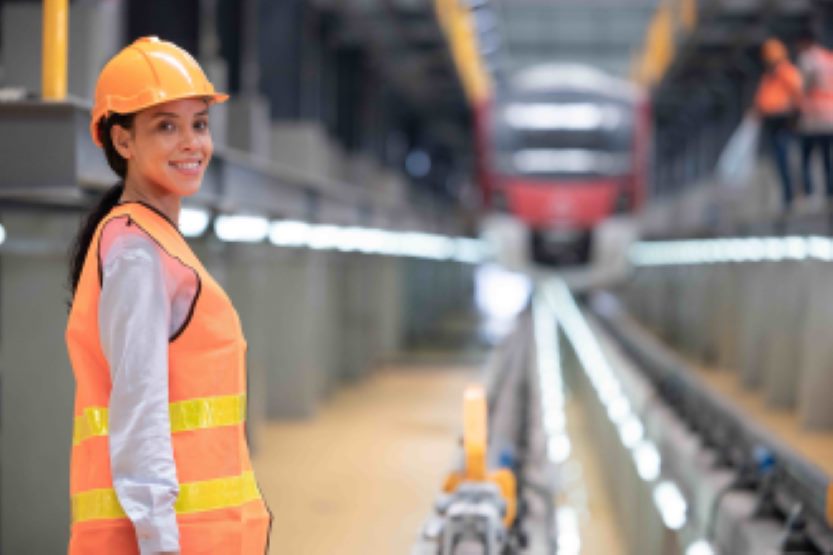
(Image: European Union Agency For Railways)
