
Published on
October 4, 2025
By: Tuhin Sarkar

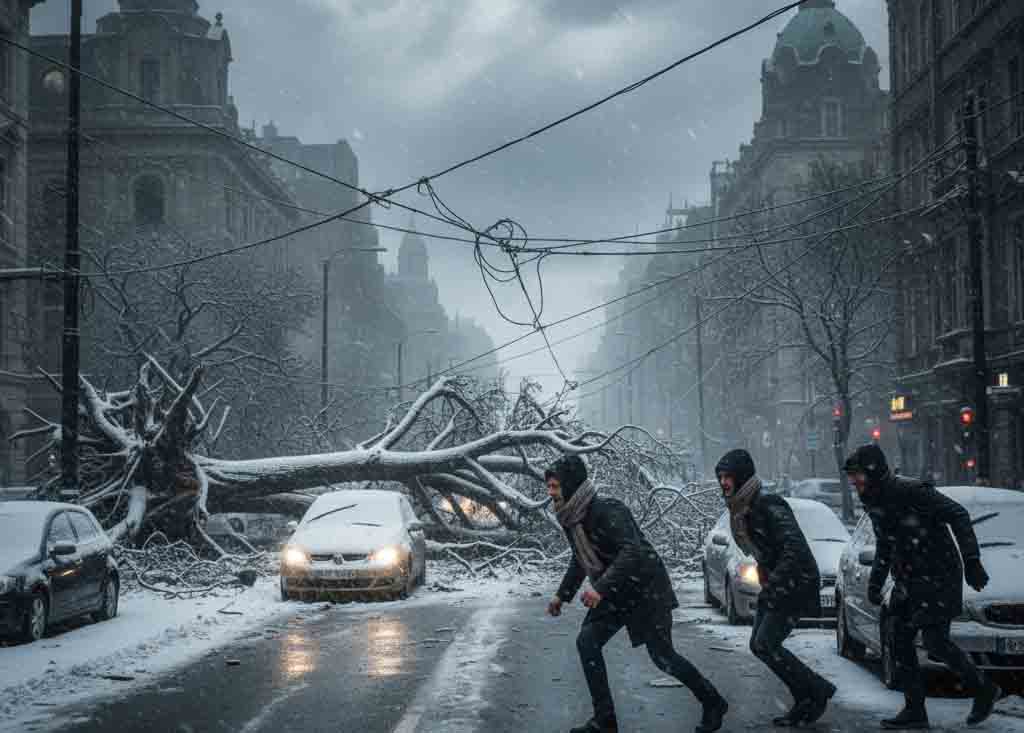
Storm Amy slams into UK, Serbia, Ireland, Bosnia with monster one hundred mph winds with heavy, wet snow, leaving European cities shattered, powerless and on the brink of travel apocalypse. The scale of Storm Amy is immense as Storm Amy slams into UK, Serbia, Ireland, Bosnia with violent gusts, relentless snow, and unstoppable rain.
The monster one hundred mph winds combine with heavy, wet snow to break power lines, topple trees, and leave thousands in darkness. The travel industry is hit hard as Storm Amy slams into UK, Serbia, Ireland, Bosnia, grounding flights, cancelling ferries, and stranding passengers at airports. Roads close, trains halt, and hotels overflow as stranded travellers search for safety.
The monster one hundred mph winds with heavy, wet snow cause chaos not only in rural regions but also across European cities. Powerless communities struggle to cope as Storm Amy slams into UK, Serbia, Ireland, Bosnia, shaking infrastructure and testing emergency response.
For tourism, the damage is enormous as visitors face sudden cancellations and operators scramble to adjust plans. The brink of travel apocalypse is no exaggeration as Storm Amy slams into UK, Serbia, Ireland, Bosnia, with weather unlike anything seen in October for decades.
The monster one hundred mph winds with heavy, wet snow expose the vulnerability of Europe’s travel systems, leaving cities shattered, powerless, and fragile. Yet even in the face of collapse, resilience is clear as communities fight back. Storm Amy is a wake-up call that Europe cannot ignore.
Early Snowfall Sparks Travel Chaos Across the Balkans
Surprise snowfall has struck Europe in early October, blanketing the Western Balkans and causing severe disruptions to power lines, roads and daily life. More than half a metre of heavy snow has already accumulated at higher altitudes, with some regions facing record October levels. In Bosnia and Serbia, thousands of people have been left without electricity as trees and branches collapsed under the weight of snow, damaging power distribution networks. Several municipalities, including Medvedja and Crna Trava, have also lost access to drinking water and phone connections. The abrupt winter weather has triggered emergency measures in many areas, creating fresh challenges for local authorities and for travellers heading to popular mountain destinations.
Impact on Transport and Road Networks
The surprise snowfall has made travel dangerous across mountain roads and rural highways. In Bosnia, several key routes were closed entirely, forcing drivers to find alternative paths or remain stranded. Authorities issued urgent reminders for motorists to switch to winter tyres, which are not legally required until November, adding to the risks. In Serbia, blocked roads and fallen trees slowed emergency crews trying to restore services. For tourism operators, the sudden closures have meant cancelled excursions, disrupted transfers and reduced access to resorts such as Jahorina near Sarajevo, where the ski centre turned white overnight. Visitors caught off guard by the storm arrived in summer clothing, only to face freezing conditions and treacherous journeys.
Tourism and Hospitality Under Pressure
The hospitality sector has been heavily affected by the unexpected snow. Hotels in mountain regions faced both opportunity and difficulty, as visitors extended stays to wait out the storm, but others cancelled bookings. Operators of ski centres like Jahorina reported that tourists were surprised by conditions, unprepared for cold weather and in urgent need of warm clothing and gear. Restaurants and local businesses reliant on weekend visitors experienced reduced traffic as power outages and road closures limited movement. The shock to the tourism industry underlines the volatility that extreme weather creates, and how quickly operators must adapt to protect visitors and keep services running.
Record October Snowfall Linked to Climate Extremes
Meteorologists in the Western Balkans suggested that the snow could reach record October levels, with more than 50 centimetres already covering some areas. Extreme conditions like this are increasingly linked to climate change, with experts noting how unseasonably warm September temperatures, followed by sudden drops, create severe weather. The region had recorded summer highs of more than 40 degrees Celsius only weeks earlier. For the travel industry, this volatility raises urgent questions. Ski resorts may open earlier than planned, but at the cost of operational strain. Conversely, autumn festivals and outdoor attractions are disrupted, limiting revenue for local businesses. Climate unpredictability is now one of the greatest risks facing tourism operators across Europe.
Emergency Response and Local Authority Action
Several municipalities in Serbia have declared emergency measures to deal with the impacts of the snow. Crews were mobilised to repair damaged power lines and clear fallen trees. In Bosnia, local officials prioritised keeping major roads open, while issuing warnings to tourists and residents to avoid non-essential journeys. For travellers, this meant delays, rerouting, or cancellations of trips. Transport companies and tour operators have had to adjust schedules quickly. The loss of electricity, communications and clean water in rural regions added to difficulties, forcing many residents and visitors to depend on emergency supplies. The ability of states to respond quickly is critical not only for safety but also for sustaining tourism confidence.
Storm Amy Brings Winds and Rain to the UK
While the Balkans battled heavy snow, the UK issued urgent warnings for strong winds and rain as Storm Amy swept in from the Atlantic. Scotland and Northern Ireland were placed under yellow weather alerts, with winds expected to reach 100 mph in exposed coastal areas. Schools in Northern Ireland closed early, while ferry sailings from western Scotland were cancelled. Heavy rain was forecast to spread south through England, covering the entire UK with weather warnings into the weekend. Storm Amy, the first named storm of the season, has raised alarm for airlines, rail services and ferry operators. Travel disruption is expected to ripple across the UK, just as the Balkans grapple with the impacts of snow.
Consequences for Airlines and Rail Services
Airlines flying into airports in Scotland and Northern Ireland reported delays and cancellations as strong winds made landings unsafe. Ferry services linking western Scotland to the islands were halted, stranding passengers and freight. Train services in northern England and Scotland braced for delays caused by fallen trees and flooding on tracks. For the travel industry, such storms create immediate costs in rebooking passengers, accommodating delays, and providing customer support. Hotels near airports and ports may benefit from stranded passengers, but the wider economic impact is negative. Travel insurance claims are expected to rise, and industry confidence is tested with every extreme weather event.
Wider Impact on Tourism Confidence
The double hit of snowfall in the Balkans and storms in the UK highlights how vulnerable the tourism industry is to sudden weather events. Travellers planning autumn trips across Europe face growing uncertainty. Cruise lines, coach tours and event organisers all struggle to manage shifting conditions. For destinations that rely on a steady flow of seasonal tourism, early snow or heavy rain can wipe out expected revenue. The growing frequency of extreme weather, combined with its unpredictability, has led to calls for stronger contingency planning. Tourists are now increasingly aware of climate disruption, and their choices of where and when to travel may change in response.
Lessons for the Travel and Tourism Industry
The latest disruptions show that the industry must prepare for unexpected shocks. Tour operators must advise travellers to plan for extreme weather, even out of season. Airlines and hotels must strengthen flexibility in booking systems to allow changes without penalties. Insurance providers must adapt policies to cover new patterns of disruption. Local authorities must invest in infrastructure that can withstand sudden snowfalls and storms. The industry as a whole must also engage in the climate conversation, recognising that sustainability is not only about reducing emissions but about adapting to the realities of changing weather.
Urgent Adaptation Needed in Europe
The surprise snowfall in the Balkans and the powerful Storm Amy in the UK together paint a stark picture of the new reality for Europe’s travel industry. Thousands have been left without power, tourists have been caught off guard, and airlines, ferries and hotels have faced disruption. Both events underline how climate extremes are reshaping tourism. Operators must now be agile, prepared, and proactive in adapting to conditions that can change in a single day. For travellers, flexibility and awareness are more important than ever. For destinations, resilience will decide who thrives in an era of unpredictable weather.
