
Quick Read
- Italy’s largest unions called a nationwide general strike on October 3rd, causing severe disruption to transport, schools, and healthcare.
- The action was sparked by Israel’s interception of the Gaza-bound Global Sumud Flotilla, with over 40 Italians and parliamentarians on board.
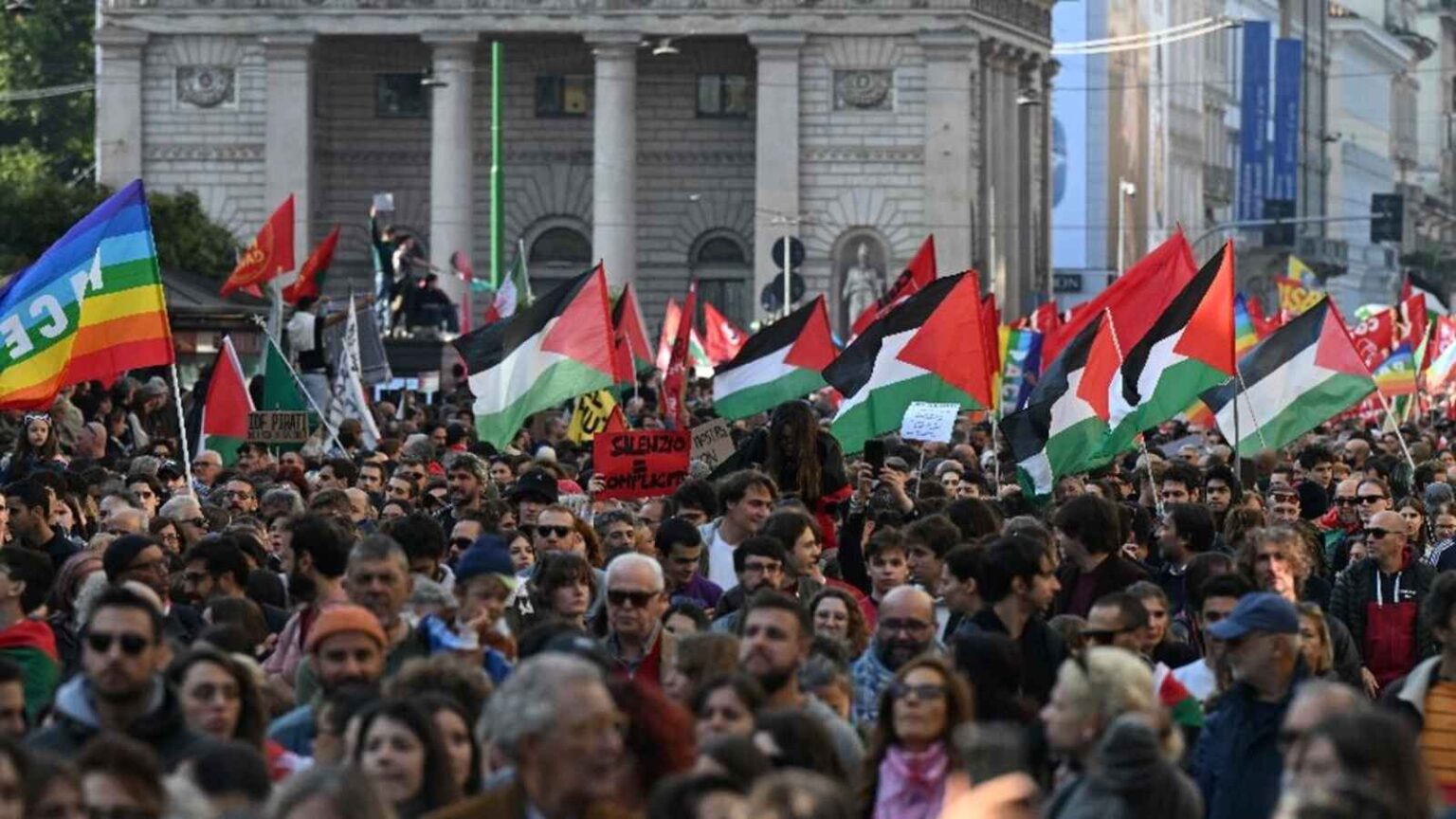
- Major demonstrations took place in Rome, Milan, Bologna, Florence, and Naples; up to 70,000 people joined the Rome rally.
- The government declared the strike unlawful, citing lack of notice, and accused unions of politicizing the incident.
- Further strikes are planned, with 40 actions scheduled before the end of the year.
Italy Grinds to a Halt Amid Mass Strikes and Protests Over Gaza Flotilla
On October 3rd, Italy found itself at the heart of a storm, not of weather, but of collective outrage. From Milan’s bustling Malpensa airport to the historic streets of Rome and the industrial docks of Genoa, the country was swept by a wave of strikes and demonstrations, triggered by the controversial interception of the Global Sumud Flotilla by Israeli forces. The flotilla, carrying dozens of Italian nationals and parliament members, was halted en route to challenge the blockade of Gaza—a region suffering under dire humanitarian conditions as reported by the United Nations.
Transport, Education, and Healthcare Paralyzed
The disruption was immediate and widespread. Italy’s largest unions, CGIL and USB, called for a 24-hour general strike, overlapping with a previously scheduled walkout. The result: hundreds of thousands of workers walked off their jobs. Air, rail, sea, and local transport services ground to a near standstill as the strike gained momentum. Milan’s metro operators warned of day-long interruptions, while national rail providers, Trenitalia and Italo, braced for delays and cancellations stretching into the evening.
Schools closed their doors. Healthcare facilities operated with skeleton staff. Dockworkers in Genoa pledged to block Israeli-linked shipments, threatening closures at one of Europe’s busiest ports. Commercial traffic at Livorno’s port was reported halted, amplifying the sense of paralysis.
For travelers, the implications were stark. Italy’s civil aviation authority, ENAC, reminded passengers that only flights between 7 am and 10 am and 6 pm and 9 pm were guaranteed. Even then, the unpredictability of the situation left many stranded, with Deputy Prime Minister Matteo Salvini warning, “Today, one million Italians will be left stranded on trains alone.”
Cities Mobilize: The Anatomy of Protest
Major urban centers became stages for passionate public expression. In Rome, the epicenter of political dissent, up to 70,000 demonstrators were expected to converge on Piazza dei Cinquecento outside Termini train station, before marching toward the Ministry of Infrastructure and Transportation. The UK Foreign Office issued warnings for travelers, noting additional large-scale rallies planned in Rome for the following day.
Elsewhere, Milan saw crowds waving Palestinian flags and chanting beneath banners demanding freedom for Palestine and an end to the “War Machine.” Flashmobs and marches erupted from Turin and Trento in the north to Bari and Palermo in the south. Local media and television images painted a vivid picture: a sea of people, united in anger and solidarity, flooding city streets and squares.
Among them was Giordano Fioramonti, a 19-year-old university student. “It’s our civic duty to show how angry and unhappy we are with what is happening in the world, with our government, and to show our support for the flotilla, especially for Palestine, for the Gazans who are being killed, tortured and massacred,” he told reporters.
The Political Response: Rhetoric and Recrimination
The Italian government’s reaction was swift and uncompromising. Prime Minister Giorgia Meloni accused unions of exploiting the flotilla incident for political gain. Speaking at a European Union summit in Copenhagen, Meloni dismissed the convoy as “dangerous, irresponsible,” suggesting its real impact was disruption for Italians rather than aid for Palestinians. Her rhetoric struck a chord with some, but for many, it only deepened the divide.
Transport minister Matteo Salvini echoed her sentiments, threatening legal action to block the strike. “We will not allow the CGIL and left-wing extremists to bring chaos to Italy. We will not tolerate any sudden general strike,” he declared.
Meanwhile, Italy’s Strike Guarantee Commission deemed the strike unlawful due to the lack of a legally mandated 10-day notice. Paola Bellocchi, the Commission’s head, cautioned, “It is not just any strike, it has a huge emotional impact and must be handled with care.”
The Foreign Ministry, for its part, confirmed that four Italian parliamentarians detained by Israeli authorities during the flotilla’s interception had been released and were en route back to Rome. According to Foreign Minister Antonio Tajani, 40 Italians were among those detained as Israel intercepted 42 vessels, detaining over 400 activists in total.
Underlying Tensions: The Gaza Flotilla and Italy’s Political Fault Lines
The protests were more than a response to a single incident; they were the manifestation of deeper frustrations with Italy’s foreign policy and its stance on the Israeli-Palestinian conflict. Many Italians, including protesters like Giuliano Ferrucci, a 60-year-old in Rome, accused Meloni’s government of abandoning its citizens and failing to represent the broader will of the Italian public. “You say you are a Christian Italian mother, but you should know that your policies towards Israel offend Christians, mothers, and all Italians who do not feel represented,” Ferrucci asserted.
Meloni’s reluctance to criticize Israel overtly, her alignment with US policy under President Trump, and the government’s perceived indifference to the plight of Palestinians have fueled a wave of dissent in recent weeks. The flotilla incident, with its dramatic images and emotional resonance, became the catalyst for a broader reckoning.
Travel and Daily Life: Navigating Uncertainty
For ordinary Italians and foreign travelers, the immediate concern was practical: how to get from one place to another amid chaos. Road closures and delays near protest sites became the norm. While some essential transport services—especially those linking Sicily, Sardinia, and other islands—remained guaranteed, most travelers were advised to check schedules, anticipate delays, and allow extra time for journeys.
As the dust settled on Friday’s action, it was clear that the unrest was not a one-off event. The Italian transport ministry’s calendar listed 40 planned strikes before year’s end, including walkouts at Rome Fiumicino, Pisa, Florence, and Milan Linate airports later in October. The prospect of continued disruptions loomed large.
International Echoes and the Road Ahead
The Italian demonstrations were part of a wider global movement, with similar actions taking place in cities from Milan and Rome to capitals across Europe. The demand: greater solidarity with Gaza, accountability from governments, and a reevaluation of foreign policy priorities.
As Italy faces the aftermath of one of its most significant nationwide strikes in recent years, the country stands at a crossroads—between the traditions of protest and the demands of governance, between solidarity and disruption.
Italy’s strikes and protests reveal a nation wrestling with its conscience and its political identity. The Gaza flotilla incident was the spark, but the flames have been fanned by deeper frustrations over foreign policy, workers’ rights, and the role of public dissent. As the government and unions clash, the real test will be whether Italy can channel this energy into constructive change—or whether the cycle of disruption and recrimination will persist. Sources: Euronews, France24, AGI.