
Published on
October 4, 2025

Norway joins Brazil, Denmark, Greece, France, Costa Rica, and more as Italy issues a new travel advisory, citing increasing risks related to extreme weather conditions, political unrest, and rising petty crime across these popular destinations. To ensure the safety of its citizens traveling overseas, the Italian government has released updated warnings in response to severe storms, strikes, and growing safety concerns in various regions. The advisory emphasizes the need for increased vigilance and preparation when visiting these countries, warning Italian nationals to stay informed and use caution throughout their travels due to disruptions and safety threats.
In a broadening move to ensure the safety of Italian nationals abroad, the Italian government has issued an updated travel advisory, urging caution across a number of countries, including Norway, Brazil, Denmark, Greece, France, Costa Rica, and others. This advisory comes amid rising risks from extreme weather conditions, political unrest, and concerns over petty crime and security threats. Italian travelers are encouraged to stay informed and take extra precautions in these regions.
Norway: Storms and Heightened Weather Risks
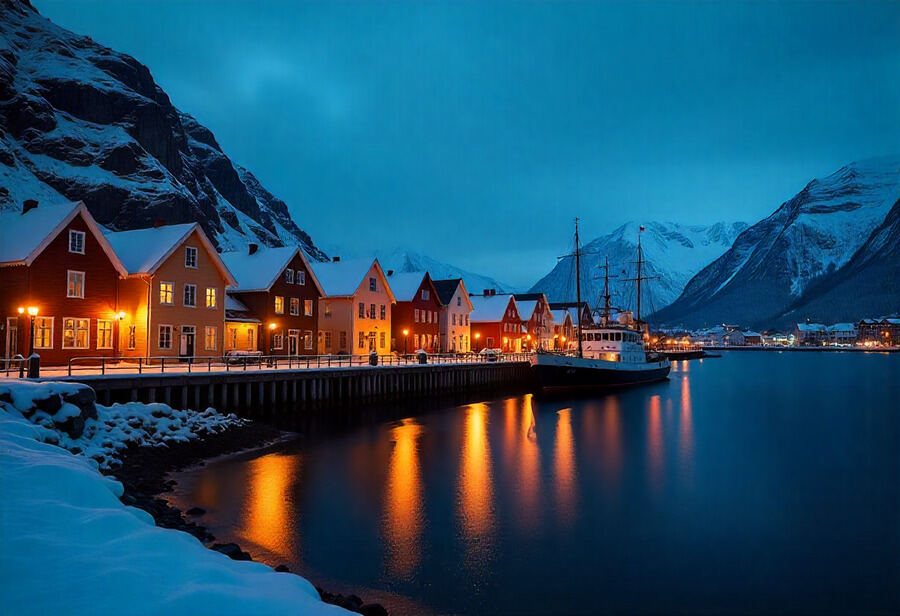
Norway, known for its spectacular fjords and pristine landscapes, is currently experiencing severe weather disruptions due to Storm Amy. The Norwegian authorities have issued a red alert for the southern regions of Vestfold and Telemark, where the storm is expected to cause heavy rainfall and strong winds. Coastal areas, particularly along the Skagerak, are facing potential flooding and landslides that could disrupt road and rail traffic, as well as maritime transport.
As a result of the storm, some night trains along southern routes have been canceled, along with several ferry services operating from Larvik, Sandefjord, and Kristiansand. Travelers are advised to exercise extreme caution in affected areas and closely monitor weather updates. Local authorities have emphasized the importance of checking forecasts through the Varsom website before making any travel plans.
Italian travelers are also reminded that, although Norway is not an EU member, it is part of the Schengen Area, and a valid passport or identity card is required for entry. In addition, travelers visiting the Svalbard archipelago should consult local regulations, as specific entry rules apply due to its unique status outside the Schengen Area.
Norway also remains a generally safe destination, though petty crime can occur in urban areas, especially near major tourist spots. Travelers are advised to remain vigilant, particularly around airports, train stations, and busy tourist attractions.
Brazil: Crime, Protests, and Ongoing Security Risks
Italy’s travel advisory for Brazil highlights ongoing concerns related to high crime rates, particularly in major urban centers like Rio de Janeiro, São Paulo, and Fortaleza. Petty thefts, pickpocketing, and violent muggings are common in crowded tourist areas. While the government has made efforts to improve security, incidents of armed robbery and street crime persist, particularly in the favelas and outskirts of major cities.
In addition to safety concerns, there is the risk of civil unrest in Brazil. Demonstrations and riots are frequent, especially in the lead-up to national holidays or major political events. Violent clashes between rival gangs or between protestors and police can cause significant disruptions to transportation and public services.
Italian travelers are advised to take extra precautions when venturing into public spaces, particularly in downtown areas, near beaches, or in major tourist hubs. They are also urged to avoid traveling to favelas or areas on the outskirts of cities, especially at night, and to use authorized taxis rather than relying on public transport.
Another notable concern for travelers is the prevalence of credit card fraud, including card cloning and ATM skimming. To mitigate this risk, it is recommended that Italian tourists use ATMs located inside bank branches or secure locations, rather than those situated on street corners or in less secure areas.
Denmark: Safety Concerns Amid Rising Crime and Gang Violence
Denmark, while generally a safe country, has seen a rise in gang-related violence and petty crime, particularly in the capital city of Copenhagen. The neighborhoods of Norrebro, Husum, and Bispeparken have experienced an increase in clashes between rival gangs, sometimes involving armed confrontations. Authorities have warned travelers to avoid these areas, especially during nighttime, when criminal activity tends to be higher.
There have also been reports of pickpocketing and muggings targeting tourists, particularly in the bustling areas of Copenhagen. Italian nationals are urged to remain vigilant when traveling through crowded locations, such as train stations, public transportation, and major tourist attractions. Travelers should avoid carrying large amounts of cash or valuables and exercise extra caution in areas popular with tourists.
As of November 12, 2019, Denmark introduced border checks at the border with Sweden, which are still in effect. Travelers should be prepared for random checks on road and rail traffic, especially if crossing the Oresund Bridge or traveling by ferry from Sweden to Denmark.
Greece: Petty Crime and Traffic Accidents on the Rise
Italy’s travel advisory for Greece comes with warnings about increasing petty crime and dangerous traffic conditions, especially on the islands. While Greece remains a popular destination for Italian tourists, certain areas have seen a rise in thefts, particularly in crowded urban areas like Athens, as well as on the metro line connecting the city center to the airport. Pickpocketing is prevalent, especially in popular tourist districts such as Monastiraki Square and the Plaka neighborhood.
The advisory also notes an uptick in traffic accidents, with many caused by reckless driving or the use of rental mopeds and motorcycles. Some accidents have been fatal, particularly in areas with poor road conditions or inexperienced drivers. Italian tourists are advised to exercise extreme caution when using rental vehicles, especially mopeds and quads, and to always wear a helmet.
Authorities have reported several incidents of foreign tourists being involved in road accidents due to speeding or failure to follow local traffic laws. Rental agencies are required to provide helmets, and it is crucial that tourists ensure the condition of their rented vehicle is thoroughly checked before use. Travelers are also advised to consider purchasing comprehensive insurance coverage to avoid financial liability in case of accidents.
France: Strikes, Demonstrations, and Terrorism Threats
France has long been a hotspot for travel advisories, and Italy’s latest warning for this popular tourist destination emphasizes ongoing disruptions caused by strikes and demonstrations. On October 2, 2025, public sector strikes are expected to affect transportation services, including air travel, rail connections, and local transport. Travelers should expect possible delays and cancellations, particularly during the scheduled three-day strike by the Air Traffic Controllers’ Union on October 7, 8, and 9.
The French government has also heightened its security measures in response to the national terrorist threat. Following the tragic events of 2024, France raised its “Vigipirate” alert level to the highest category, “Urgence attentat,” which means extra precautions and surveillance in sensitive areas such as airports, train stations, shopping malls, and major tourist sites.
Tourists are advised to avoid areas where protests or demonstrations are taking place, as they can quickly escalate into violent clashes. French authorities recommend staying updated on the status of transportation and flight schedules to avoid disruptions during strike periods. It is also advised to exercise vigilance in crowded areas, especially during public holidays and anniversaries, when the risk of terrorist activity might be higher.
Costa Rica: Rising Crime, Sexual Assault, and Natural Disasters
Costa Rica, known for its lush rainforests and beautiful beaches, is facing a surge in criminal activity, particularly against tourists. Recent reports have highlighted a dramatic increase in cases of robbery, armed assaults, and fraud. Tourists, particularly Italians, have fallen victim to various forms of crime, including car burglaries, home invasions, and the theft of personal documents.
Additionally, there has been an uptick in cases of sexual assault, especially in tourist-heavy areas on the Caribbean and Pacific coasts. Female travelers are strongly advised to exercise caution, particularly when traveling alone or at night. Local authorities recommend using official transportation and staying in well-populated, secure areas.
Costa Rica is also prone to natural disasters, including tropical storms and earthquakes, with the rainy season (June to November) bringing heavy rainfall and the occasional hurricane. The Italian government advises tourists to stay informed about weather conditions, avoid flooded areas, and ensure they have emergency supplies, including water, medication, and identification documents.
As Costa Rica is also prone to seismic and volcanic activity, tourists are urged to take precautions in areas near active volcanoes and to stay informed of potential tremors or eruptions.
Italian citizens planning to visit Costa Rica should register their travel details with DoveSiamoNelMondo and be aware of the local safety guidelines. Travelers should also avoid isolated beach resorts, particularly on the Pacific Coast, where violent crime has been reported.
Italy’s newly issued travel advisory serves as a reminder that, while international travel offers the opportunity for exploration and adventure, safety must always be a priority. Travelers heading to Norway, Brazil, Denmark, Greece, France, Costa Rica, and other destinations listed in the advisory are encouraged to stay vigilant and informed of local conditions.
Norway joins Brazil, Denmark, Greece, France, Costa Rica, and more as Italy issues a new travel advisory due to rising risks from severe weather, political unrest, and increasing petty crime in these popular destinations. Travelers are urged to stay vigilant and informed for their safety.
By following the outlined guidelines and taking necessary precautions—such as monitoring weather conditions, avoiding high-risk areas, and securing valuables—Italian tourists can ensure a safer, more enjoyable experience abroad. The Italian Ministry of Foreign Affairs also urges all citizens to register their travel details on DoveSiamoNelMondo to receive up-to-date information and support in case of emergencies.
