
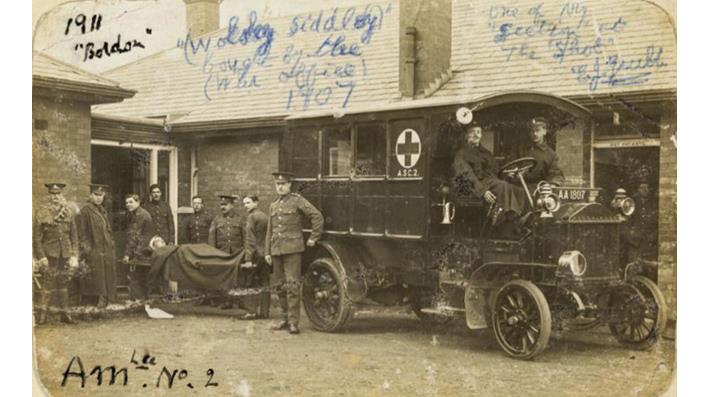

The late Victorian epoch was an age of innovation, empire, and military reform. By the end of the 19th century, Britain understood that an army could not function through infantry, cavalry or artillery alone. It required supporting services logistics, supply, engineering, and, above all, medicine. In recognition of this, the Royal Army Medical Corps (RAMC) was founded in 1898, bringing together the Army’s scattered medical services into a single, professional unit.
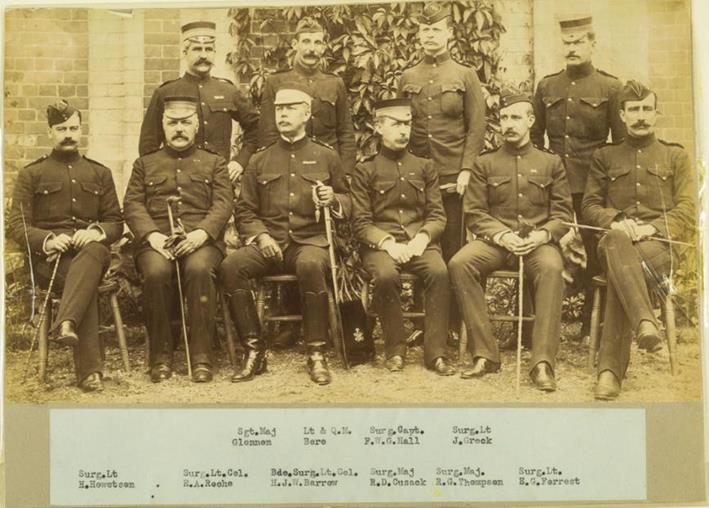
From the start, the RAMC accompanied the British Army wherever the Empire held sway. During the Second Boer War in South Africa (1899-1902), its officers confronted not only battlefield wounds but also epidemics of typhoid and dysentery that devastated troops. Here, medical organisation and rapid treatment proved as crucial to survival as rifles or artillery.
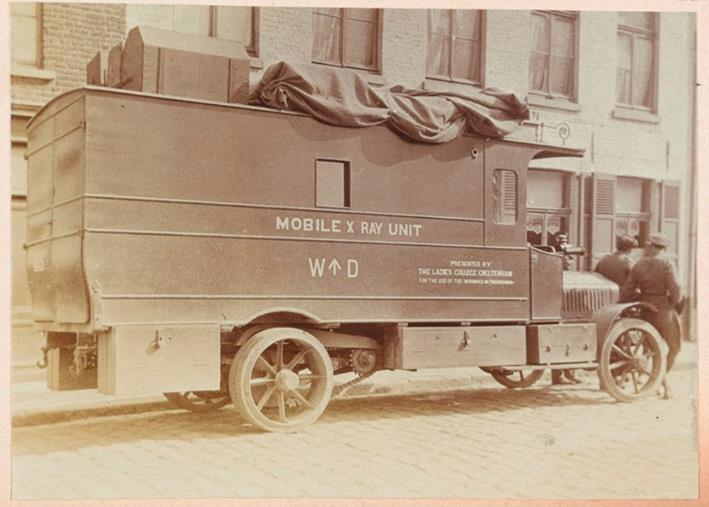
Among those who served were Maltese-born officers, reflecting the island’s long tradition of military medicine. Posted across the Empire, they represented both local expertise and imperial service. In British India, RAMC officers from Malta were among the first to adopt skiagraphy (X-ray imaging) in the field. This innovation transformed military surgery, allowing for the accurate detection of fractures, gunshot wounds, and internal injuries. Though not its inventors, these men were recognised as pioneers in applying the new science to battlefield conditions, saving countless lives and hastening recovery.
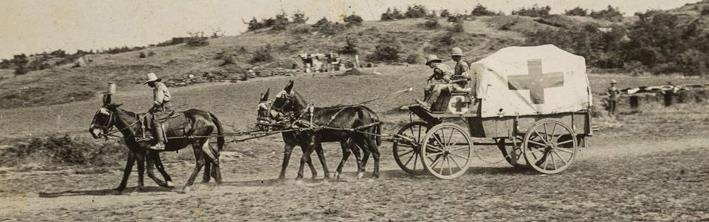
Their service continued into the First World War, where Maltese-born doctors of the RAMC joined the original British Expeditionary Force in France and later held senior positions in medical organisation. Decorated for bravery and dedication, they exemplified the Corps’ ethos: that the healing of the wounded was as vital to victory as firepower.
The story of these officers highlights how Malta’s medical tradition found renewed expression within the RAMC, ensuring that innovation and compassion stood at the heart of the British Army’s strength.
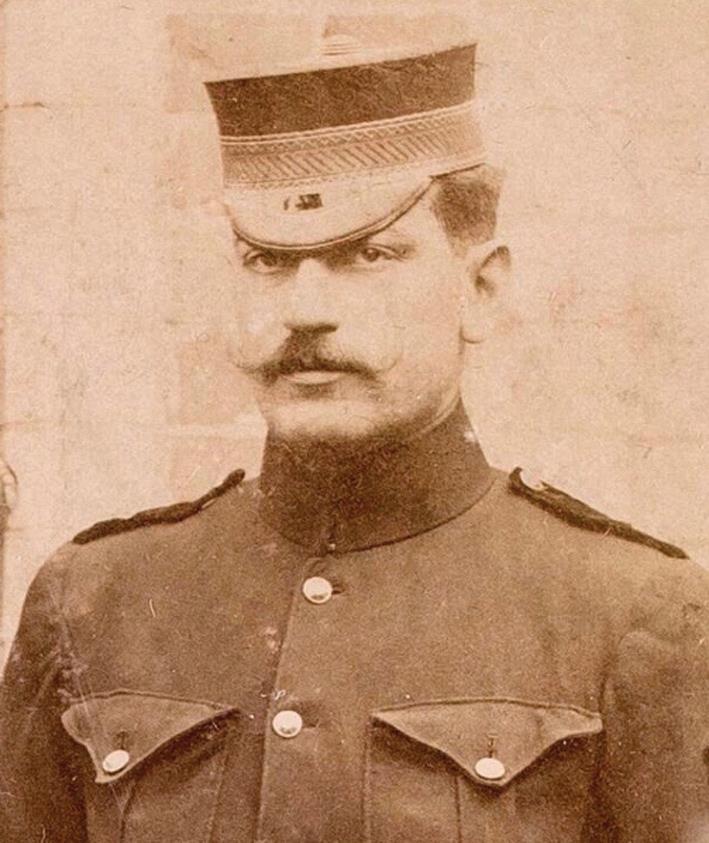
Lt, Col. John Grech, DSO (1871-1948)
From field dressings to radiology: The evolution of military medicine
Colonel John Grech was a Maltese-born officer of the RAMC, born on 22 April 1871. He pursued his medical education at St Mary’s Hospital, Paddington, London, qualifying as MRCS and LRCP in 1893. He was commissioned into the Army Medical Department on 29 July 1895, and progressed through the ranks: Captain (1898), Major (1907) and Lieutenant Colonel (1915).
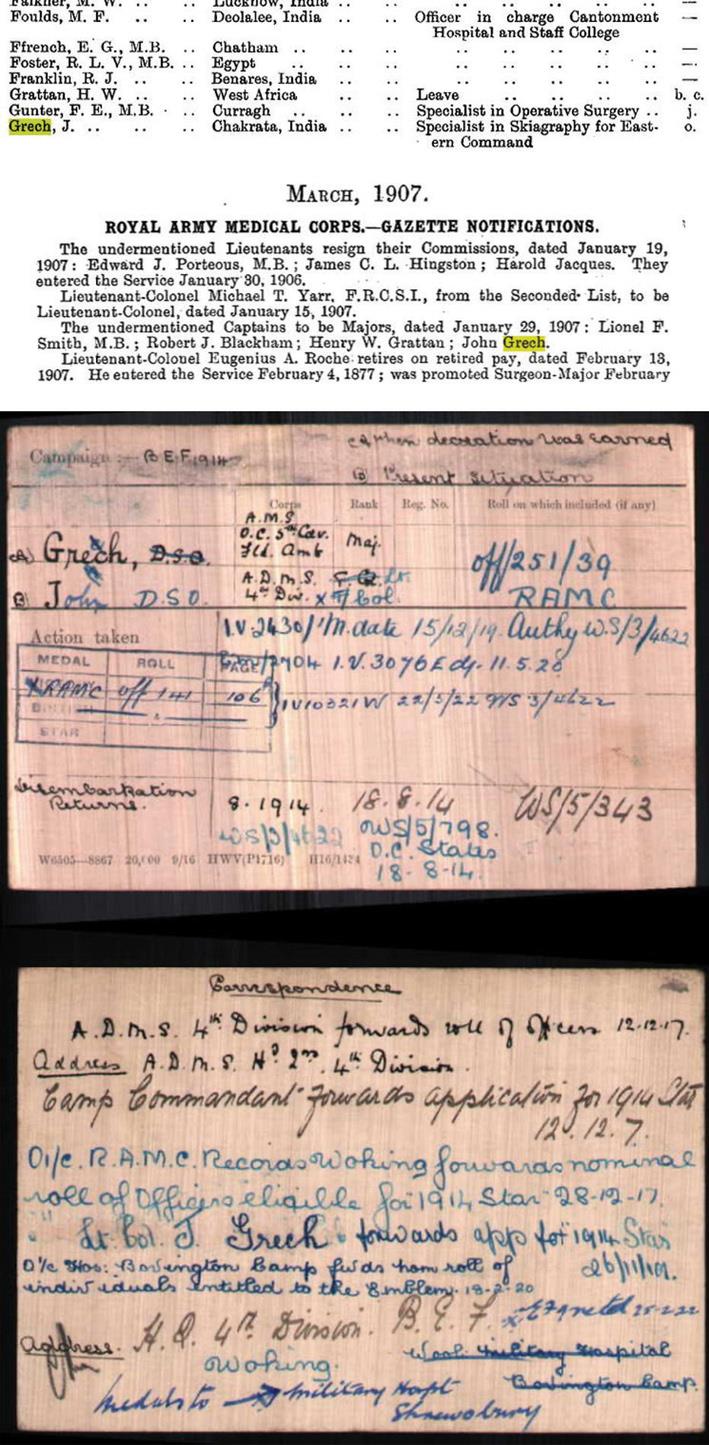
Grech first served in the Second Boer War (1899-1902) in South Africa, participating in operations in the Orange Free State and Transvaal, where the RAMC faced battlefield injuries and epidemics. This early experience established his reputation for competence under challenging conditions.
In the early 20th century, while posted to British India with the Eastern Command, Colonel John Grech became one of the first field medical officers recognised for using skiagraphy radiology (early X-ray imaging) in military practice. He was stationed in Dinapore and later Chakrata India, where he applied this new technology to enhance the diagnosis and treatment of fractures, gunshot shrapnel and internal injuries. His work significantly improved surgical outcomes and soldier recovery, establishing a model for modern battlefield medicine.
During World War I, he served as Commanding Officer of the 5th Cavalry Field Ambulance and later as assistant director of Medical Services with the 4th Division, deploying with the original British Expeditionary Force in August 1914.
Colonel Grech’s career exemplifies the combination of medical expertise, innovation, and leadership, reflecting the vital role of Maltese-born officers in the RAMC and the evolution of military medicine across the British Empire. For his distinguished service, he was awarded the Distinguished Service Order (DSO), the 1914 Star, the British War Medal, the Victory Medal, and a Mention in Despatches. He was also appointed in the 1916 Birthday Honours. Notably, he became the first Maltese officer in the RAMC to be awarded the DSO during the First World War, marking a historic recognition of both his personal achievements and the broader contribution of Maltese-born medical officers to the British Army.
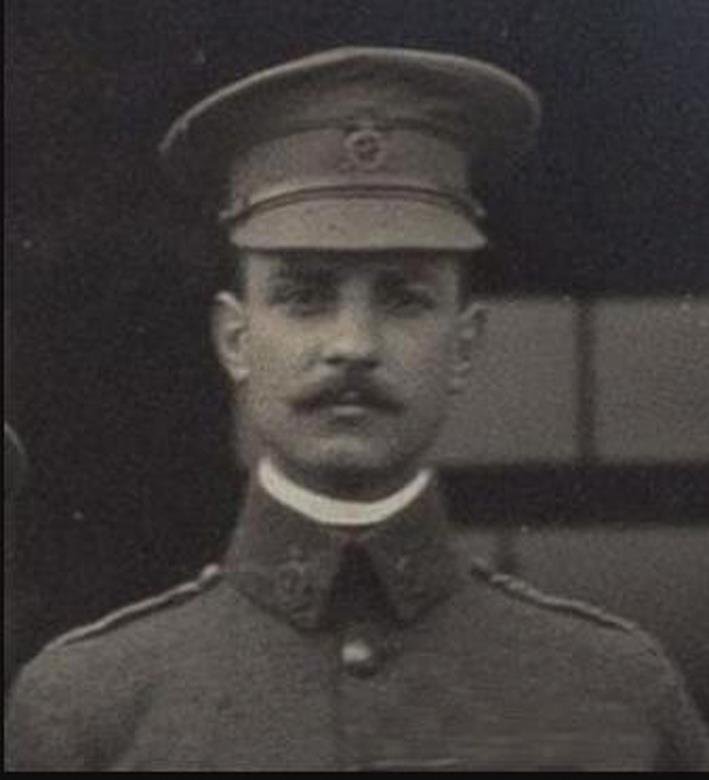
Colonel Benjamin Howard Vella Dunbar DSO MD (1878-1965)
Another Maltese officer who served in the Royal Army Medical Corps was Colonel Benjamin Howard Vella Dunbar, who, alongside other distinguished medical officers, dedicated his career to saving lives and supporting soldiers across numerous campaigns.
Born in Malta in 1878, Vella Dunbar pursued medicine at the University of Malta. In 1901, Maltese medical degrees were recognised by the General Medical Council, opening the door for him to join the RAMC. On 31 January 1903, he was commissioned Lieutenant, simultaneously with Joseph Gatt, becoming one of the first Maltese officers in the Corps. That same year, he married Helen Maud England, beginning a family that would accompany him through a remarkable military career.
Vella Dunbar’s early service took him to far-flung corners of the British Empire: India (1904-1908) and Aden (1908-1909). Promoted Captain in 1906, he returned to Britain for postings in York, Leeds, and Richmond, attending the Royal Army Medical College in 1911.
The First World War brought both danger and distinction. Wounded in Northern France, he was promoted Major in October 1914 and placed in command of No. 110 Field Ambulance. Holding the temporary rank of Lieutenant Colonel, he led his men with courage and skill. His dedication earned mention in despatches from Sir Douglas Haig in 1917 and the Distinguished Service Order (DSO) the same year. Later, he served in Italy as senior medical officer with British Heavy Artillery and commanded Red Cross and casualty clearing hospitals in France.
After the war, Vella Dunbar continued to serve across the Empire, including India and with the British Army of the Rhine. Promoted Colonel in 1930, he commanded British Military Hospitals in Calcutta and Quetta and served as assistant director of Medical Services for the Home Counties. Re-employed during the Second World War, he served as ADMS in West Lancashire until he retired on the 17 June 1942.
Colonel Vella Dunbar’s life was a testament to Maltese talent and resilience. From the classrooms of Malta to the battlefields of Europe, and from colonial hospitals to the upper echelons of the Royal Army Medical Corps, he combined medical expertise with leadership, leaving a legacy of service and courage. In his later civilian life, Colonel Vella Dunbar passed away on 18 November 1965 in Yateley, Hampshire.
War beyond the glory
As the old saying went, the sun never set on the British Empire, and Maltese officers were present wherever its armies marched. From the heat of Bombay and Aden to the mud of France and the frozen Alpine fronts of Italy, men like Colonel John Grech and Colonel Vella Dunbar DSO carried Malta’s name with distinction. They fought not with bayonets, but with medicine, battling bullets, shrapnel wounds, fevers, and tropical diseases that silently decimated battalions. From simple stretchers to wagons and motorised ambulances, from crude bandages to the new science of radiology and medicines, they stood at the frontier of healing.
Vella Dunbar himself was wounded in France, yet returned to duty, commanding field ambulances and casualty clearing stations with tireless resolve. Mentioned in Sir Douglas Haig’s despatches and decorated with the Distinguished Service Order, he rose to the rank of Colonel, serving in far-flung garrisons and Europe’s battlefields. Their legacy endures: Malta’s sons proved that courage could be measured not only in combat, but in saving lives.
Sources:RAMC Museum online depository; Illustrated London Gazettes; The National Archives, Kew; Imperial War Museum online archives; Royal Army Medical Corps Gazette notifications