
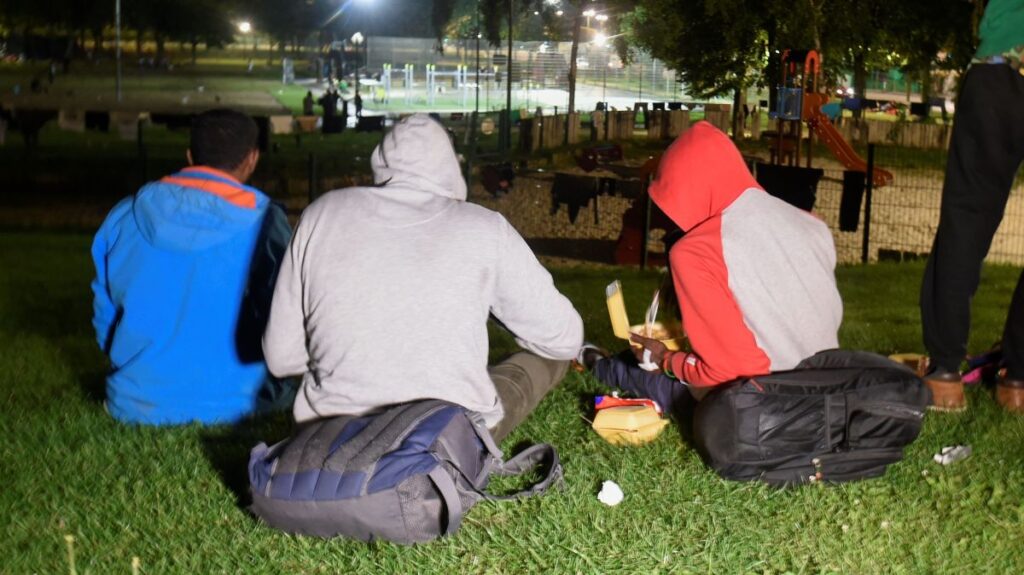
Belgium is looking beyond the European Union’s borders to house foreign criminals that are also illegal migrants, who account for a third of all prisoners in the country’s overcrowded jails.
Among a prison population of 13,000, which has led to severe overcrowding in Belgian jails, 4,400 are non-EU nationals who had no right of residency when they committed their crimes.
To ease the strain, the government has opened talks with Albania and Kosovo to rent and build a prison in one of the two countries to house foreign prisoners who are irregular migrants outside the EU but in a country that is a “European constitutional state”.
“Anyone staying illegally in our country and choosing to commit crime must leave, either to their country of origin or to a prison outside Belgium,” said Anneleen Van Bossuyt, the migration minister, before talks in Pristina and Tirana over the next two days. “This way, we protect our safety and reduce the pressure on our prisons and society.”
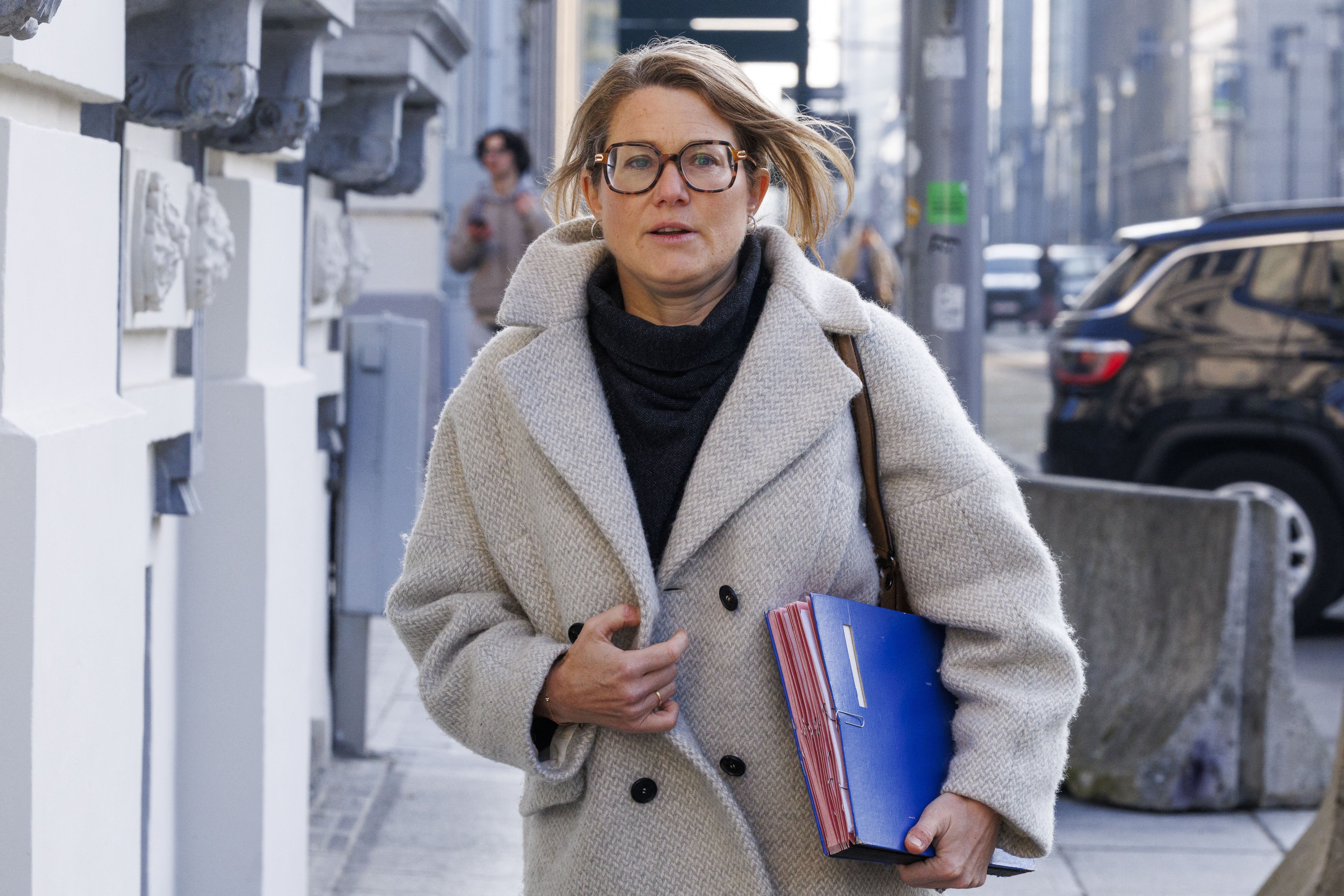
Anneleen Van Bossuyt
NICOLAS MAETERLINCK/BELGA/AFP/GETTY IMAGES
By holding prisoners outside the EU, they would be unable to return to Belgium after their sentences if the agreement were modelled on an existing deal between Denmark and Kosovo that will lead to prisoners being transferred from 2027. Denmark will pay slightly more than €200 million over ten years, six times the annual budget of Kosovo’s ministry of justice, for 300 prison places.
“Belgium is struggling with structural prison overcrowding. One of the options the government is exploring is renting or building a prison abroad for undocumented criminals,” said Annelies Verlinden, the Belgian justice minister, who is taking part in this week’s talks.
Of the foreign nationals who are illegal migrants, 253 are Albanians with no right of residence in Belgium. Brussels hopes they could be first to be sent back to their home country.
• EU wants UN backing for Rwanda-style migrant ‘return hubs’
At the same time, Belgium wants to reach a deal on the restitution of criminal proceeds. Hundreds of millions have been seized by the authorities in Albania and Kosovo, boosting their national treasuries, after Belgian crime investigations.
A number of European countries are seeking to find non-EU governments willing to host foreign criminals or failed asylum seekers in “return hubs” before deportation.
In Belgium the percentage of jailed foreign citizens without residency status is more than twice the figure for non-British citizens in English and Welsh prisons.
German prisons are almost half filled — 49 per cent — with foreign citizens but no official figures are kept of their residency or immigration status.