
Published on
October 8, 2025

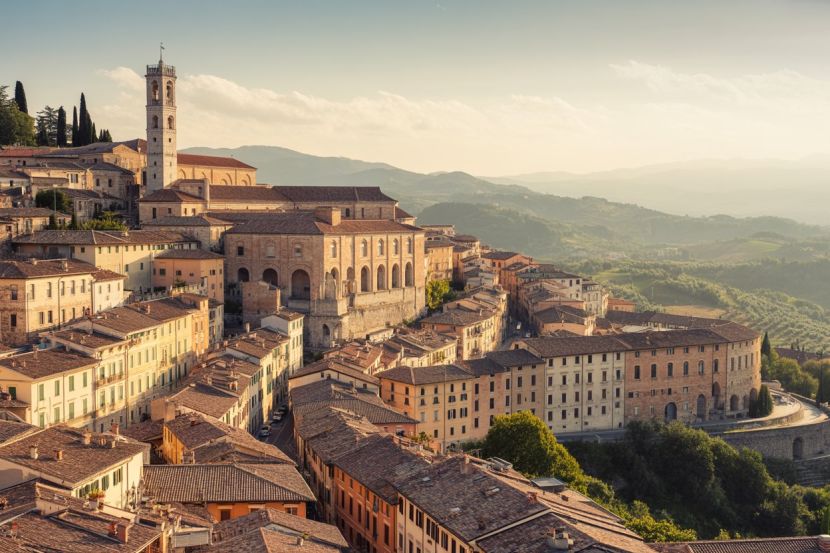
L’Aquila, perched in the heart of Italy’s Abruzzo region, is a city that boasts a fascinating blend of history, culture, and natural beauty. Known for its resilient spirit and stunning landscapes, L’Aquila has long been an underappreciated destination. However, with its recent recognition as Italy’s Capital of Culture for 2026, the city is rapidly gaining attention from travelers looking for a culturally rich experience away from the typical tourist crowds.
Exploring the Resilience and History of L’Aquila
The history of L’Aquila is both tumultuous and inspiring. Founded by Emperor Frederick II in the 13th century, the city emerged from the union of several villages, and its name, “L’Aquila,” meaning “eagle,” perfectly captures its lofty perch in the Apennine Mountains. Over the centuries, L’Aquila has endured invasions, plagues, and wars. The most devastating event occurred in 2009 when a massive earthquake struck, causing extensive damage and taking hundreds of lives.
Despite these tragedies, L’Aquila’s story is one of renewal. The city has been rebuilding steadily since the quake, with many of its historic landmarks being restored, including the Forte Spagnolo and the L’Aquila Cathedral. These efforts were recognized with the city’s recent designation as Capital of Culture, a title that promises to bring further cultural investments and projects.
A Journey Through L’Aquila’s Rich Cultural Landscape
L’Aquila’s culture is deeply rooted in its medieval past, with stunning examples of Romanesque, Renaissance, and Baroque architecture scattered throughout the city. Walking through the narrow streets lined with historical buildings and churches is like stepping back in time.
For those interested in religious history, L’Aquila is home to several iconic churches. The Santa Maria di Collemaggio is perhaps the most famous, with its distinctive pink and white Romanesque façade. This church is also the final resting place of Pope Celestine V, who resigned the papacy in 1294, making it a significant pilgrimage site.
Modern Culture and Art in L’Aquila
While L’Aquila’s history is a major draw, the city is also home to a thriving modern cultural scene. The MAXXI Art Gallery, an outpost of the national museum in Rome, houses contemporary art exhibitions that often feature local and international artists. The gallery is housed in a beautifully restored Baroque building, blending modern and classical architecture in a way that mirrors the city’s own transformation.
L’Aquila is also home to several cultural institutions, such as a symphony orchestra, a fine arts academy, and a repertory theatre. The Teatro Stabile d’Abruzzo is one of the region’s most prominent cultural venues, regularly hosting performances, films, and festivals. The city’s commitment to preserving its artistic heritage while embracing contemporary culture is a testament to its dynamic, evolving identity.
Ski Resorts and Nature Adventures Around L’Aquila
Beyond its cultural attractions, L’Aquila offers easy access to some of Italy’s most scenic natural landscapes. The surrounding Gran Sasso National Park is perfect for outdoor enthusiasts, offering activities like hiking, skiing, and wildlife spotting. The park is home to Corno Grande, the tallest peak in the Apennines, and offers panoramic views of the mountainous landscape. The park is also known for its diverse flora and fauna, including the endangered Marsican bear.
The nearby ski resorts, including Campo Imperatore, Ovindoli, and Roccaraso, are popular destinations for winter sports lovers. These resorts provide excellent skiing and snowboarding opportunities, making L’Aquila an ideal year-round destination. In the summer, the region is perfect for hiking, with numerous trails that offer stunning views of the mountains and valleys.
L’Aquila’s Vibrant Food and Wine Scene
No trip to L’Aquila is complete without sampling its distinctive cuisine. Known for its hearty mountain dishes, the region is famous for arrosticini, skewers of lamb grilled over an open flame. Pair this with a glass of Montepulciano d’Abruzzo, a robust red wine that captures the essence of the region’s terroir.
The culinary scene in L’Aquila has been evolving, with many restaurants combining traditional Abruzzese flavors with modern twists. Whether you’re enjoying a rustic meal in a traditional trattoria or dining in a sleek modern bistro, the city offers a range of options for food lovers. For an authentic experience, travelers should also try virtù, a hearty soup made with a variety of beans, vegetables, and pasta, a dish that reflects the region’s agricultural heritage.
How to Reach L’Aquila
L’Aquila is well connected to other parts of Italy, despite not having its own airport. The nearest airport is in Pescara, about a two-hour drive from the city. From there, visitors can take a scenic train ride through the hills of Abruzzo, arriving in the heart of the city surrounded by breathtaking landscapes. For those traveling by car, the journey offers an opportunity to explore some of the charming villages that dot the countryside.
Once in L’Aquila, visitors can easily navigate the city’s compact historic center, where most of the major attractions are located within walking distance. The city’s charming streets, piazzas, and local shops make it an enjoyable destination for those who love to wander and explore at their own pace.
The Future of L’Aquila: A Cultural and Tourism Hub
With its blend of rich history, beautiful natural surroundings, and vibrant cultural scene, L’Aquila is quickly becoming one of Italy’s most appealing tourism destinations. As it prepares for its year as Italy’s Capital of Culture, the city is undergoing a cultural renaissance that promises even more exciting events, exhibitions, and projects. For travelers looking for a destination that combines history, culture, and nature in a quiet, unspoiled setting, L’Aquila is a hidden gem waiting to be explored.
Image Source: AI
