
Published on
October 10, 2025

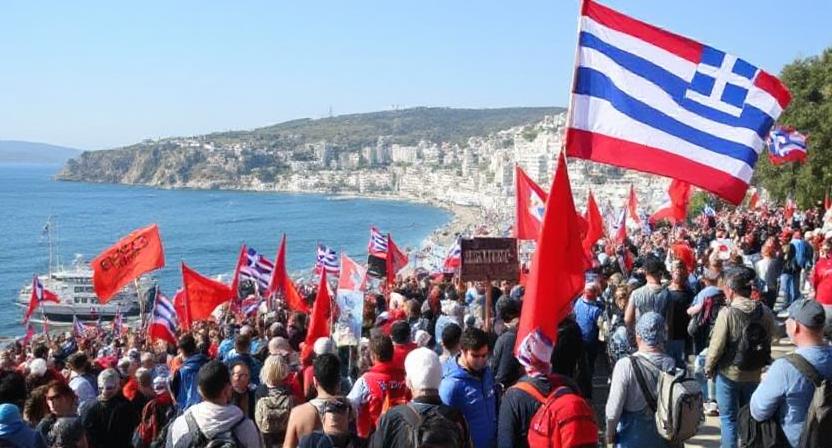
Greece will have widespread disruptions in ferry, cruise, and public transport services on October 14, 2025, as part of a 24-hour nationwide strike that has been called by unions around the country. The strike from 00:01 to 23:59 is a demonstration against suggested labor reforms that would see longer working hours. Tourism and transportation services will be significantly impacted, particularly in major cities such as Athens and also in tourist hotspots such as the Greek islands.
Tourism Impact: Disruptions to Travel Plans for Tourists
For tourists visiting Greece during this period, the strike will likely lead to delays and cancellations of train services, ferry routes, and local public transport. The strike will impact international visitors, particularly those who rely on public transportation for getting to and from airports, hotels, and tourist attractions. Domestic travelers and tour groups may also experience disruptions to their travel plans.
Airports in Athens and other major cities could see delays in services such as check-in, security checks, and ground handling, as airport workers may be involved in the strike. Additionally, ferry disruptions in Attica, including Piraeus, Lavrio, and Rafina, will affect Greek islands like Santorini, Mykonos, and Crete, creating further barriers to reaching tourist hotspots. Travelers heading to Greek islands for leisure or business may have to adjust their itinerary due to these disruptions.
Limited Public Transport and Train Services in Athens
In Athens, metro, tram, and electric trains (ISAP) will operate with a limited service between 09:00 and 17:00, making it crucial for tourists to adjust their schedules accordingly. During the early morning and late evening, there will be no metro or tram services, which could cause significant inconvenience for visitors traveling to tourist sites or restaurants. The lack of public transport may cause tourists to seek alternative methods of transport, such as taxis, ride-sharing services, or private transfers, all of which could be in high demand.
Ferry and Cruise Services Disruption: Impact on Greek Islands and Maritime Tourism
The ferry and cruise sectors will also face major disruptions as seamen’s unions participate in the strike, affecting all ship departures from Piraeus, Lavrio, and Rafina ports. This disruption will impact both tourists and local commuters, particularly in tourism-driven regions such as Santorini, Mykonos, and the Cycladic islands.
For cruise passengers, this could result in delays or cancellations of cruise ship departures, affecting itinerary schedules. Tugboats, essential for the mooring and departure maneuvers of cruise ships and cargo vessels, will also be impacted, leading to potential disruptions in marine tourism and the cruise industry. Travelers planning to visit the Greek islands by ferry or cruise ship during the strike period are advised to check with their operators for any last-minute changes.
Preparing for the Impact: What Tourists Need to Know
Travelers heading to Greece during the strike are strongly advised to check for updates with their tour operators, airlines, and transport providers. Early planning and flexibility will be essential to ensure that trip disruptions are minimized. Visitors should allow extra time for travel, especially when using public transport, and consider alternative transportation if their planned route is affected by the strike.
For tour groups and travel agencies, contingency plans should be in place to accommodate delays, particularly when traveling to and from airports or ferry terminals. If transport services are canceled, tourists may need to reschedule or reorganize their plans to avoid missing out on key activities or tourist experiences.
The Economic Impact of the Strike on Greece’s Tourism Sector
While the strike poses short-term disruptions, it also draws attention to the vital role of labor stability in the tourism sector. Tourism is one of Greece’s key economic drivers, and any disruption to essential services like public transport and ferry services can negatively impact the country’s tourism economy. The loss of revenue due to cancellations, reduced bookings, and unmet travel demand could affect local businesses, including hotels, restaurants, retailers, and tour operators who rely heavily on international tourist spending.
The Greek government, along with tourism stakeholders, may need to implement emergency measures in the future to mitigate the effects of labor strikes and ensure tourist services are not interrupted. This is especially important for high-traffic tourism periods like the summer season and national holidays, when tourism revenue is at its peak.
Looking Ahead: Strengthening Greece’s Tourism Infrastructure for Future Growth
To ensure that future tourism events and seasons are less susceptible to such disruptions, Greece will need to invest in its tourism infrastructure. This includes improving public transport systems, increasing ferry capacity, and ensuring that the tourism workforce is well-prepared to meet the demands of a growing tourism industry. Upgrading services, such as airport operations, ferry terminals, and train stations, will help facilitate smoother travel experiences for international tourists.
Moreover, Greece’s tourism industry will benefit from fostering collaboration between labor unions, government authorities, and private sector businesses. Tourism recovery will depend on building a robust and efficient infrastructure that supports sustainability, accessibility, and tourist satisfaction.
Navigating Travel Disruptions in Greece’s Tourism Landscape
The 24-hour October 14, 2025, strike will present challenges to tourism activities in Greece, especially in transportation and ferry operations. Tourists to Athens and the Greek islands are advised to remain updated and make prior arrangements to cushion against disruptions. Whereas public transport and ferry timetables can become subject to alterations, visitors can still appreciate Greece’s natural beauty, beaches, and culture with some accommodation. As Greece prepares to future-proof its tourism industry, the sector will become even more resilient and develop towards sustained growth despite the series of challenges facing the nation.
