Claire Parsons’ face is burning. It’s the sole bit of skin exposed to the morning’s snow and wind, which have been lashing at her relentlessly since she began her trek at the University of Colorado Mountain Research Station earlier that morning. Her fingers ache with the cold. Her back strains from the gear she’s packed in—snowshoes, a measuring probe, her computer, and, most importantly, her shovel. She’s got plenty of the steep, 1.5-mile hike to her research site yet to go, so to lessen the oncoming wind on her reddened cheeks, she pivots and hikes the remainder of the way backwards. Turning around, she can manage because turning back is not an option.
Parsons is a geography and environmental sciences master’s student at CU Denver and will graduate this December. Her thesis project is a study funded by the National Science Foundation (NSF) to better understand how changing snowfall, which could diminish or start later in the season in the coming years due to climate change, will impact subalpine ecosystems.
More specifically, she’s examining how the common yarrow and wild strawberry plants between 9,000 and 10,000 feet in Colorado’s Rocky Mountains respond to the levels of snow predicted under possible future climate scenarios, as well as the overall changes to the number and types of plants that grow in the plots of subalpine forest floor she studies. “That can also be helpful for [understanding] other things moving forward in other states and other places,” Parsons said. “Those changes impact a variety of things, like animals, air quality, longevity of an ecosystem, society, plants, water.”
For Parsons, each little change in an ecosystem is like a domino—one affects another, and another, and another. “Without understanding what those dominoes look like, how are we to plan accordingly?” she said.
A Multi-Year Commitment
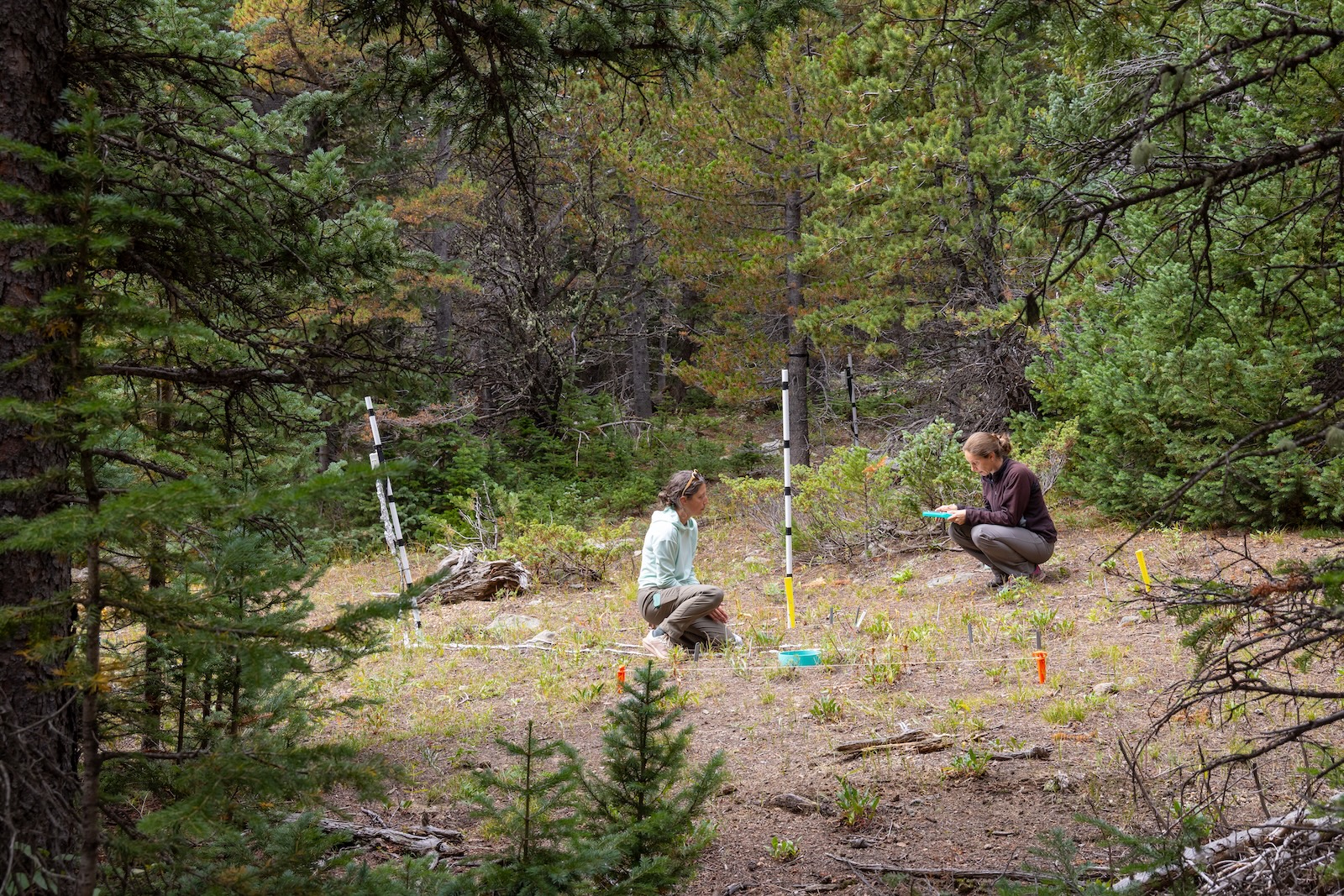
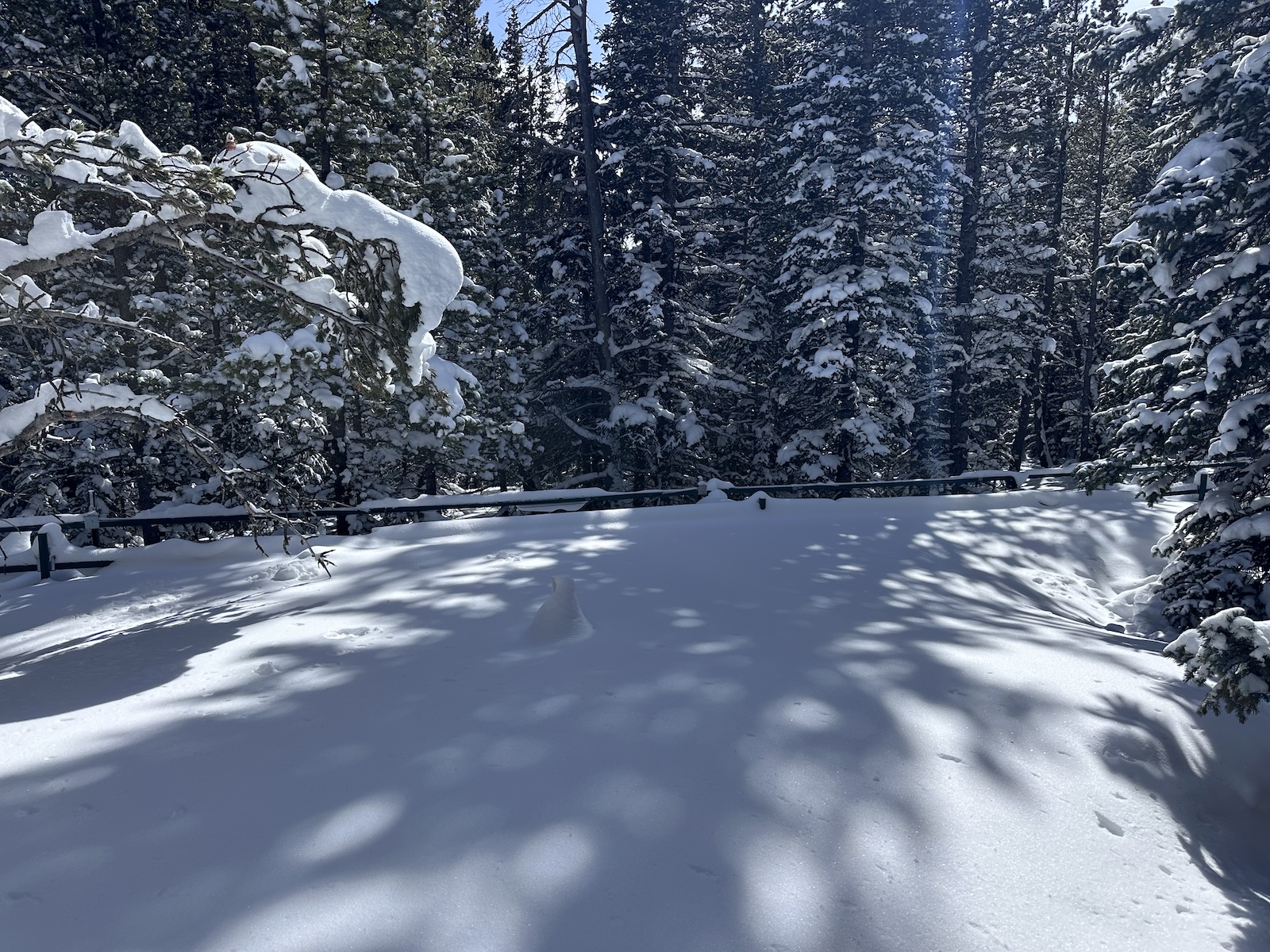
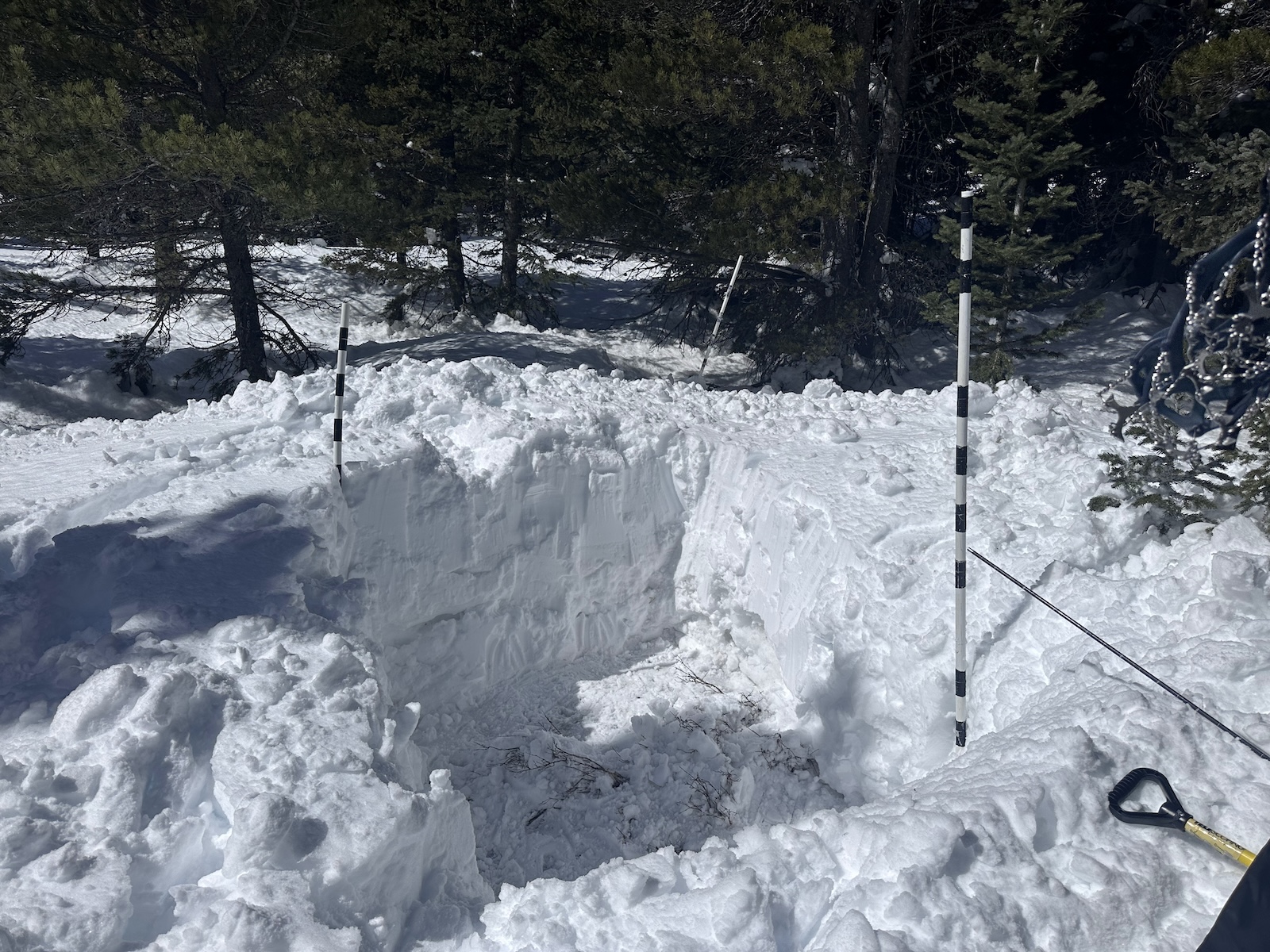
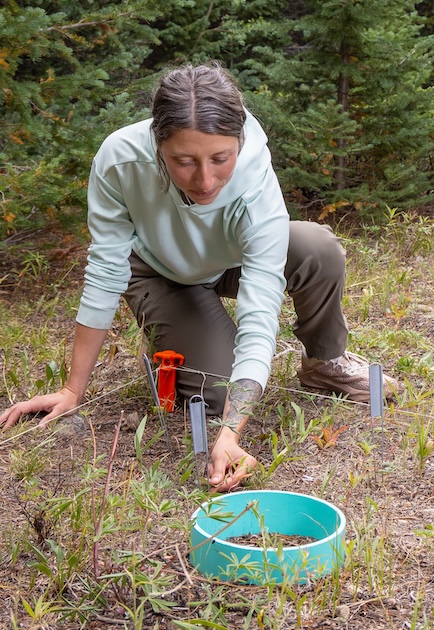
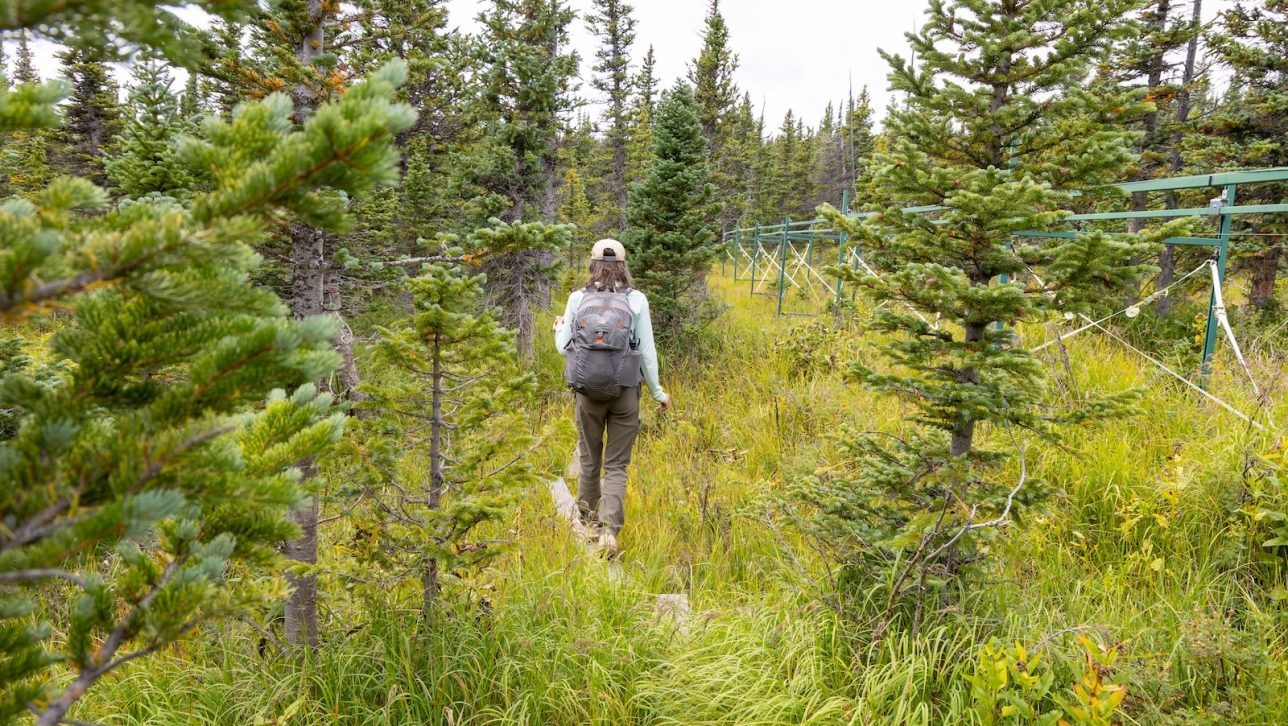
Beginning to understand these changes takes time. So, Parsons designed a two-and-a-half-year manipulation experiment to begin assessing how changes in snowfall during the winter could impact the way these plants bud, bloom, grow, and die off in the following seasons. On nine, two-by-two-meter plots of forest floor, Parsons has meticulously shoveled snow for the past two winters to specific heights that simulate projected snowfall in the coming years.
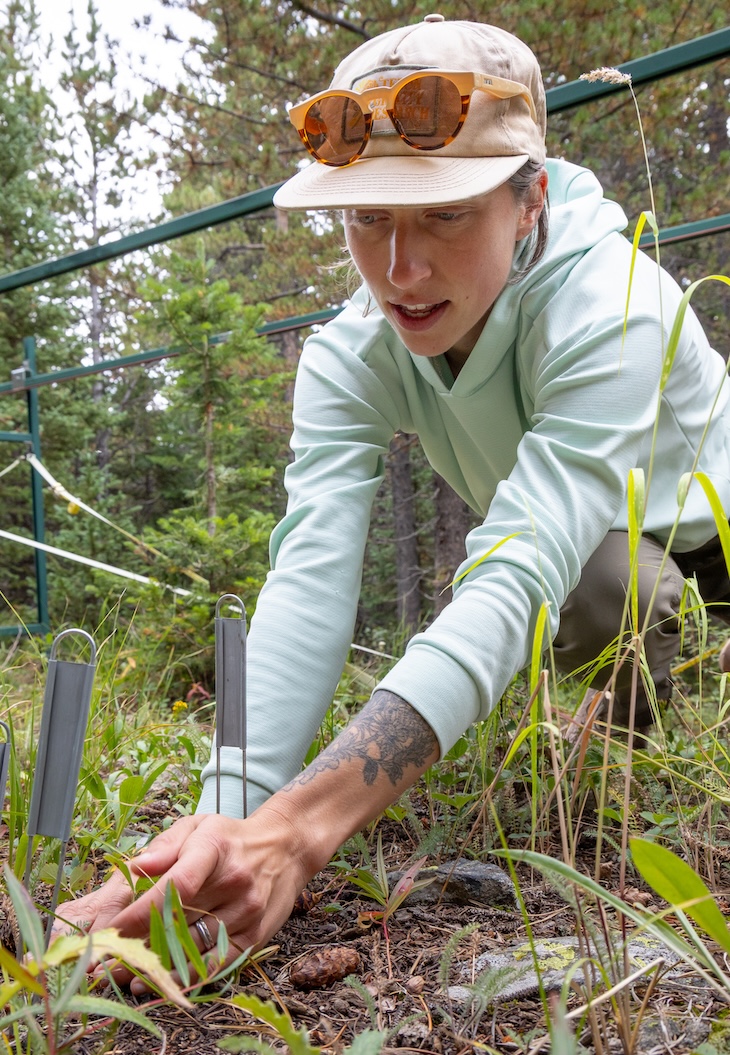
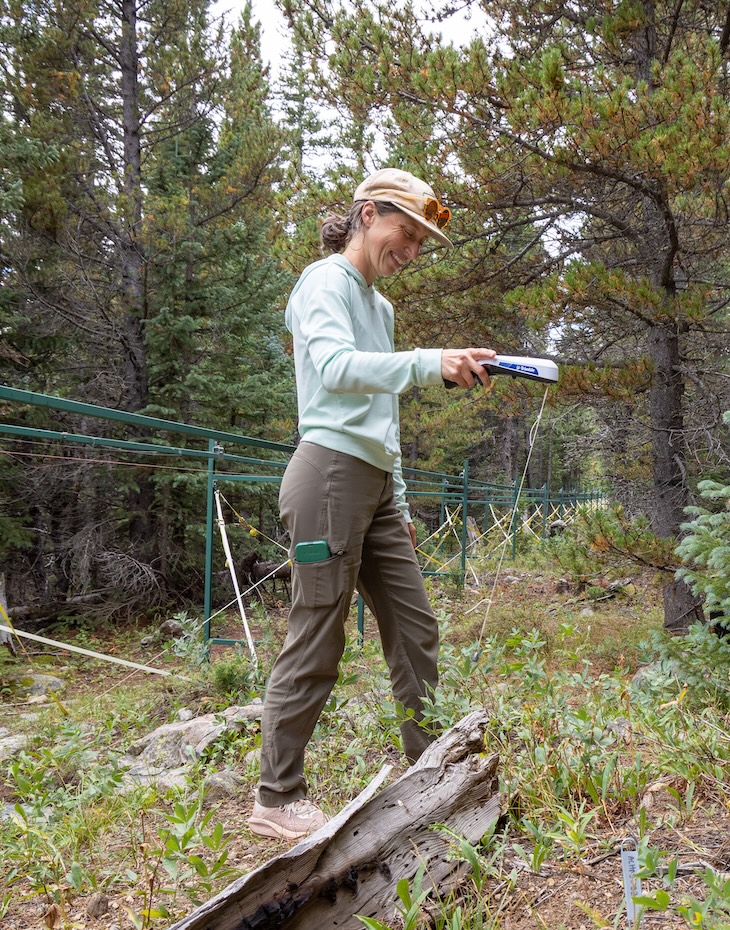
That means she’s monitored weather predictions daily from her home in Westminster and returned dutifully to her plots high up in the Rocky Mountains to shovel to the appropriate snow depth for her experiment within 72 hours of each snowfall—rain or shine, in wind or sleet. (This is how she found herself hiking backwards through a particularly unpleasant storm, with no option of throwing in the towel). “It’s physically a really big job,” said her mentor, Assistant Professor of Geography & Environmental Sciences Katharine Kelsey. “It’s been not just a big mental effort, but just a big, whole-body, physical effort for her, and I’m so grateful. It’s really allowed the project to become such a potent piece of research.”
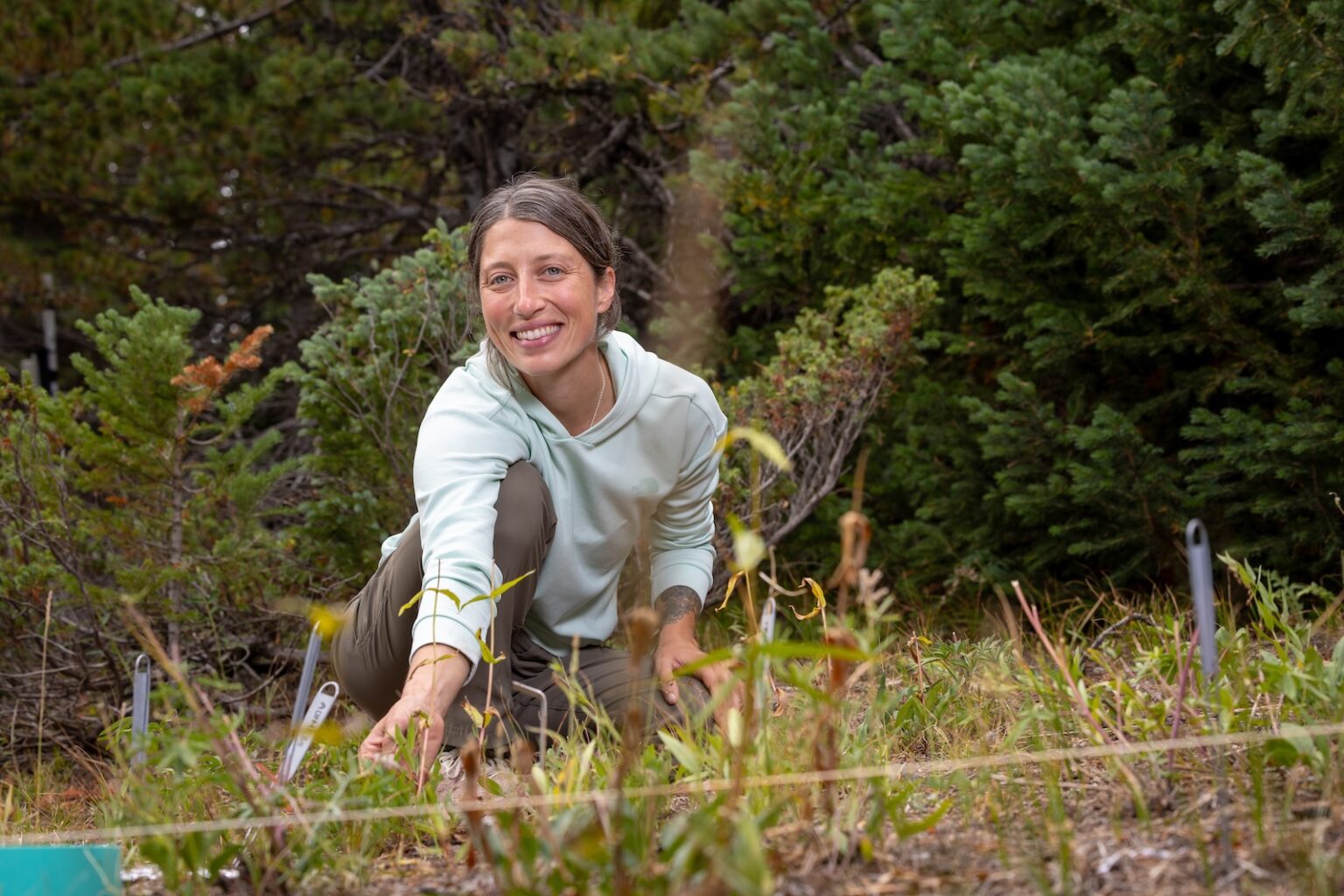
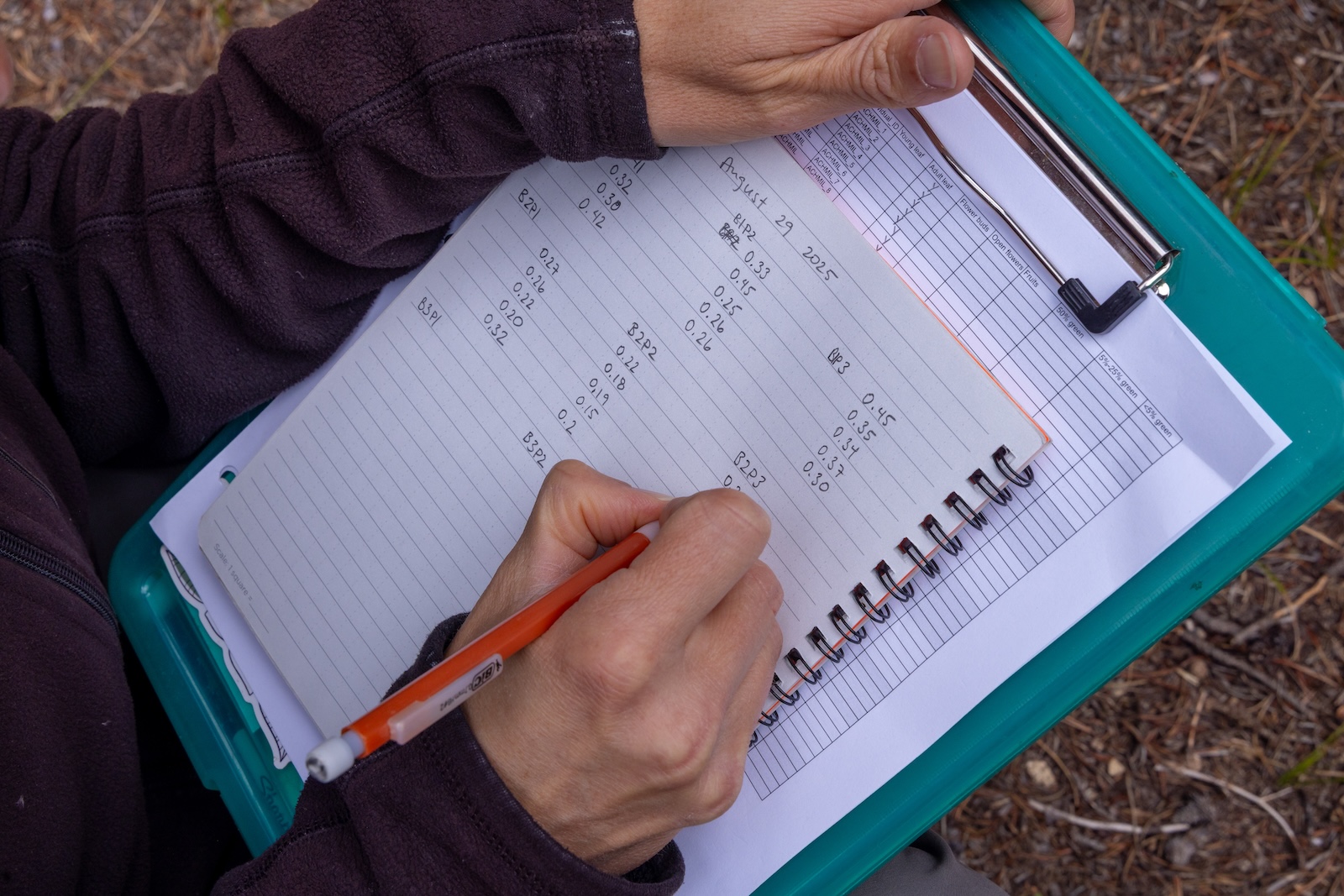
In the warmer months, Parsons made the trek up to her plots even more regularly. In these trips, she didn’t have to shovel snow, but did she did take fastidious measurements of every new leaf, how many plants there were, how tall they grew, and more. She also logged soil temperatures year-round—and found something you might not expect.
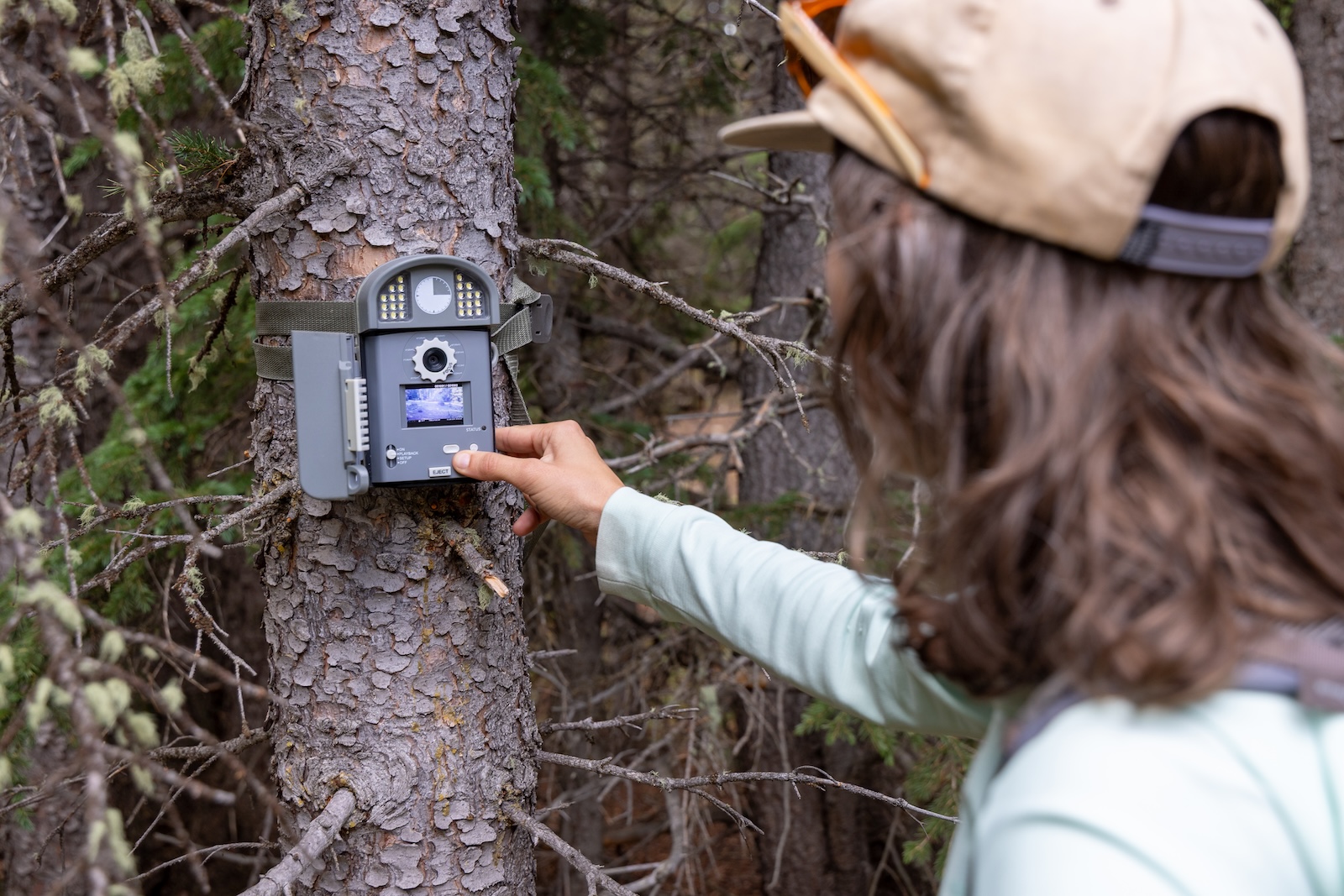
“Any mountain environment that we have here in Colorado that is above treeline or at the subalpine relies on snowpack for insulation,” Parsons said. All winter, thick blankets of snow protect plants’ roots and the soil biome they live in from the more intense cold above the ground. Less snow—even if only in the first two months of winter—can cause soil temperatures to dip, because snow acts as a buffer against the coldest air above ground.
Trends in Parsons’ data suggest soil in areas where snow was removed in the fall did not warm as much in the spring compared to the soil that had none of its snow blanket removed. “And if you have cooler soil temperatures than historic conditions, that could affect the biogeochemistry side of things,” Parsons said. Soil microbial interactions could change, which could alter gaseous emissions released in those interactions. That could set off a cascade of events—but we don’t understand what that would look like, or what it would mean for the broader ecosystem and things that affect society more directly, like watersheds.
Struggling, Thriving, or Adapting?
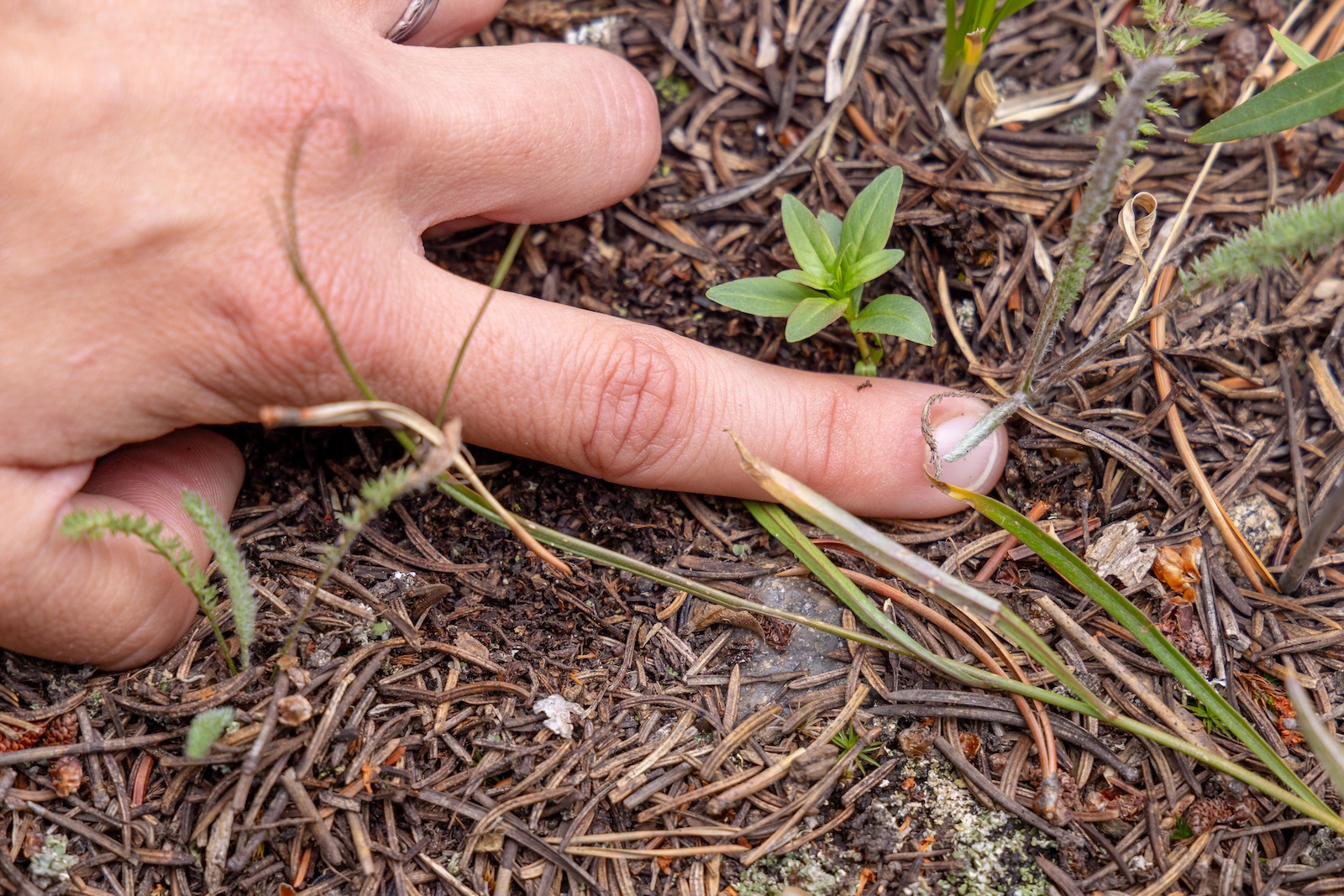
The soil temperature wasn’t the only thing she observed changing. Parsons also found changes to the yarrow and strawberry plants. By looking at things like leaf size and thickness in the spring and summer, Parsons saw that strawberry’s growth stayed consistent under the stress due to the altered snowpack, while yarrow changed its traits to respond and take advantage of the changing environment—it seemed to grow even more aggressively. “Which then makes you start to wonder,” Parsons said, “is yarrow less stable than strawberry because it’s more sensitive, or is it that it’s more competitive?”
For Parsons, every question she answers yields a dozen more—and she wouldn’t have it any other way. “To someone, it may be that a handful of plants are declining, but to me, I see it as, ‘Then, what is the pollinator pollinating? And what happens to our atmosphere if there is less plant material? … These plants sustain and stabilize landscapes, and if we increase erosion and decrease that stability, what happens to our watershed?’”
After she graduates, she hopes to continue investigating the Rocky Mountain subalpine’s changing landscape, which not only has she grown to love, but feels committed to understanding deeply. “How are you to understand how it’s all connected if you don’t start with at least one habitat?” Parsons said.
Mountains Meet Metropolis at CU Denver
Parsons and Kelsey share some of their favorite things about CU Denver’s location in the heart of an emerging global city, at the base of the rugged Rocky Mountains.
City: “I have absolutely loved being in the belly of the whale of a large city … just being able to meet so many different students from so many different places, so many different countries, and have all of this exposure to just people in this world, in this life, I don’t know if I would have had that same experience if I would have picked a school that wasn’t in a metropolitan place like Denver.”
—Claire Parsons, master’s candidate, geography & environmental sciences, ’25
Mountains: “We’re the state’s premier urban research institution, and yet you can get to these alpine environments that are world-class research sites within just an hour. And, they’re what we see when we step out of the door of any building on campus.”
—Katharine Kelsey, PhD, assistant professor of geography & environmental sciences