
PARIS – European airline bosses have rushed to lambast MEPs for ignoring “operational realities” in adopting a firm stance on passenger rights, claiming flyers prefer to pay for carry-on luggage if it means lower ticket prices, and that lengthening the threshold for compensation would mean fewer delays.
On Monday, the European Parliament’s transport committee near-unanimously to side with passengers in agreeing to defend their right to compensation if a flight is delayed by three hours or more.
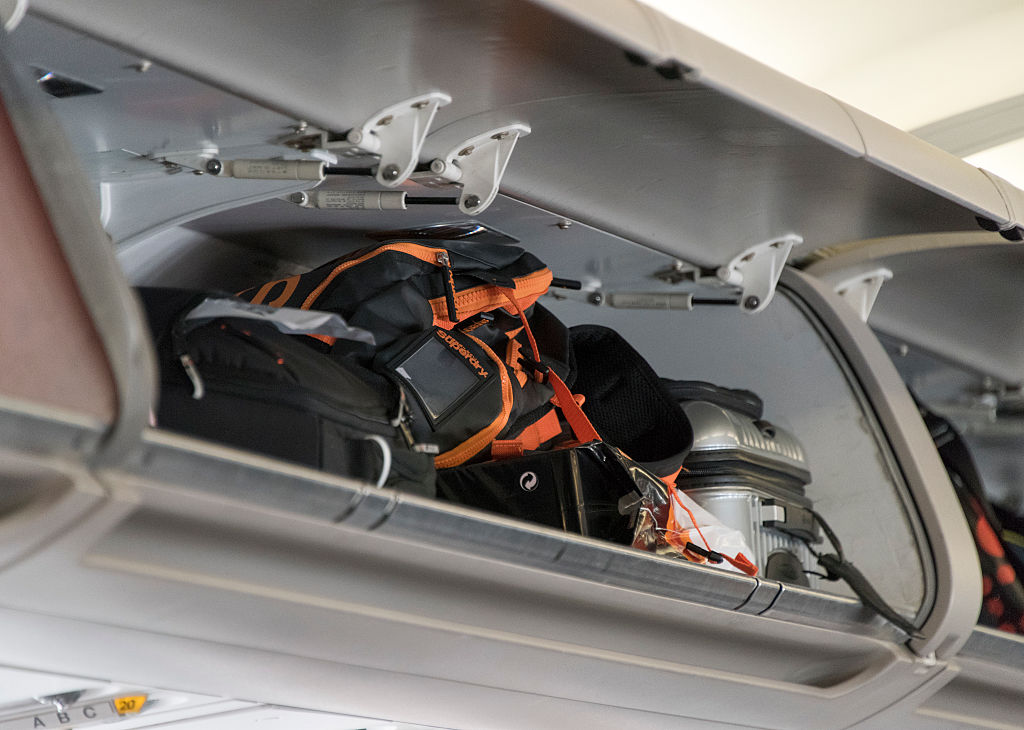
Lawmakers of all parties also agreed that customers should be allowed to bring both a personal bag and a small-sized piece of hand luggage on board at no extra charge, setting the Parliament on collision course with EU governments, which have adopted a more pro-airline stance.
‘Out of sync’
The baggage allowance demanded by MEPs was “entirely out of sync with passenger preferences”, CEOs replied today in a joint statement, issued by the Brussels-based trade association Airlines for Europe (A4E), after a top-level meeting in Paris.
They claimed that a survey had shown lower fares and pay-for luggage options were “more popular” passengers than higher fares that include carry-on baggage.
Moreover, using questionable logic, they further argued that extending the delay time after which airlines would have to compensate passengers for late arrival to five hours – from the current three – “could prevent up to 40% of delays – with better outcomes for passengers and the environment”.
“Arbitrary three-hour thresholds leave airlines little time to bring in backup planes or crews,” they said.
Asked to show their working, A4E shared a document suggesting that minor repairs might take nine hours, whereas a replacement aircraft could be readied in five.
Why an airline could not compensate passenger and ready a new aircraft is not explained.
Other issues
The airline bosses had other grievances to air, including the EU’s mandate to use steadily increasing shares of costly sustainable aviation fuels (SAFs) in order to reduce greenhouse gas emissions.
“Simply implementing mandates does not create a functioning SAF market,” they said, demanding measures to cut clean fuel costs. They also reiterated the idea of a border tariff on companies that use non-EU airports to avoid Europe’s carbon costs.
The CEOs went on to complain that the bloc’s air traffic management space was “broken” and that insufficient capacity had led to cumulative delays totalling 23 years over the summer.
Industrial action was another target on their radar.
European airspace, they said, “increasingly finds itself shut down overnight on the whim of an air traffic controller strike in just one member state, grinding to a halt arriving and departing flights, but also obliging overflying planes to detour.”
Their solution: laws restricting the right to call a strike at short notice, and limiting the effects of industrial action on flights.
(rh, aw)