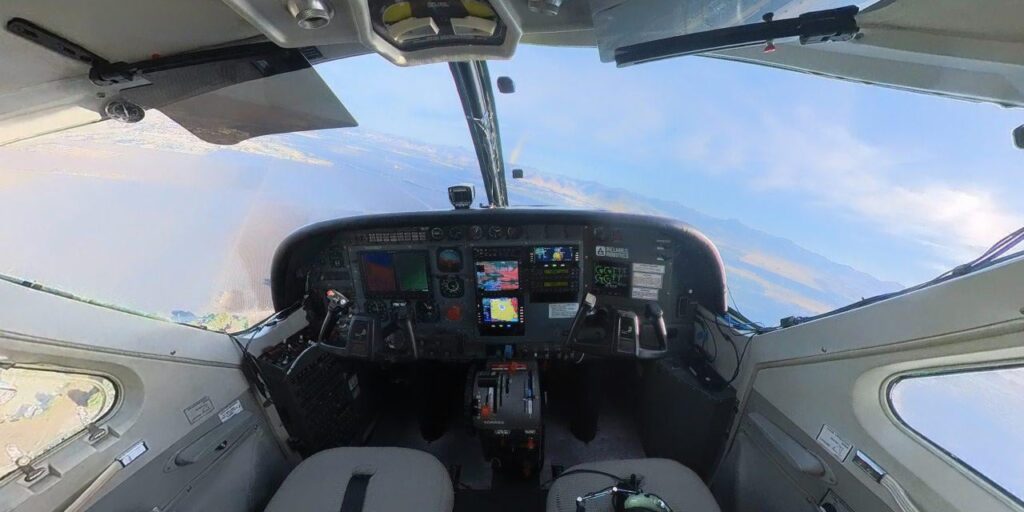
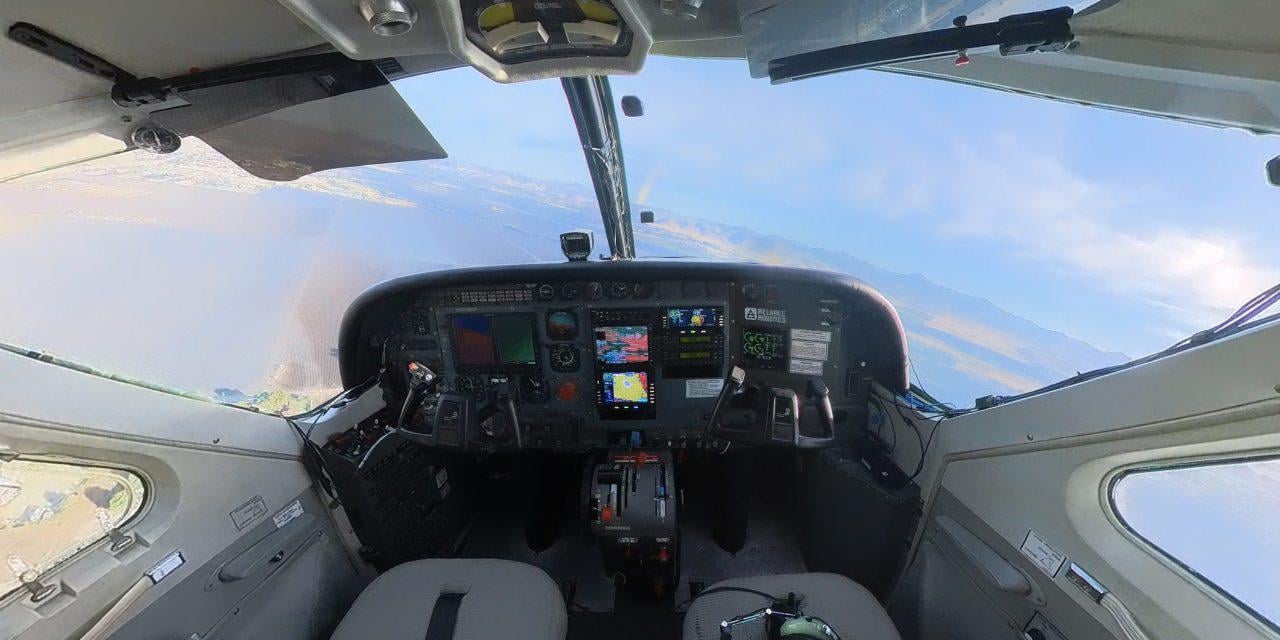
>Reliable Robotics is among startups vying to revolutionize air travel by doing away with the need for human pilots on cargo, military and maybe even passenger aircraft. Autonomous flight is being tested at companies from giant aircraft makers to small startups.
>For now, cargo and military flights are the focus. Reliable recently signed a $17 million contract with the U.S. Air Force that involves testing autonomous cargo flights. Flying-taxi maker Joby Aviation also recently tested its own pilotless Cessna for the Air Force over the Pacific Ocean.
>Boeing and Airbus, the world’s leading makers of large commercial jets, have separately worked on introducing more automation in their aircraft, and both say the aim is to improve safety. The two companies have also examined fully autonomous flight, but say they aren’t working on commercial-jet designs that don’t include pilots in cockpits.
>Truly autonomous flight with human passengers will face a host of technical and regulatory hurdles, and—perhaps the most difficult of all—a tough sell to travelers.
>Pilots, the faces and voices of safety for the flying public, reassure during startling turbulence or other in-flight scares. Their presence conveys someone is there to save the day.
>“I don’t think we’re going to go full autonomy passenger operations immediately,” said Robert Rose, Reliable’s chief executive. “And the reason for that has more to do with passenger acceptance than it does the technology.”

3 Comments
>Reliable Robotics is among startups vying to revolutionize air travel by doing away with the need for human pilots on cargo, military and maybe even passenger aircraft. Autonomous flight is being tested at companies from giant aircraft makers to small startups.
>For now, cargo and military flights are the focus. Reliable recently signed a $17 million contract with the U.S. Air Force that involves testing autonomous cargo flights. Flying-taxi maker Joby Aviation also recently tested its own pilotless Cessna for the Air Force over the Pacific Ocean.
>Boeing and Airbus, the world’s leading makers of large commercial jets, have separately worked on introducing more automation in their aircraft, and both say the aim is to improve safety. The two companies have also examined fully autonomous flight, but say they aren’t working on commercial-jet designs that don’t include pilots in cockpits.
>Truly autonomous flight with human passengers will face a host of technical and regulatory hurdles, and—perhaps the most difficult of all—a tough sell to travelers.
>Pilots, the faces and voices of safety for the flying public, reassure during startling turbulence or other in-flight scares. Their presence conveys someone is there to save the day.
>“I don’t think we’re going to go full autonomy passenger operations immediately,” said Robert Rose, Reliable’s chief executive. “And the reason for that has more to do with passenger acceptance than it does the technology.”
Full story (free link): [https://www.wsj.com/business/airlines/reliable-robotics-autonomous-autopilot-planes-834ac224?st=ceG8pV&mod=wsjreddit](https://www.wsj.com/business/airlines/reliable-robotics-autonomous-autopilot-planes-834ac224?st=ceG8pV&mod=wsjreddit)
TLDR: No. No they can’t.
But it is still cool to see the interim progress being made in general aviation.
Don’t forget, “transform” isn’t necessarily synonymous with “improve”