
Published on
October 15, 2025

In a historic union to boost regional economy and tourism, Eastern Macedonia and Thrace and the Ionian Islands have formally partnered to better project themselves in the European Union. The union, through a Memorandum of Cooperation (MoC), will be a deciding factor for the two regions as they collaborate to access EU finance, tourism, and sustainability programs.
With the use of EU support and increasing their combined efforts, the regions are ready to take their place as leading tourism destinations and support Greece’s Vision 2030 for sustainable development. With the tourism industry continuing to thrive in Greece, this collaboration is a strong model of cooperation among regions in moving economic and tourism growth forward.
Strengthening Tourism Links: Building Cross-Regional Synergies
One of the main goals of this partnership is to strengthen the tourism appeal of both the Ionian Islands and Eastern Macedonia and Thrace by creating cross-regional synergies. By pooling resources, sharing best practices, and creating joint tourism projects, these regions can amplify their visibility in the global tourism market, particularly in the wake of post-pandemic tourism recovery.
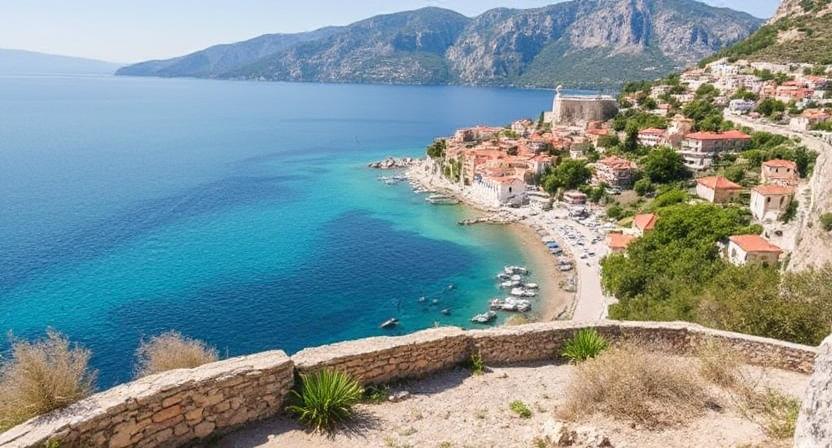
The Ionian Islands, known for their crystal-clear beaches, charming villages, and rich culture, are luxury and eco-tourism hotspots in Greece. Similarly, Eastern Macedonia and Thrace boasts a blend of mountainous landscapes, ancient history, and historic towns, attracting a variety of travelers. The collaboration will ensure that tourists can experience the best of both regions, offering a diverse and immersive travel experience, from beach resorts to mountain adventures, cultural heritage tours, and eco-friendly tourism.
Increased EU Visibility: A Collaborative Push for Funding and Strategic Growth
By establishing a shared office in Brussels, the Ionian Islands and Eastern Macedonia and Thrace are ensuring that their presence in EU policymaking is enhanced. The collaborative office will focus on securing EU funding, promoting regional priorities, and driving tourism development in line with EU goals for economic cohesion and sustainability.
Both regions aim to compete for European funding through joint proposals that address tourism infrastructure, sustainable development, and cultural preservation. The partnership will create an efficient, unified approach to regional development, enabling both areas to attract investment, expand tourism services, and improve quality of life for local residents.
With EU funding opportunities becoming increasingly competitive, the Ionian Islands and Eastern Macedonia and Thrace have recognized the importance of collaborative representation in Brussels, ensuring that they are well-positioned to secure the resources necessary for their tourism growth and sustainable development.
Cultural and Sustainable Tourism: Leveraging Local Heritage and Innovation
A central focus of the partnership is the promotion of cultural tourism and sustainable tourism practices. The Ionian Islands are renowned for their rich cultural heritage, which includes ancient ruins, medieval castles, and traditional island villages. Meanwhile, Eastern Macedonia and Thrace is home to historical sites like Philippi, Xanthi, and Komotini, along with mountainous landscapes and eco-tourism opportunities.
The partnership will ensure that both regions continue to preserve their natural beauty and cultural assets while developing eco-friendly and sustainable tourism practices. Initiatives will focus on reducing the environmental impact of tourism, promoting green accommodations, and encouraging responsible travel. Additionally, by focusing on local cultural experiences, both regions aim to showcase their heritage through immersive activities such as traditional craft workshops, local food tours, and cultural festivals.
Sustainability in tourism development will be critical to maintaining the long-term appeal of these regions as top destinations. As more travelers seek authentic experiences that are eco-conscious, this partnership will position the regions as leaders in the growing sustainable tourism market.
Economic and Job Growth: Supporting Local Communities
The success of the Ionian Islands and Eastern Macedonia and Thrace tourism partnership is expected to have significant economic benefits for the local communities in both regions. The development of joint tourism projects and improvements in infrastructure will generate employment in the hospitality sector, tourism services, and transportation industries, helping to boost local economies.
The partnership’s emphasis on sustainable tourism will also create long-term job opportunities in green tourism, local craft production, and cultural preservation, offering economic stability for local residents. By ensuring that tourism growth benefits both visitors and locals, the initiative will contribute to the overall socio-economic development of these regions.
Expanding Regional Influence: Strategic Investments in Tourism Infrastructure
A key aspect of the partnership is the shared goal of improving regional tourism infrastructure. Both the Ionian Islands and Eastern Macedonia and Thrace are focused on enhancing transportation networks, expanding accommodation options, and improving tourist amenities to ensure that their destinations remain accessible and attractive to international tourists.
As tourism demand continues to rise, investments in infrastructure will help accommodate more visitors and improve the overall travel experience. Key improvements will include the expansion of airports, the development of sustainable accommodations, and the creation of eco-friendly transportation options. These investments will help both regions cater to the increasing number of tourists, while also promoting sustainable tourism growth.
A Collaborative Future for Tourism in Greece
The cooperation between Eastern Macedonia and Thrace and the Ionian Islands is a new page in Greece’s tourism evolution. Working together, these two places aim to develop synergies that make them more attractive globally, encourage sustainable tourism, and lead to economic development for local communities. The joint office in Brussels, together with collective tourism efforts, prepares them for competition for EU financing and makes them more influential on the international tourism map.
As the regions develop further their distinctive strengths, this alliance will be an example of regional collaboration in Greece, showing how sustainability and cultural heritage can be the starting point for sustainable tourism development. With a common policy towards the development of tourism, the Ionian Islands and Eastern Macedonia and Thrace are poised to be among the leading tourist destinations in Greece and the European Union.
