
Published on
October 15, 2025

In a significant move, the Montenegrin government has announced the end of visa-free travel for citizens of Uzbekistan, alongside Kuwait, Armenia, and Egypt, starting from October 29, 2025. This decision is part of Montenegro’s efforts to align its visa policy with European Union standards as the country prepares for EU membership. While this change will affect Uzbek citizens who have enjoyed easy access to Montenegro since June 2023, it is expected to have a notable impact on tourism between the two nations. As Uzbek visitors will now need to apply for a visa to enter the Adriatic country, the shift highlights the changing dynamics in the tourism sector.
Montenegro’s New Visa Requirement for Uzbek Citizens:
Montenegro had previously allowed Uzbek citizens to enter the country visa-free, a privilege that had been in place for just over a year. This decision helped foster a growing interest in Montenegro among Uzbek travelers, particularly those looking for a European destination that offered both scenic beauty and a rich cultural experience. However, in line with EU visa policies, Montenegro has decided to end the visa exemption for Uzbek nationals. As a result, Uzbek tourists will now need to go through the visa application process, which could impact the ease with which they travel to Montenegro.
The new visa requirement reflects Montenegro’s ongoing efforts to integrate its policies with those of the European Union. As the country inches closer to EU membership, aligning visa protocols with EU standards becomes an essential part of its journey. While this shift marks the end of a period of visa-free access for Uzbek tourists, Montenegro remains a significant destination for travelers from Central Asia thanks to its natural beauty, historic sites, and Mediterranean appeal.
Impact on Tourism Between Uzbekistan and Montenegro:
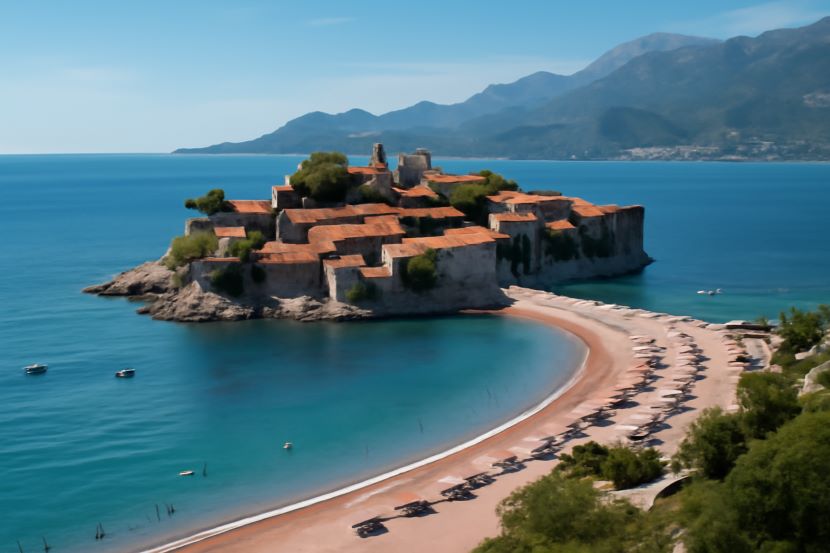
Tourism between Uzbekistan and Montenegro has been steadily growing, and the introduction of the visa requirement could pose some challenges. Montenegro is increasingly popular among Uzbek tourists who are attracted by its beautiful coastline, UNESCO World Heritage sites, and the allure of the Adriatic Sea. The country’s accessibility and relatively low-cost travel options had made it a favorite for tourists looking for European destinations that offer a mix of history, culture, and relaxation.
With the new visa requirement, there is concern that the ease of travel for Uzbek citizens will be significantly reduced. The visa process can often be an obstacle, particularly for travelers who are used to quick, hassle-free access. This could potentially lead to a decline in the number of Uzbek tourists visiting Montenegro in the short term, as the added bureaucracy might discourage spontaneous trips. However, long-term growth in tourism could still be achievable if Montenegro’s tourism industry adapts by offering streamlined visa application processes and marketing the country’s unique offerings more aggressively.
Despite this, Montenegro remains a prime destination for Uzbek travelers looking for a gateway to Europe. The country’s scenic landscapes, historical sites, and luxurious resorts will likely continue to draw visitors, even with the added complexity of visa applications.
Continued Visa-Free Access for Other Nations:
While the visa exemption for Uzbek citizens is ending, Montenegro’s visa-free regime remains in place for several other countries, including China, Russia, Turkey, Qatar, Saudi Arabia, Bahrain, and Azerbaijan. These nations will still be able to access Montenegro without needing a visa, reflecting the country’s continued efforts to maintain strong relationships with its key tourism markets. Citizens of the UAE will also be able to enter Montenegro on a seasonal basis, a policy that caters to the increasing demand from Middle Eastern travelers.
How This Affects Tourism Relations:
The shift in Montenegro’s visa policy is a reminder of how closely linked tourism is to geopolitics and international relations. The growing tourism ties between Uzbekistan and Montenegro reflect broader efforts to strengthen bilateral relations between the two countries. Since establishing diplomatic relations in 2008, both nations have seen steady growth in their political, economic, and cultural cooperation. This includes expanding mutual interests in tourism, education, and trade.
As Montenegro prepares for the EU’s regulatory framework, this visa policy change is part of the broader integration process. However, the decision also highlights the importance of ongoing collaboration between the two nations to maintain strong tourism ties. Tourism remains a key pillar of the relationship, and future efforts may focus on making travel easier for Uzbek visitors through initiatives like improved visa processing or special travel arrangements.
Montenegro’s decision to end visa-free access for Uzbek citizens starting in October 2025 marks a shift in the tourism landscape between the two countries. While the new visa requirement may introduce some hurdles for travelers, Montenegro’s appeal as a European destination is unlikely to diminish. The country’s rich cultural heritage, stunning natural beauty, and Mediterranean allure continue to make it a top choice for international tourists, including those from Uzbekistan.
