
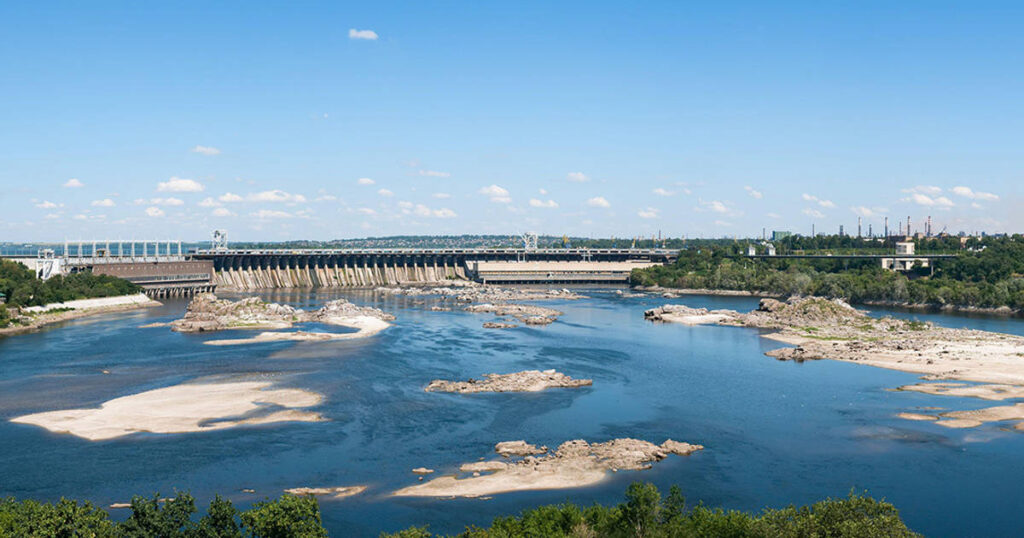
Amidst all the bloodshed in Ukraine, it was an episode easy to ignore, and ostensibly meriting very little attention: on 22 July 2025, Russia announced its withdrawal from the Ramsar Convention, marking a significant moment in international environmental governance. The Ramsar Convention, one of the oldest and most widely adopted multilateral environmental agreements, aims to protect and sustainably manage wetlands – global ecosystems which, for a substantial part of each year, are submerged in water. Russia’s decision to leave the treaty was triggered by a decision of a majority of member states to this Convention to address the environmental damage to Ukrainian wetlands caused by Russia’s invasion. Russia’s departure from the Convention raises concerns about the future of wetland conservation. It also highlights a broader debate on whether the Ramsar Convention is effective in protecting wetlands in armed conflicts, and the limitations of international environmental treaties in fostering cooperation among conflicting parties.
Wetlands Matter
Wetlands are varied and diverse environments. They include natural areas such as lakes, rivers, marshes, mangroves, coral reefs, as well as human-made sites such as rice paddies and reservoirs. Being among the most productive ecosystems, they play a crucial role in supporting diverse flora and fauna, such as migratory bird species. Wetlands are also essential for humans. They supply freshwater, food, building materials, flood control, assist with groundwater recharge and help mitigate climate change. However, despite their importance, wetlands are shrinking and deteriorating worldwide. The Global Wetland Outlook 2025, the most comprehensive assessment of the status of wetlands worldwide, warns that without urgent conservation interventions and investments, the loss of wetland ecosystem services could amount $39 trillion. Hence, an international treaty such as the Ramsar Convention, which unites countries to protect wetlands through a global framework, remains vital.
The Ramsar Convention
The Ramsar Convention or the Convention on Wetlands, also formally known as The Ramsar Convention on Wetlands of International Importance, is an intergovernmental treaty signed in 1971 in Ramsar, Iran, and came into force in 1975. As of September 2025, 172 countries, from all the world’s geographic regions (i.e. not just the temperate regions), have acceded to become ‘contracting parties’. At the heart of the Convention is the philosophy of ‘wise use’, which is defined as ‘the maintenance of their ecological character, achieved through the implementation of ecosystem approaches, within the context of sustainable development.’ Therefore, the goal of the Convention is to conserve and sustainably use wetlands for the benefits of both people and nature.