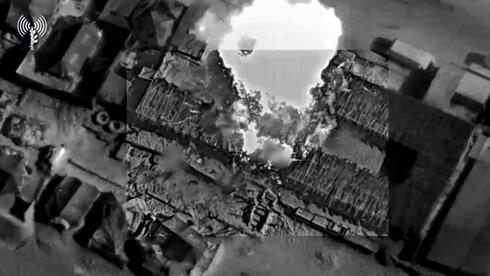
The strikes were ordered after two soldiers —
Maj. Yaniv Kula and Staff Sgt. Itay Yavetz — were killed and a third seriously wounded when Hamas terrorists fired an anti-tank missile at an engineering vehicle during a tunnel-clearing operation. The escalation marked the most serious violation of the U.S.-brokered ceasefire since it took effect.
“In accordance with the directive of the political echelon, and following a series of significant strikes in response to Hamas’ violations, the IDF has begun the renewed enforcement of the ceasefire,” the army said in a statement, signaling that the directive came directly from Prime Minister Benjamin Netanyahu.
The announcement followed a chaotic policy reversal earlier in the day, when the government briefly halted humanitarian aid to Gaza “until further notice” as part of its response — only to
walk the decision back within an hour, after U.S. officials intervened. A senior Israeli official later clarified the aid freeze was tied to the airstrikes and would end once operations concluded. Netanyahu assured U.S. counterparts that aid deliveries would resume Monday.
Washington — eager to protect the truce negotiated by President Donald Trump, who has publicly touted it as the eighth war he has ended since returning to office — has been actively mediating behind the scenes. Trump’s envoys, Steve Witkoff and Jared Kushner, are due in Israel on Monday for meetings with Netanyahu and Strategic Affairs Minister Ron Dermer.
2 View gallery

Steve Witkoff and Jared Kushner
(Photo: Chris McGrath/Getty Images)
According to Israeli officials, Trump’s advisers urged restraint, asking Israel to respond forcefully but avoid derailing the agreement. A senior security source reiterated that the
strikes were not aimed at collapsing the ceasefire. “This is not a breakdown of the agreement; this is cause and effect,” the official said. “There was a violation, and there is punishment.”
Despite the tension, Israeli officials say they remain committed to the ceasefire, while reserving the right to retaliate for violations. The agreement, which includes phased Israeli withdrawals and the entry of hundreds of aid trucks daily, remains in a delicate balance as violence and diplomacy collide.