
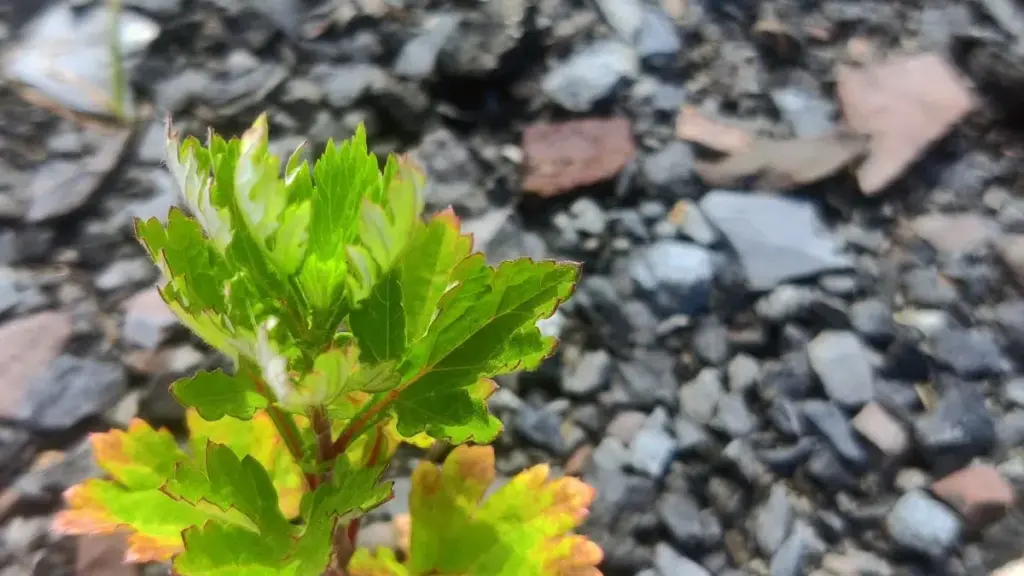
The Jankowice-Pólnoc landfill, located in southern Poland, was selected as the setting for a pioneering trial of ecological restoration that combines mineral and organic components to stimulate vegetation development in barren land.
The initiative is part of the international program REECOL, co-financed by the European Union, which aims to rehabilitate post-mining areas with criteria of efficiency, sustainability, and low operating cost.
The main objective is to regenerate local ecosystems and evaluate the ability of certain plant species to adapt to hostile soils, without the need for irrigation or intensive maintenance.
Innovative mixture and plant colonization without intervention
The Polish Mining Group (PGG SA) and the Central Mining Institute delimited a plot of 1,000 m² within the landfill, characterized by the presence of nutrient-free fragmented rock. After analyzing its physicochemical properties, researchers applied a restorative mixture composed of crushed rock and stabilized sewage sludge, a formula already tested in other mining projects and adapted to local conditions.
According to Bartlomiej Bezak, responsible for innovative projects at PGG SA, the mixture:
- Is weed-free
- Contains essential nutrients for plant development
- Facilitates the spontaneous colonization of native species without additional intervention
Between April and May, drought-resistant plants with low soil requirements were planted. Within a few months, the plot showed signs of established vegetation, with species that managed to flourish and adapt to the environment.
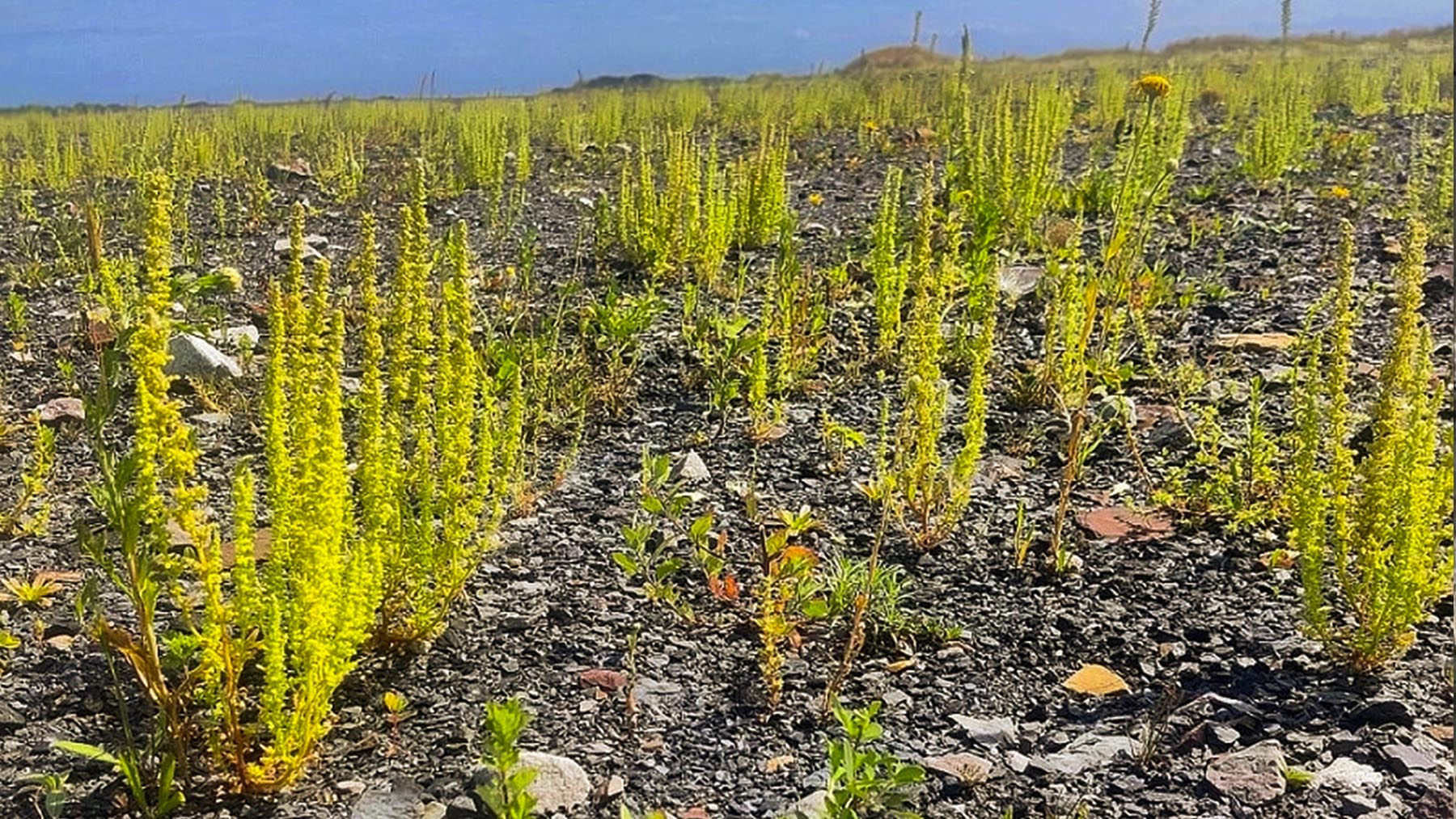 An ecological restoration experiment surprises from Poland.
Biodiversity, pollinators, and a replicable model of ecological restoration
The impact of the experiment goes beyond the visual recovery of the landscape. An increase in the presence of pollinating insects was recorded, thanks to the diversity of aromatic and colorful flowers. In total, 25 native species were identified, mainly perennial herbaceous plants, capable of surviving without additional irrigation.
“The combination of organic matter and plant selection allowed us to create a self-sustaining environment, replicable in other mining landfills,” explained Łukasz Pierzchała from the Central Mining Institute.
This approach offers viable alternatives for the recovery of degraded soils without resorting to expensive interventions or intensive processes, making it a useful tool for public administrations, mining companies, and local communities.
Environmental, recreational, and productive applications
Researchers highlight that this mineral-organic mixture can be used for various purposes:
- Environmental: improves vegetation cover and creates habitats for pollinators
- Recreational: allows for the creation of temporary green spaces in urban or industrial areas
- Economic: prepares land for possible productive or industrial reuse
Additionally, the technique limits the spread of invasive species and prevents the colonization of unwanted trees that could disrupt the ecological balance of the site.