
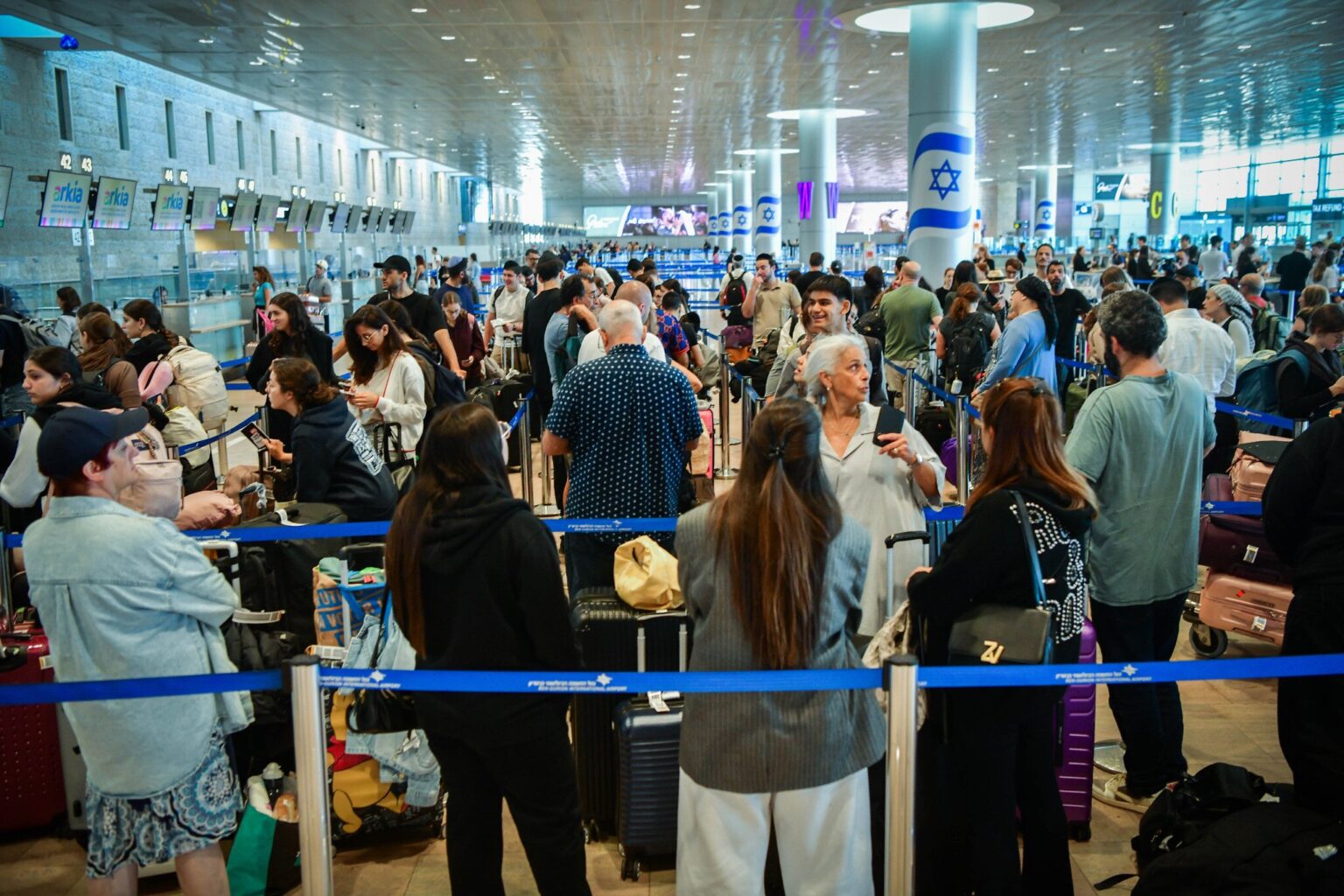
Over the past two years, as Israel has fought wars with Hamas, Iran, and foes on other fronts, travelers to and from Tel Aviv have grown used to expensive plane tickets as foreign airlines suspended service — leaving Israeli carriers with sparse competition.
But with the onset of the ceasefire in Gaza this month, brokered by US President Donald Trump, travel agents say all that is poised to change. An increasing number of foreign airlines that paused service during the war have returned to Ben Gurion Airport or are about to. And for Israeli fliers, the unusually high airfares of the past two years show signs of coming back down to earth as well.
“Trump is like our ambassador of travel, as he is helping us to end the fighting,” said Tali Noy, vice president of marketing and sales at the travel agency, ISSTA. “If the current situation holds, more and more foreign airlines will resume flight services and add frequency, which will in turn increase options and seat capacity and lead to lower prices for Israeli consumers.”
Air Canada became the latest carrier to renew daily flights when it reopened its Toronto-to-Tel Aviv route on October 9, the same day Israel and Hamas signed the ceasefire and hostage-release agreement.
At the end of October, Spanish carrier Iberia, the UK’s British Airways, and Germany’s Eurowings are expected to resume service to Tel Aviv after suspending flights during the war. And almost a decade after it halted flights to Israel in 2016, Scandinavian airline SAS will restart flight operations to the country at the end of the month, with two weekly offerings between Tel Aviv and Copenhagen.
US carrier United Airlines resumed direct flights between Tel Aviv and Newark, near New York City, in July; next month, it will renew its routes from Chicago and Washington, DC, to Ben Gurion and back. Its US rival, Delta, restarted its route between Tel Aviv and New York’s John F. Kennedy Airport on September 1, with seven weekly flights.
“We are already seeing a decrease from last winter’s ticket prices of a good 20 percent, especially to New York and other long-haul destinations, as travelers have more options and can be booked on connecting flights via Europe,” said Mark Feldman, CEO of the Ziontours Jerusalem travel agency.
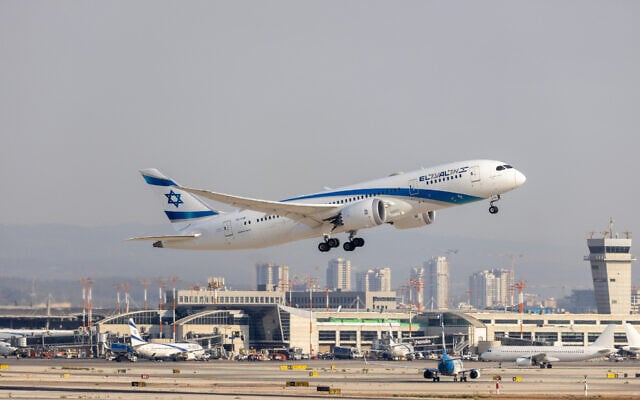
An El Al flight takes off at Ben Gurion Airport, outside of Tel Aviv, August 14, 2025. (Yossi Aloni/Flash90)
Noy said that fares for round-trip flights on the Tel Aviv-New York route for this coming summer are selling around $1,200, some 50 percent cheaper than earlier this year. That price, she said, was getting closer to price levels seen before the October 7 attack.
Prices also appear to be plummeting on Israeli airlines, which now have to contend with foreign carriers sharing their airspace. That stands in contrast to this past summer, when, with no competition from foreign carriers on direct flights from Tel Aviv to New York, fares on El Al and Arkia went through the roof.
In early July, after Israel’s airspace reopened following the 12-day war with Iran, round-trip El Al economy fares stood at around $1,530 and increased to $2,666 at the end of the month. And in August, El Al economy class flight tickets were almost sold out, with the company offering travelers the option to pay for premium class tickets with fares ranging from $3,650 to $4,060.
On Arkia, prices ranged from $1,750 to $2,500, and were selling for as much as $3,400 toward the end of August.
Those companies, in turn, reported record profits as they served a captive market. El Al’s share price, a bellwether of the Israeli aviation market, surged more than 60% since the start of the year, but has dived more than 10% since the start of October, in a sign that investors are expecting greater competition to bite into the local airline’s hefty profits.
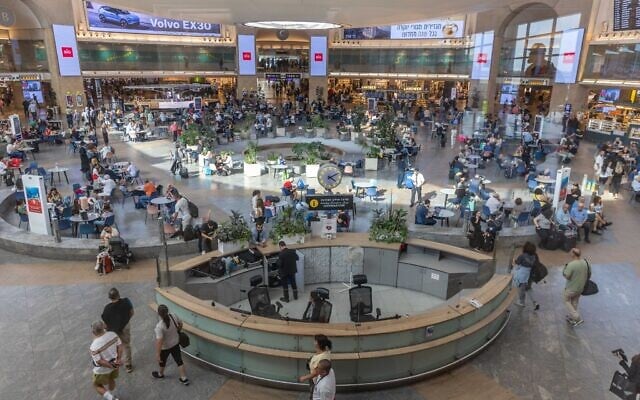
Travelers at Ben Gurion International Airport, September 15, 2025. (Yossi Aloni/FLASH90)
Now, flying local airlines likewise promises to be a bit less pricey. Economy ticket prices for El Al direct round-trip flights on the Tel Aviv-New York route are starting at around $1,076 in November. Travelers can book an El Al round-trip to New York surrounding the upcoming Christmas period for as low as $1,100.
For spring next year, the same tickets start at $1,061 and rise to around $1,600 during the peak July-August summer period — still a far cry from the price tags of this past August.
At one point, the only flights to Israel were found on the Israeli carriers and a handful of other airlines, mostly from the Persian Gulf and Eastern Europe. Now, among European airlines that have already resumed partial flight services to Tel Aviv over the peak summer months are the Lufthansa Group (including Lufthansa, SWISS, Austrian Airlines, Brussels Airlines, and Eurowings), Air France, and LOT Polish Airlines. Other carriers that have been operating services to and from the country in recent months are Hainan Airlines, Etihad Airways, Azerbaijan Airlines, Ethiopian Airlines, Uzbekistan Airways, Georgian Airways, Bulgaria Air, flydubai, Cyprus Airways, and Air Seychelles.
“More foreign airlines are bringing their planes and crews back to Israel, suggesting that the status quo now is that there is an acceptable amount of risk to returning to fly to Israel,” said Feldman. “This will result in the sky-high plane ticket prices that we saw during the war going down.”
At least one airline is weighing a major investment in Israel. Hungarian low-cost carrier Wizz Air, which operates 18 direct routes from Israel, is considering setting up a hub at Tel Aviv’s Ben Gurion Airport. Wizz Air’s routes from Israel include popular destinations in Europe such as London, Budapest, Rome, Milan, Venice, Vienna, Athens, and Warsaw.
Noy noted that Wizz Air is offering round-trips between Tel Aviv and London at the beginning of January for as low as $170 and to Rome starting around $160. Israeli carrier Israir, by contrast, is pricing return fares to Rome on selected dates during January for $332.
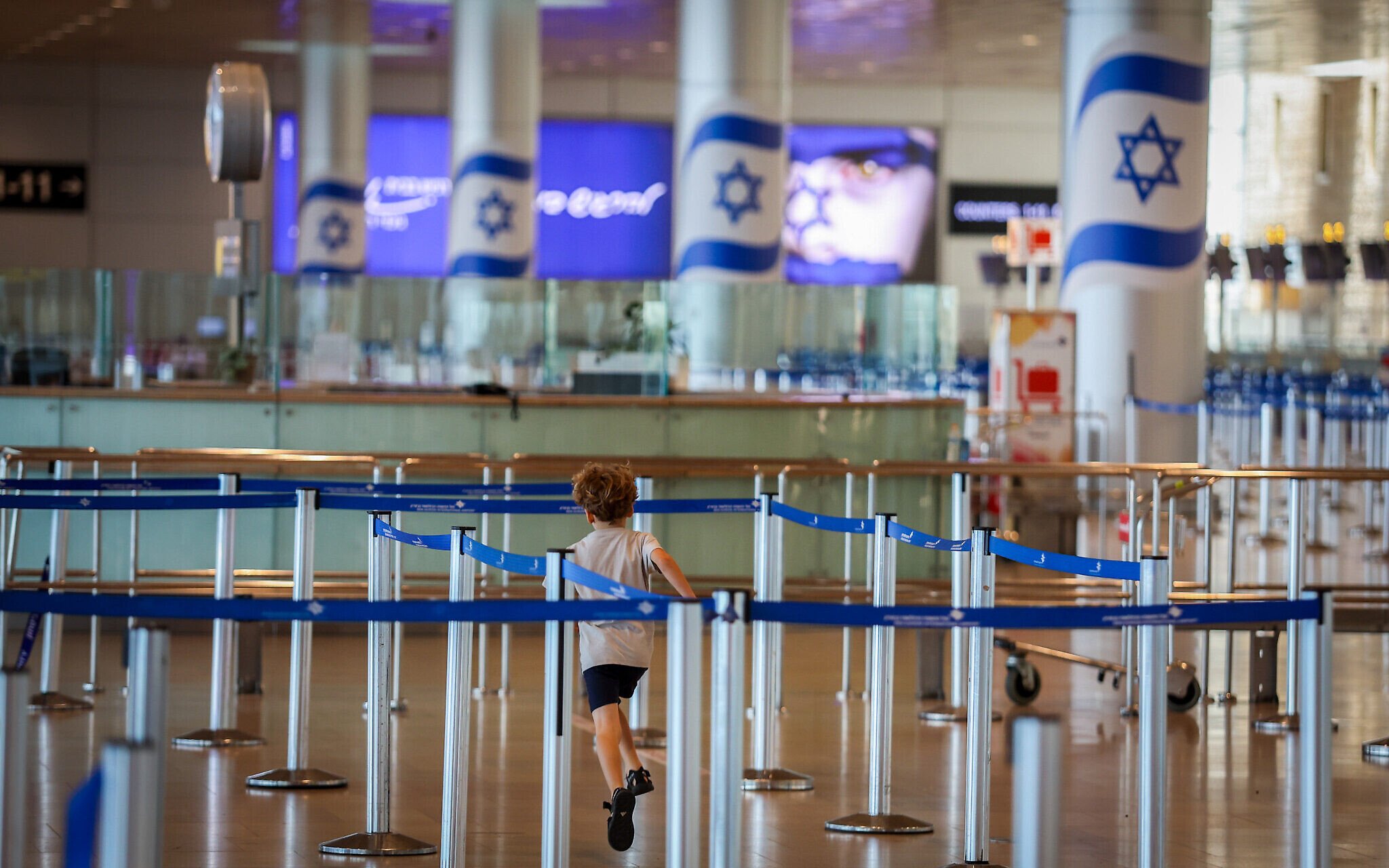
A nearly empty Ben Gurion Airport is seen after all flights were canceled following the start of Israeli strikes in Iran, on June 13, 2025. (Roy Alima/Flash90)
And the planes landing in Israel are hardly devoid of travelers. International passenger traffic coming through Ben Gurion Airport in September soared by more than 33% year-over-year to almost 2 million travelers, according to data from the Israel Airports Authority. Israeli airlines carried more than 1.1 million, or roughly 56%, of those passengers — an increase of almost 14% versus last September.
However, for ticket prices to drop to pre-war levels, another wave of foreign airlines would need to return — especially low-cost carriers. And those that have already resumed flight service would need to increase frequency, Feldman and Noy said.
That may be happening. As Israel signed off on the hostage-ceasefire deal, United announced the addition of another flight to its New York route. Starting in March 2026, the US carrier will operate four daily flights to destinations across the US.
Abu Dhabi carrier Etihad Airways said it will increase the frequency of its route to Tel Aviv to five flights daily. Wizz Air, TUS Airlines, and Bluebird Airways also have plans to step up the number of flight offerings to Tel Aviv in the coming weeks and months.
“After US airlines Delta and United Airlines, as well as Air Canada and the likes of Etihad, are coming back and are adding capacity, it appears that there is enough confidence to sell their tickets,” said Feldman.

Tali Noy, VP Sales and Marketing at travel and tourism provider Issta Israel. (Courtesy)
Several other airlines are still hesitant to resume flight services to Israel. Among major carriers whose flights to and from Israel remain suspended are UK carrier Virgin Atlantic, which ceased services between London and Tel Aviv; Air India; American Airlines; and Italy’s ITA Airways.
In a bigger blow to the country’s travel industry, Turkey’s airlines decided to forego their time slots for takeoffs and landings at Ben Gurion Airport. That indicates that they too will not resume their flight services to Israel during a breakdown in relations between the countries during the war.
British low-cost giant easyJet has likewise said it will not resume flights to Israel before the spring of 2026, while Irish low-cost carrier Ryanair said it will not revive operations to and from Israel in the winter, due to a dispute with Ben Gurion Airport over the allocation of flight slots for next year’s summer season. The decision is estimated to impact 22 routes and almost 1 million seats.
“For the next big Christmas holiday in the winter season, we are not getting requests for now from groups or organizations that have visited Israel before the war, despite the cautious optimism,” said Feldman. “However, if the ceasefire holds, we could see more incoming traffic starting in 2026.”
But he cautioned, “Then again, with the blink of an eye, the geopolitical situation can change overnight in our region, so everything needs to be taken with a grain of salt.”