but i feel ya. my EV is becoming an audio advertisement mobile over time, because, of course they are.
nimicdoareu on
>Cars used to be entirely mechanical objects. With hard work and expertise, basically any old vehicle could be restored and operated.
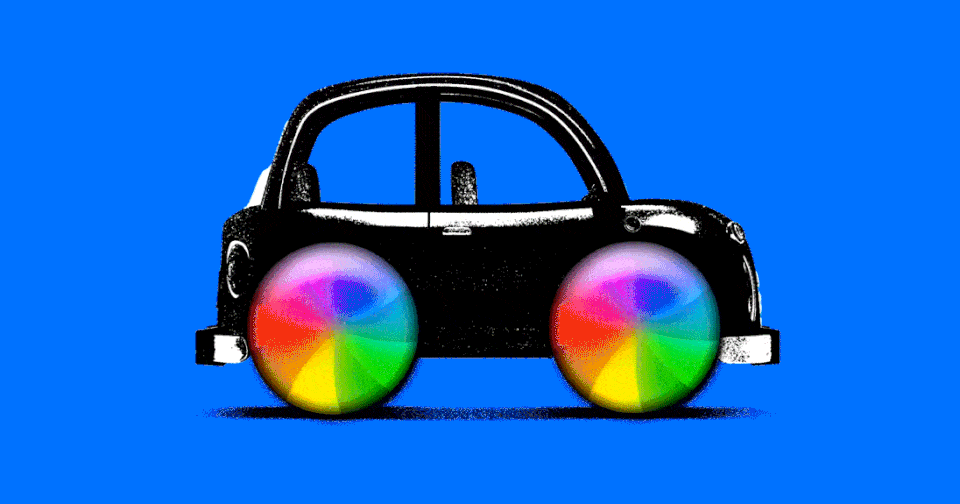
>Things have changed. My Model 3 has few dials or buttons; nearly every feature is routed through the giant central touch screen. It’s not just Tesla: Many new cars—and especially electric cars—are now stuffed with software, receiving over-the-air updates to fix bugs, tweak performance, or add new functionality.
>In other words, your car is a lot like an iPhone (so much so that in the auto industry, describing EVs as “smartphones on wheels” has become a go-to cliché.) This has plenty of advantages—the improved navigation, the fart noises—but it also means that your car may become worse because the software is outdated, not because the parts break.
>Even top-of-the-line phones are destined to become obsolete—still able to perform the basic functions like phone calls and texts, but stuck with an old operating system and failing apps. The same struggle is now coming for cars.
craigmdennis on
It’s by design. Planned obsolescence. I’m not sure even the EU has adequate protections on this front (though they would be one of the first).
_OVERHATE_ on
Regardless of the clear bias of the article, I am still keeping my petrol car and will continue to do so until someone releases a “proper” EV.
And by proper I mean, I just want to grab a Mazda 3, a Corolla, a Ford Focus, a Renault Clio, and just put electric engines on it.
No need for massive touchscreen, display gauges, bunch of features and shit. Just the same old air conditioner dials and buttons, same interior, with a small display for navigation, maybe some HUD like Mazda does, but with an electric engine, regenerative braking and battery.
Give me a shitbox EV.
Cimexus on
Why would the software in a car get worse over time? Sure the manufacturer will eventually stop updating older models, but it will still drive just fine and do everything it always did on that last version of the software.
Tesla still updates its oldest models that are dating back 15 years at this point. That’s starting to approach the typical max lifespan of a car anyway.
If anything, it’s older, non-electric vehicles that are affected by this problem since they CANT be updated over the air. I have a 12 year old Honda Accord with Bluetooth that barely works anymore due to changes in the Bluetooth spec, and a buggy infotainment system that sometimes gets stuck on an audio source or displays the side repeater camera as a blank screen until you turn the car off and on again. That could be fixed with a software update … but those aren’t a thing. Meanwhile, my Model 3 gets bug fixes pushed all the time, and entirely new features added occasionally.
Basically, I don’t see why the article pushes this as an “EV” problem. Cars of all types have had software for decades at this point, and it’s entirely up to the manufacturer to either update that software or not. The type of energy the car runs on is irrelevant.
Dadskitchen on
don’t worry the likelihood of battery failure with repairs costing more than the car is worth will probably end your EV before lack of updates will.

6 Comments
think you forgot the link, lol.
but i feel ya. my EV is becoming an audio advertisement mobile over time, because, of course they are.
>Cars used to be entirely mechanical objects. With hard work and expertise, basically any old vehicle could be restored and operated.
>Things have changed. My Model 3 has few dials or buttons; nearly every feature is routed through the giant central touch screen. It’s not just Tesla: Many new cars—and especially electric cars—are now stuffed with software, receiving over-the-air updates to fix bugs, tweak performance, or add new functionality.
>In other words, your car is a lot like an iPhone (so much so that in the auto industry, describing EVs as “smartphones on wheels” has become a go-to cliché.) This has plenty of advantages—the improved navigation, the fart noises—but it also means that your car may become worse because the software is outdated, not because the parts break.
>Even top-of-the-line phones are destined to become obsolete—still able to perform the basic functions like phone calls and texts, but stuck with an old operating system and failing apps. The same struggle is now coming for cars.
It’s by design. Planned obsolescence. I’m not sure even the EU has adequate protections on this front (though they would be one of the first).
Regardless of the clear bias of the article, I am still keeping my petrol car and will continue to do so until someone releases a “proper” EV.
And by proper I mean, I just want to grab a Mazda 3, a Corolla, a Ford Focus, a Renault Clio, and just put electric engines on it.
No need for massive touchscreen, display gauges, bunch of features and shit. Just the same old air conditioner dials and buttons, same interior, with a small display for navigation, maybe some HUD like Mazda does, but with an electric engine, regenerative braking and battery.
Give me a shitbox EV.
Why would the software in a car get worse over time? Sure the manufacturer will eventually stop updating older models, but it will still drive just fine and do everything it always did on that last version of the software.
Tesla still updates its oldest models that are dating back 15 years at this point. That’s starting to approach the typical max lifespan of a car anyway.
If anything, it’s older, non-electric vehicles that are affected by this problem since they CANT be updated over the air. I have a 12 year old Honda Accord with Bluetooth that barely works anymore due to changes in the Bluetooth spec, and a buggy infotainment system that sometimes gets stuck on an audio source or displays the side repeater camera as a blank screen until you turn the car off and on again. That could be fixed with a software update … but those aren’t a thing. Meanwhile, my Model 3 gets bug fixes pushed all the time, and entirely new features added occasionally.
Basically, I don’t see why the article pushes this as an “EV” problem. Cars of all types have had software for decades at this point, and it’s entirely up to the manufacturer to either update that software or not. The type of energy the car runs on is irrelevant.
don’t worry the likelihood of battery failure with repairs costing more than the car is worth will probably end your EV before lack of updates will.