
Al-Ittihad, UAE, September 13
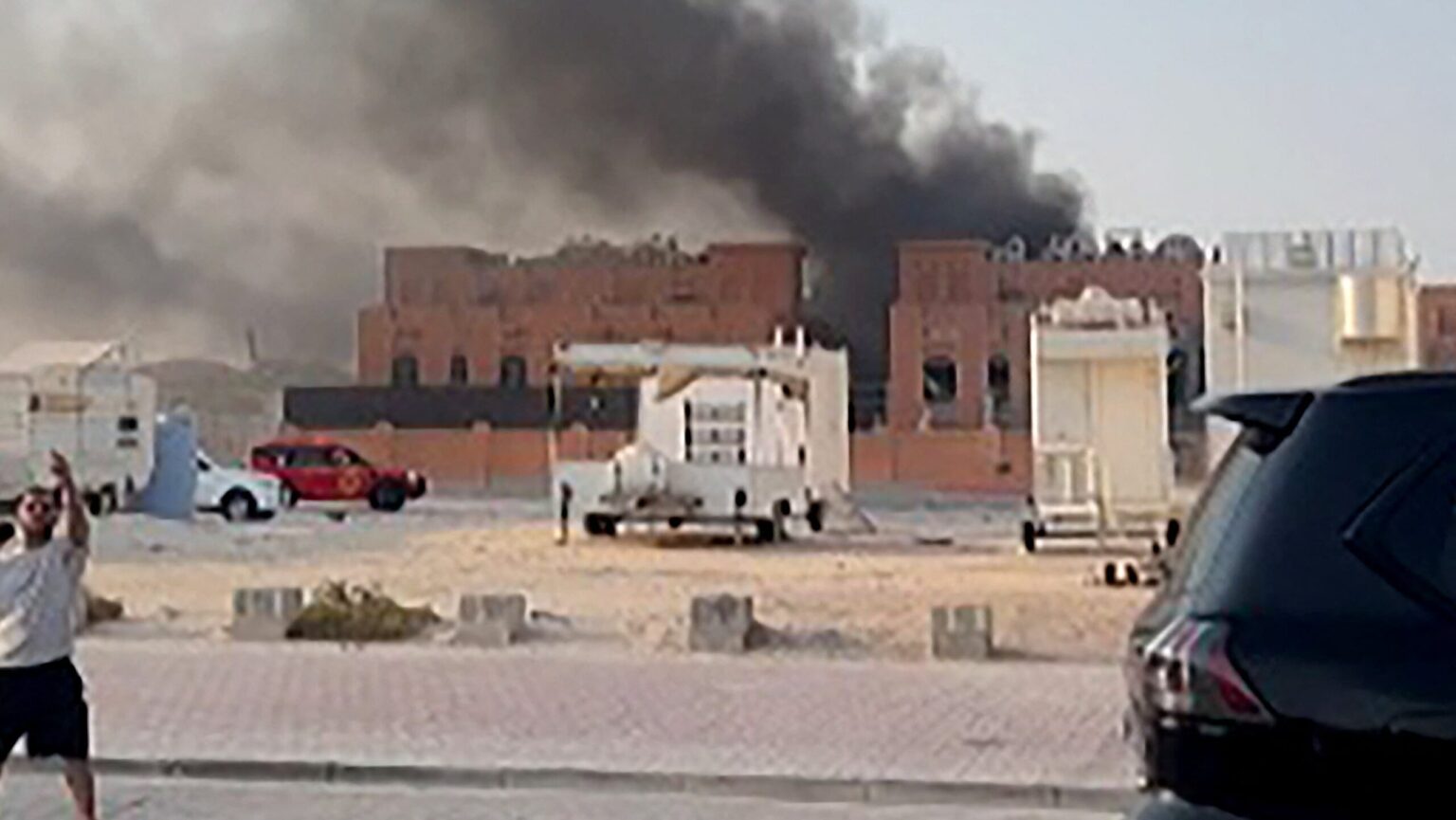
Domestically, Israel—both the ruling coalition as well as the opposition—has largely rallied behind the strike against Hamas leaders in Qatar, a blatant violation of international law and a dangerous escalation that threatens to upend regional stability.
What stands out is that this broad Israeli consensus, both official and unofficial, reflects an internal unity that overrides concerns about the operation’s security consequences. The Israeli opposition has effectively endorsed Prime Minister Benjamin Netanyahu’s decision, revealing the fragility of its own position and emphasizing that, when it comes to security matters, Israel tends to unite behind the government. This reality makes it clear that any meaningful change driven by the opposition is highly unlikely. Netanyahu’s actions fit within a pattern of confronting all adversaries, a strategy that may persist if his government continues to embrace, or even codify, a policy of creating facts on the ground by occupying the entire Gaza Strip—a move that would likely strengthen his popularity ahead of upcoming parliamentary elections.
It is expected that military leaders will eventually call for restraint, but the political echelon is pressing forward to counter claims that the government has no political vision and relies solely on military force. By targeting members of Hamas’ political bureau, the Israeli government signals that it is shifting the equation, seeking to impose a new reality on Hamas, force concessions, end the group’s rule both at home and abroad, and escape a cycle of fruitless negotiations and proposals. This latest strike may embolden Netanyahu to translate his rhetoric into concrete action beyond Gaza, pursuing the concept of a Greater Israel and expanding Israel’s strategic reach with the backing of a president who has openly stated his belief that Israel’s borders should be enlarged.
Such an approach could foster internal cohesion, help resolve Israel’s ongoing political crisis, and neutralize the confrontation between Netanyahu and the opposition, which appears unprepared to adapt to an emerging reality framed as essential to safeguarding Israel’s security. It might even sideline calls to form a national unity government by allowing Netanyahu to focus on advancing Israel’s regional ambitions, starting with Gaza. In this context, Netanyahu will likely double down on mobilizing public support, promoting the idea that his government’s military campaign will bring back the hostages and secure the nation, and urging Israelis to unite behind his leadership. He will exploit the situation, regardless of its immediate outcomes, to delay the start of his corruption trial, arguing that wartime conditions warrant a postponement—buying him valuable time to bolster his popularity.
At the same time, he will pressure domestic power centers, including the military’s General Staff, to confirm the government’s commitment to continued military operations, ensuring that military imperatives overshadow political dialogue until Gaza City is fully occupied and Israel’s security terms are imposed on all parties. Yet this strategy hinges on the recovery of hostages through military action, a goal fraught with difficulty and the risk of casualties that could spark public outrage and turn opinion sharply against the government.
Such an outcome would expose the limits of Netanyahu’s political narrative and might force him to explore alternatives outside his current security and political framework. For Hamas’ Political Bureau, the strike presents a serious political dilemma, exacerbated by internal divisions and conflicting strategies among its leaders abroad. A hard-line faction led by Nizar Awadallah and Khalil al-Hayya insists that any agreement must begin with an Israeli withdrawal from Gaza and a comprehensive ceasefire, favoring an all-or-nothing final settlement.
Other members have shifted from advocating a phased approach to accepting a single-package deal, while a more pragmatic current favors partial calm, compromise solutions, internal rebuilding, and a willingness to consider ceasefire proposals in exchange for the redeployment of Israeli forces. Meanwhile, Qatar’s role as mediator remains critical. Having established itself as a trusted broker capable of convening adversaries, Qatar is unlikely to abandon its mediation efforts despite growing challenges to its neutrality. The United States continues to view Qatar as a vital player in the negotiation process, and President Donald Trump is determined to keep open communication channels with Doha to maintain his administration’s influence in shaping the region’s fragile balance.
Tarek Fahmy (translated by Asaf Zilberfarb)