
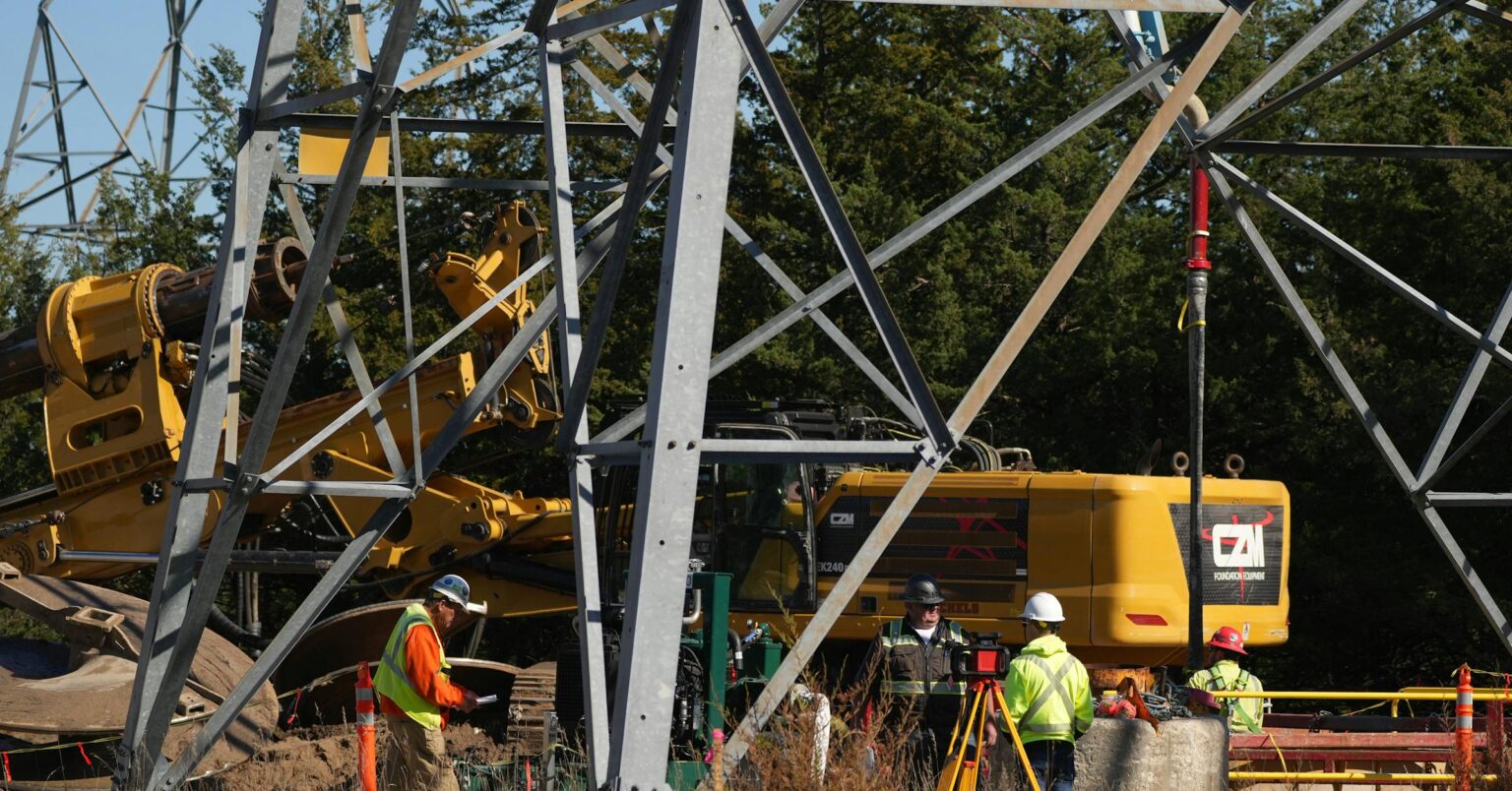
Earlier this month in Becker, Great River Energy and Minnesota Power broke ground on the first project in a package approved by MISO in 2022. Workers poured concrete for the foundation of a utility pole, part of the “Northland Reliability” transmission line. It will eventually carry electricity generated by wind, solar and other sources more than 180 miles from central Minnesota to a substation near Grand Rapids.
“It is all about keeping the lights on and keeping the grid stable and safe,” said Priti Patel, who oversees transmission for Great River, which supplies energy to rural electric cooperatives throughout the state. “Especially during the coldest days in the winter.”
These projects improve the grid’s ability to share electricity, which helps if, for example, the wind is blowing in one part of the country but not another. It’s also crucial when demand for energy spikes in one part of the grid because of extreme weather, said Hwikwon Ham, a political independent on Minnesota’s PUC.
Xcel described the projects as “effectively creating the Eisenhower Interstate System for electricity for the region” in a letter to federal regulators.
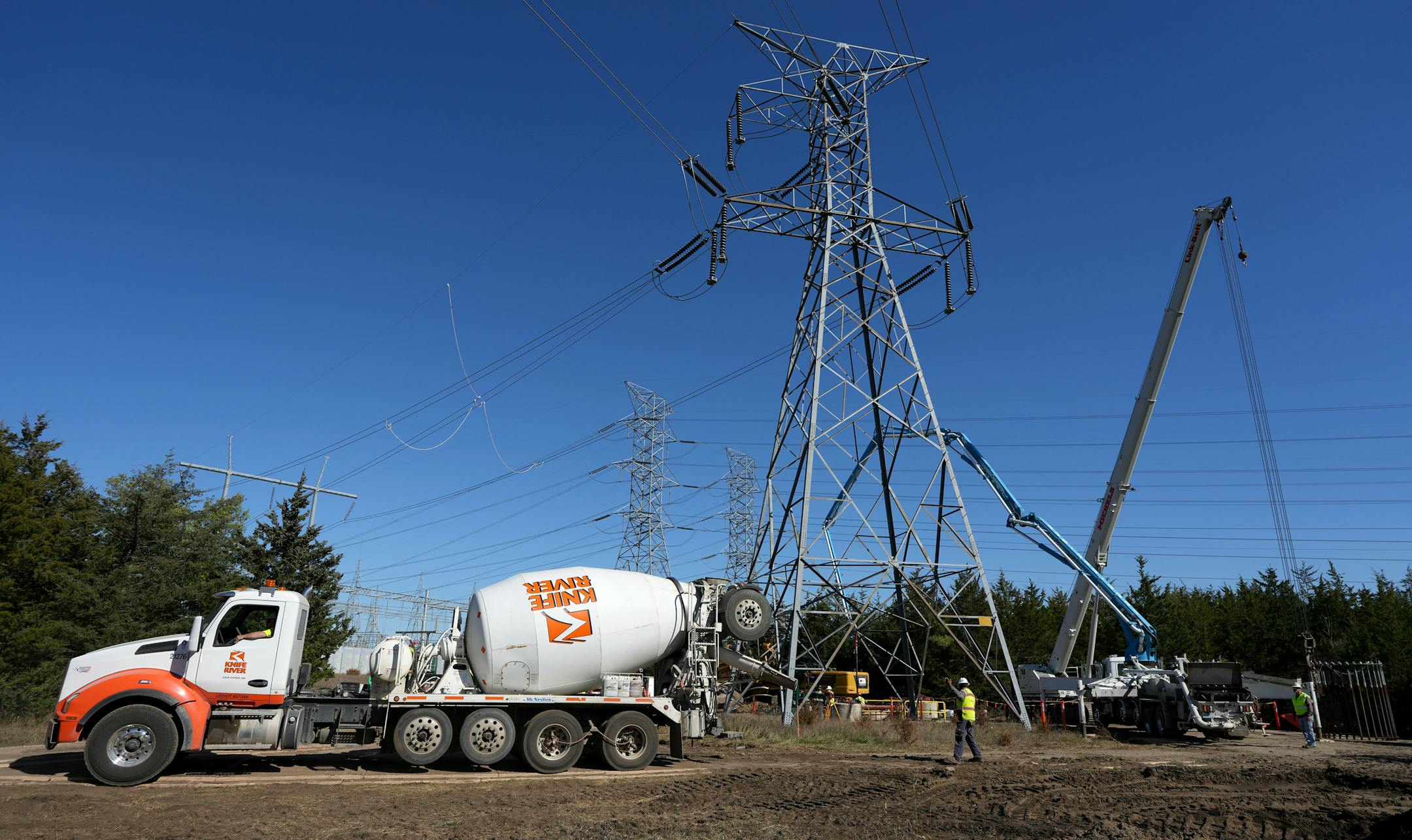
Crews guide a truck into place as they work to pour a power pole foundation for the Northland Reliability Project in Becker. (Anthony Soufflé/The Minnesota Star Tribune)
North Dakota, Montana, Mississippi, Louisiana and Arkansas lodged their complaint in July with the Federal Energy Regulatory Commission (FERC). The states argued that MISO’s calculations of benefits from the projects are overblown, and as a result, the cost paid by local utility customers would be unreasonable.
The states also object to paying for clean energy.