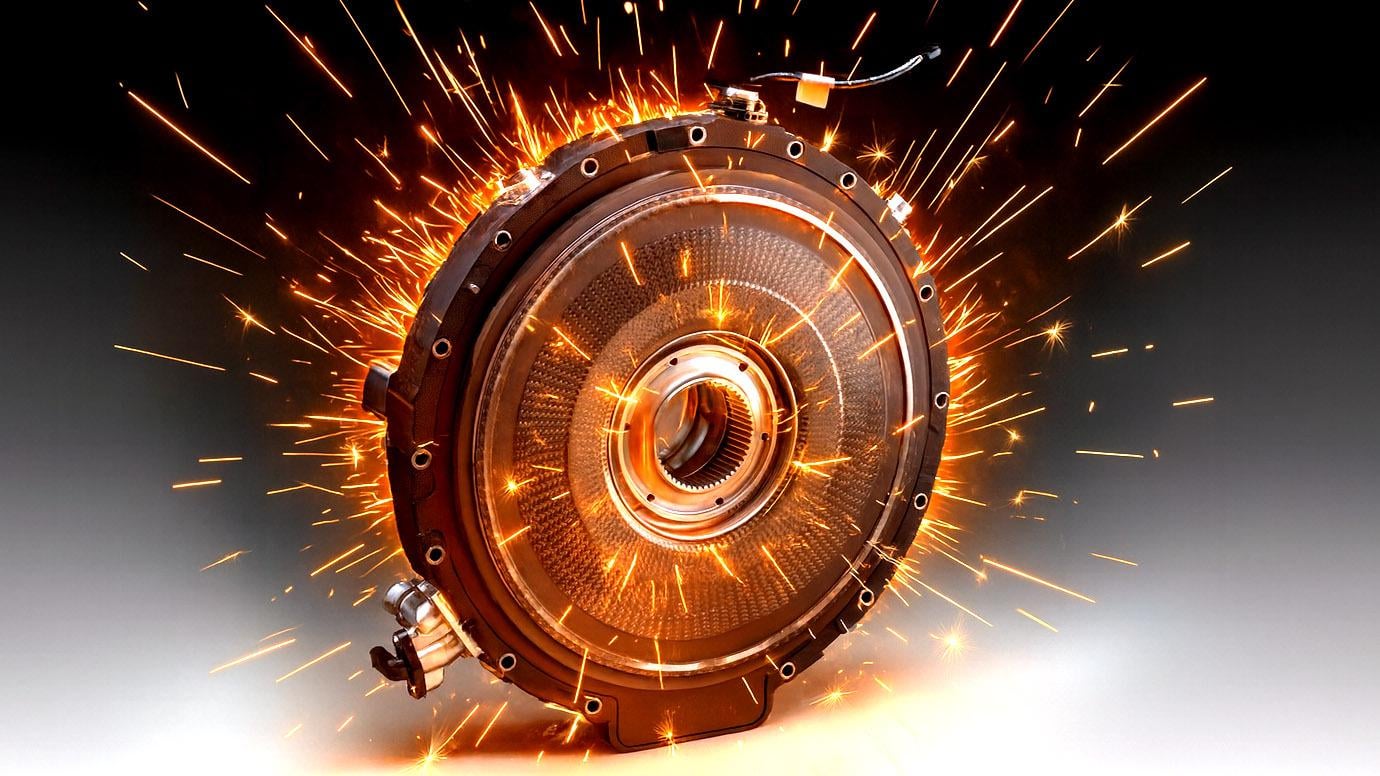
This is yet another advancement towards electrification of transport systems: cars, bikes, even drones.
Mercedes’ Axial Flux Motor Weighs Less Than A Toddler And Makes Over 1,000 HP

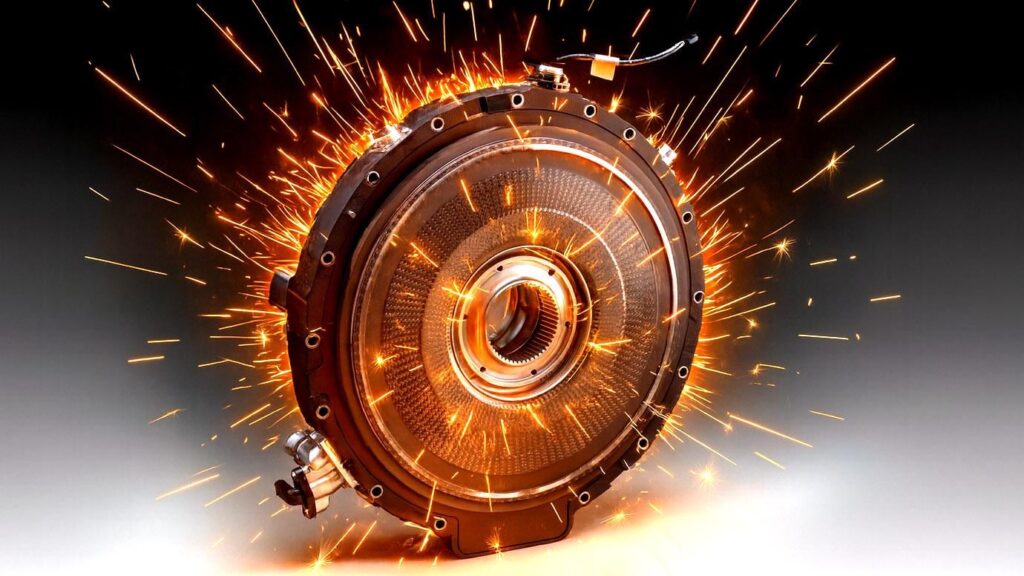
This is yet another advancement towards electrification of transport systems: cars, bikes, even drones.
Mercedes’ Axial Flux Motor Weighs Less Than A Toddler And Makes Over 1,000 HP
18 Comments
That’s not super impressive without continuous ratings.
Any motor can be a 750kw motor for a second.
YASA, a Mercedes-Benz subsidiary, has set a new benchmark for electric motor performance with its latest axial flux motor prototype. The key achievement is a dramatic increase in power density, making the motor both extremely lightweight and powerful.
YASA’s motor uses an axial flux design, which is fundamentally different from the radial flux motors used in most EVs today. The technology will be used in the high-performance automotive sector. Mercedes-AMG will feature YASA’s axial flux motors in its next-generation electric vehicles, starting with models based on the AMG.EA platform.
This breakthrough in power density is a significant step forward not only for EVs, but could be adapted to even drones in the near future.
I suppose that’s pretty impressive, but the measurement matters quite a lot.
Are we talking US Imperial toddlers, or metric toddlers?
Are we talking a big toddler or a small one?
I mean, when we are talking about weird measurements, I’m all for using dead bodies when talking about trunk space, cause really, it will average out.
But one dead…. Sorry, not dead toddler, there’s so much, wiggle room, so to say.
So what I’m getting from this is if you had a toddler of sufficient weight, they’d generate over 1000 HP. Science is amazing.
If only AI image is not used.
This video is on similar one, not just 1000.
https://www.youtube.com/watch?v=OJIRKgkhdZ8
Great Scott!? All we need now is a flux capacitor to capacitate all the flux coming out of the axial thingamabob and then… go 88 miles per hour
“The hole is the size of 3 washing machines.” FFS, just use some actual measurements…
Axial flux is a buzz term in the EV space. Also, any electric motor can be bursted for any amount of ho for a certain amount of time. It may be 10s at 1000hp or it could be .000000000001s at 1000hp and then it goes boom.
I’m going to need to know what the mass of a standard toddler is before I can react to that headline. 👶⚖️
Can’t wait to have a 20kg motor in a 2000kg SUV. Woo america…
That’s cool, my Nissan Leaf motor makes 104 hr 🙂 and weighs 100 pounds more
I wonder what is meant by “exotic” for the magnet reference, and also if they mean non-RE, than are they using something like those newish Iron Nitride magnets?
I have an article sitting on my desk at work from about three years ago talking about YASA and their axial flux motors. It’s some pretty cool technology, glad to see that the prototypes I read about are finally making their way to production.
For anybody curious, the key component that makes these motors so power dense is the use of soft magnetic composites instead of your typical electrical steel laminations. It’s basically a powdered metal form of electrical steel that can be formed into the complicated shapes needed to make an axial flux topography reasonably manufacturable.
Please tell me there’s a capacitor.
Owner: my merc won’t start.
Garage: you need a new flux capacitor.
Chewie: Rarghhhggghhgghhhghhhh.
Could be useful in converting Semi trucks away from diesel
Lightweight motors are only one part of the thing holding significant EV range – the other is battery weight. If we could halve the weight of batteries it would make getting long range EVs significantly easier as well as making enthusiast oriented cars more fun.
Is it just me- comparing weight of a motor to a toddler sounds strange