
Published on
October 25, 2025

Black Sea 2030 Forum was held successfully in Burgas, Bulgaria, on October 24 to October 26, 2025, with the participation of government representatives, businesses, academia, and non-governmental organizations from all over the Black Sea region. The event was highly prestigious and dealt with the sustainable development of the region, addressing the urgent issues of green transition, protection of the marine environment, adaptation to climate change, and integration of digitalization and innovations in the blue economy. One of the key subjects of debate was how to balance tourism development with environmental sustainability, so that tourism remains prosperous while maintaining the region’s distinctive ecological and cultural heritage.
Bulgaria as a Gateway for Sustainable Tourism Development in the Black Sea
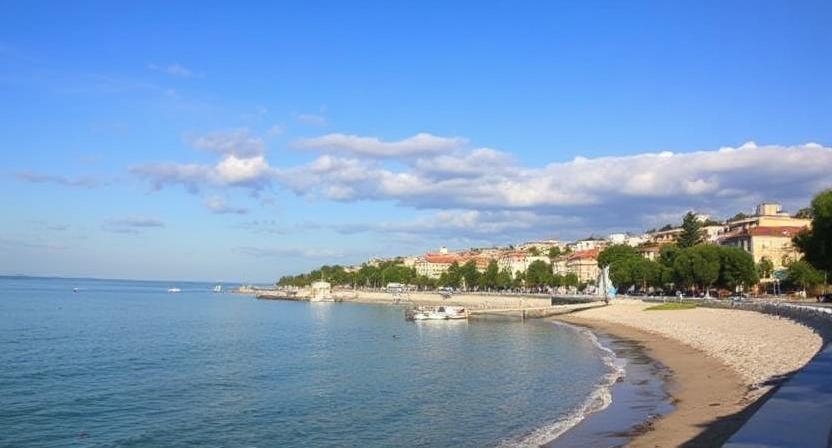
Bulgaria, with its stunning coastline along the Black Sea, is strategically positioned as a key player in promoting sustainable tourism in the region. The Burgas Municipality hosted this crucial forum to highlight Bulgaria’s role in fostering eco-tourism and green economy practices. Mayor Dimitar Nikolov emphasized that despite the challenges of geopolitical instability in the northwestern Black Sea region, the people of Burgas remain resilient and committed to transforming their city into a hub for innovation, science, and sustainable development.
The forum provided an invaluable platform for regional cooperation, with discussions centered on how tourism can be harmonized with environmental protection. Bulgaria, alongside other Black Sea nations, is actively promoting eco-tourism initiatives that focus on natural resource preservation while offering tourists unique cultural and natural experiences. The partnership between Bulgaria and its Black Sea neighbors aims to establish sustainable tourism as a cornerstone for the region’s economic and cultural development.
A Call for Bold and Responsible Solutions to Protect the Black Sea’s Tourism Potential
The forum underscored the urgency of adopting responsible solutions to address the region’s environmental challenges, particularly in relation to tourism. Zhecho Stankov, Bulgaria’s Energy Minister, stressed that bold ideas and technologies are essential for restoring rather than damaging the environment. “The Black Sea needs innovative technologies that do not destroy but restore, and policies that transform rather than just adapt,” Stankov said during his video address. His message highlighted that tourism and environmental protection must go hand in hand if the region is to remain an attractive destination for international visitors while ensuring long-term ecological balance.
As Bulgaria continues to strengthen its tourism sector, tourism ministers from across the Black Sea region, including Azerbaijan, Georgia, and Turkey, recognized the need for coordinated efforts to promote sustainable travel practices. By focusing on eco-tourism and cultural heritage tourism, these nations aim to preserve the natural beauty of the Black Sea coast, ensuring that tourism contributes positively to both the economy and environment.
Tourism and Innovation: Driving Sustainable Development in the Black Sea Region
The forum also discussed the role of innovation in transforming the tourism landscape in the Black Sea region. Ekaterina Zaharieva, the European Commissioner for Startups, Research, and Innovation, addressed the importance of scientific research and innovative technologies in sustainable tourism development. “Science and innovation are critical for finding a balance between tourism growth, security, and climate action in the region,” Zaharieva stated. Her emphasis on the role of digital tools and sustainability innovations pointed to a future where tourism can support economic development while safeguarding the environment.
The integration of green technologies into tourism infrastructure, such as eco-friendly accommodations and sustainable travel options, is becoming a priority for Black Sea countries. Bulgaria is already investing in eco-tourism initiatives along its coastlines, and the forum encouraged further collaboration with European institutions to bring forward new sustainable practices and tourism models.
Tourism as a Vital Economic Driver for Bulgaria and the Region
Tourism is a key pillar of Bulgaria’s economy, contributing significantly to its GDP. As the forum emphasized, sustainable tourism has the potential to generate long-term economic growth while maintaining a balance with environmental preservation. The discussions highlighted how Bulgaria, alongside neighboring countries like Turkey and Romania, can leverage tourism to create jobs, stimulate local economies, and foster cultural exchange. By promoting sustainable tourism initiatives, Bulgaria is positioning itself as a responsible destination in the Black Sea region and beyond.
Bulgaria’s focus on green and circular economies in tourism aligns with global trends that emphasize responsible travel and low-impact tourism. The integration of circular economy principles—such as waste reduction, resource efficiency, and sustainable consumption—into tourism practices is crucial for ensuring that future generations can continue to enjoy the region’s beauty without compromising its natural resources.
Universities and Research Institutions Leading the Way in Sustainable Tourism
Burgas State University, with its specialized laboratories and expertise in blue, circular, and green economies, has emerged as a key player in the sustainable tourism sector. Rector Prof. Sotir Sotirov emphasized that universities play a vital role in driving innovation and technological progress in tourism. “Sustainable development and innovation cannot happen without universities, which provide the qualified personnel and scientific knowledge necessary to create solutions for the tourism sector,” he stated.
Through academic research and technological innovation, universities are helping to shape the future of tourism management in Bulgaria and the wider Black Sea region, ensuring that sustainability is at the core of all tourism strategies.
A Collaborative Effort for a Sustainable Future
The Black Sea 2030 Forum in Burgas has laid the foundation for future collaboration between Black Sea countries toward the development of sustainable tourism, economic growth, and environmental conservation. By focusing on innovation, collaboration, and sustainable tourism, the forum has opened the door for Bulgaria and its regional partners to collaborate in developing a greener, more sustainable future for the Black Sea region. While Bulgaria remains at the forefront of sustainable tourism development, its own initiatives to preserve the Black Sea and yet foster tourism will serve to ensure that this critical zone is a flourishing, sustainable destination for international travelers.
