
The Ministry of Health (Minsa), in order to safeguard the health of the population, continues to strengthen monitoring and epidemiological surveillance in areas affected by the Oropouche Virus (OROV).
Blas Armién, National Head of Epidemiology at the Ministry of Health, reported that more than 600 cases have been recorded nationwide to date, leading to increased prevention and control efforts.
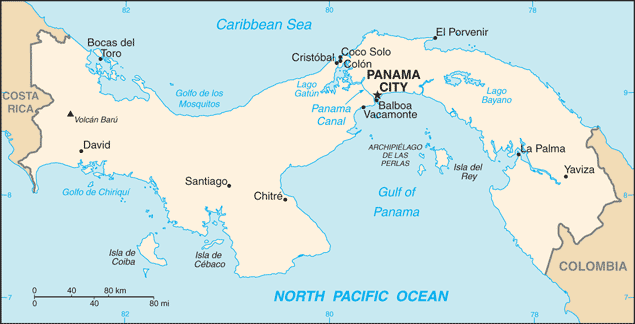
He explained that the first cases were detected at the end of last year and the beginning of this year, corresponding to a variant introduced across the border with Colombia.
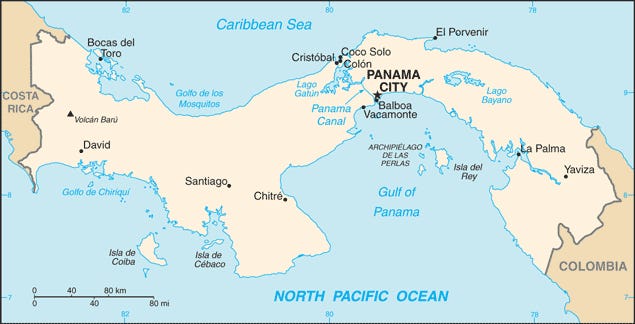
The virus has been identified primarily in the regions of Darién, East Panama, Metro Panama, Los Santos, Herrera, North Panama, Veraguas, West Panama, and Coclé.
“Of the 15 health regions, at least seven have identified the circulation of OROV in the human population,” Armién stated.
The geographic location of OROV cases is determined by the location of the infection, based on the findings of the epidemiological investigation.
The epidemiological surveillance system maintains rigorous monitoring of patients diagnosed with Oropouche, paying special attention to pregnant women and people with neurological symptoms.
In this regard, Armién warned that infection during the first trimester of pregnancy can cause genetic alterations in the fetus, such as hydrocephalus. He also emphasized the importance of attending prenatal checkups, as one case of vertical transmission (from mother to child) has been reported in Panama.
Regarding neurological alterations, he mentioned that cases of Guillain-Barré syndrome and flaccid paralysis may occur.
The Ministry of Health recommends that residents in areas with active transmission of the virus use repellent, wear long-sleeved shirts and long pants, and place mosquito nets or wire mesh on doors and windows. People are also urged to avoid travel to areas with active virus transmission.
The most common symptoms of Oropouche include sudden onset of high fever, intense headache with photophobia, muscle and joint pain, and, in some cases, skin rashes (exanthemas). Because it presents symptoms similar to dengue, a specific diagnostic algorithm is used to distinguish the two diseases.
The Oropouche virus belongs to the Orthobunyavirus oropoucheense species, family Peribunyaviridae, and is primarily transmitted by Culicoides paraensiso (known as the midge or chitra), although the Culex quinquefasciatus (culex) can also act as a vector.
Confirmed cases by region: To date, 613 cases have been confirmed nationwide, distributed as follows: Darién, 312 cases; East Panama, 275 cases; Veraguas, 17 cases; Metro Panama, 4 cases; North Panama, 2 cases; West Panama, two cases, and Coclé, one case.
The Ministry of Health reiterates its commitment to keeping the population informed and continuing to strengthen surveillance, control, and prevention efforts against the Oropouche virus.