
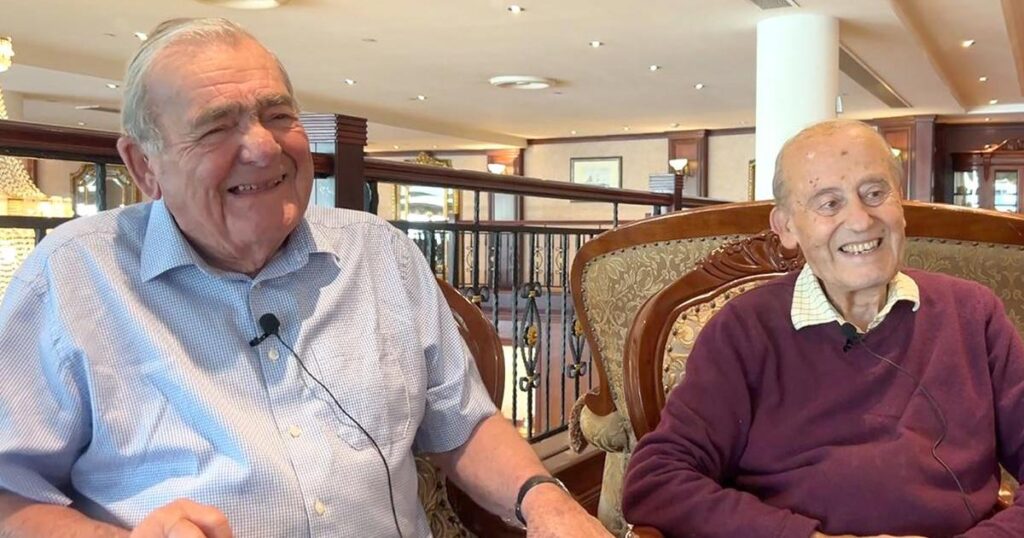
Forged in wartime and sealed over football games under fire, Martin Scicluna and Michael Rapinet’s friendship has lasted longer than the existence of the Soviet Union, over 80 years.
They first met as young boarders at St Edward’s College during World War II, “a pretty grim school at the time,” as Rapinet recalls. Despite the bleak backdrop, the pair struck up a friendship that has lasted over eight decades.
Rapinet, now based in the UK, recently returned to Malta to celebrate a joint milestone with Scicluna, as both marked their 90th birthdays. The lifelong friends sat down with Times of Malta to reflect on their journeys.
Scicluna is a former president of Din l-Art Ħelwa, a former Times of Malta columnist and has a wealth of experience in defence and foreign affairs.
Rapinet is a retired judge, former legal counsel to the Maltese High Commission, and founder of a trust for care homes with the Order of St John.
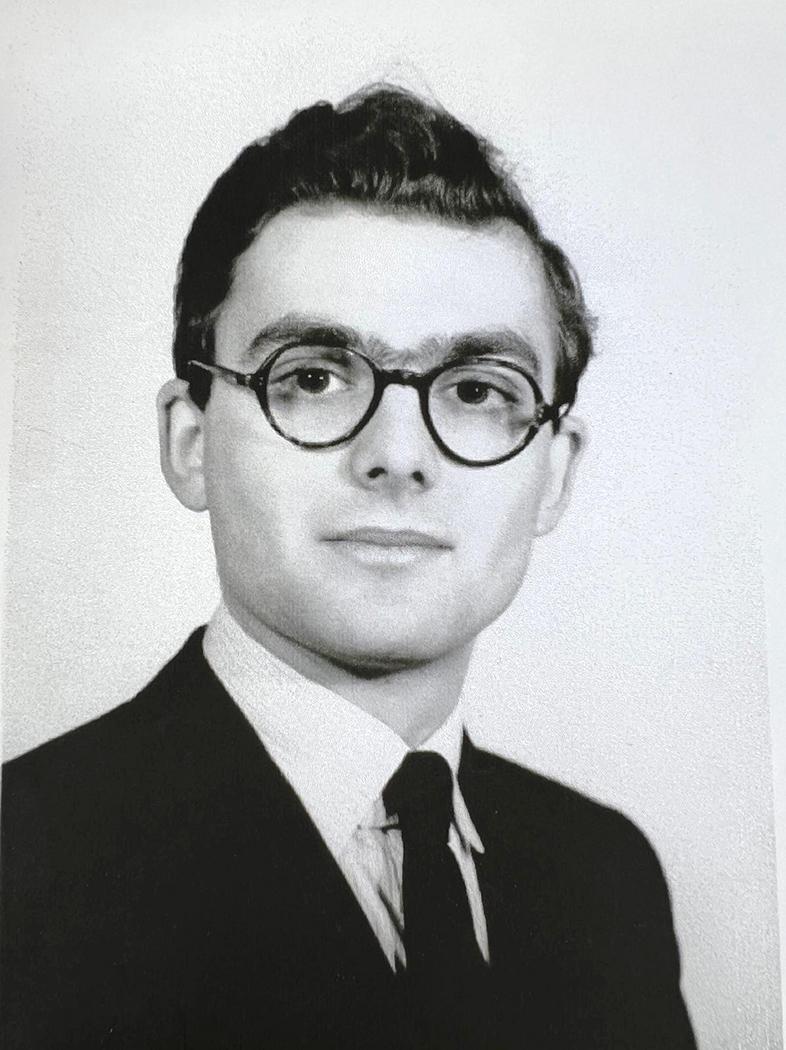 Michael Rapinet
Even in wartime, the two recall oddly fond memories. “We used to go down and play football in the moat and then occasionally the Germans would come over and sort of start firing at us,” Rapinet said, as Scicluna laughed on.
Their friendship began when they were just seven or eight, with Sliema and the college grounds as the backdrop. The memories of innocent childhood moments were often juxtaposed with harsh wartime realities.
Scicluna recounted one particular story he described as his “first and biggest mortal sin”. His father had discovered eggs were for sale at a farmhouse in St Julian’s, a rare find at the time.
“I dropped one of them on the way and smashed it to the ground. I was never forgiven for that. It was a great, great mortal sin,” he said more than 80 years later.
According to Heritage Malta, by October 1942, around 100,000 people were queuing up for meals from the Victory Kitchens.
“I remember them with absolute disgust. I told you I’m a very fussy eater and always have been, and the food was just inedible, but it was all we had to eat,” Scicluna recalled.
I think our politics is unchanged, in the sense that there are still these two parties and they just cannot see eye to eye even on things which should benefit Malta. And that I cannot understand- Martin Scicluna
Rapinet added: “They had a cauldron out on the streets. Goats and all sorts of stuff boiling away. You would get a ladle of it and a slice of bread.”
Despite the inedible food, the pair described growing up in wartime Sliema as “very exciting, great stuff”, watching dogfights in the sky for entertainment and living through air raids.
Scicluna remembers emerging from a shelter to find Barclays Bank bombed, grabbing what he believed were £5 notes in the rubble, only to discover they were receipts.
Rapinet recalled returning to his family’s home on Howard Street to find only the façade still standing.
“We were in the public shelter, which ran down Howard Street, and when we came out, we opened our front door and there was nothing behind. The façade was intact, and the rest of the house was completely demolished,” he said.
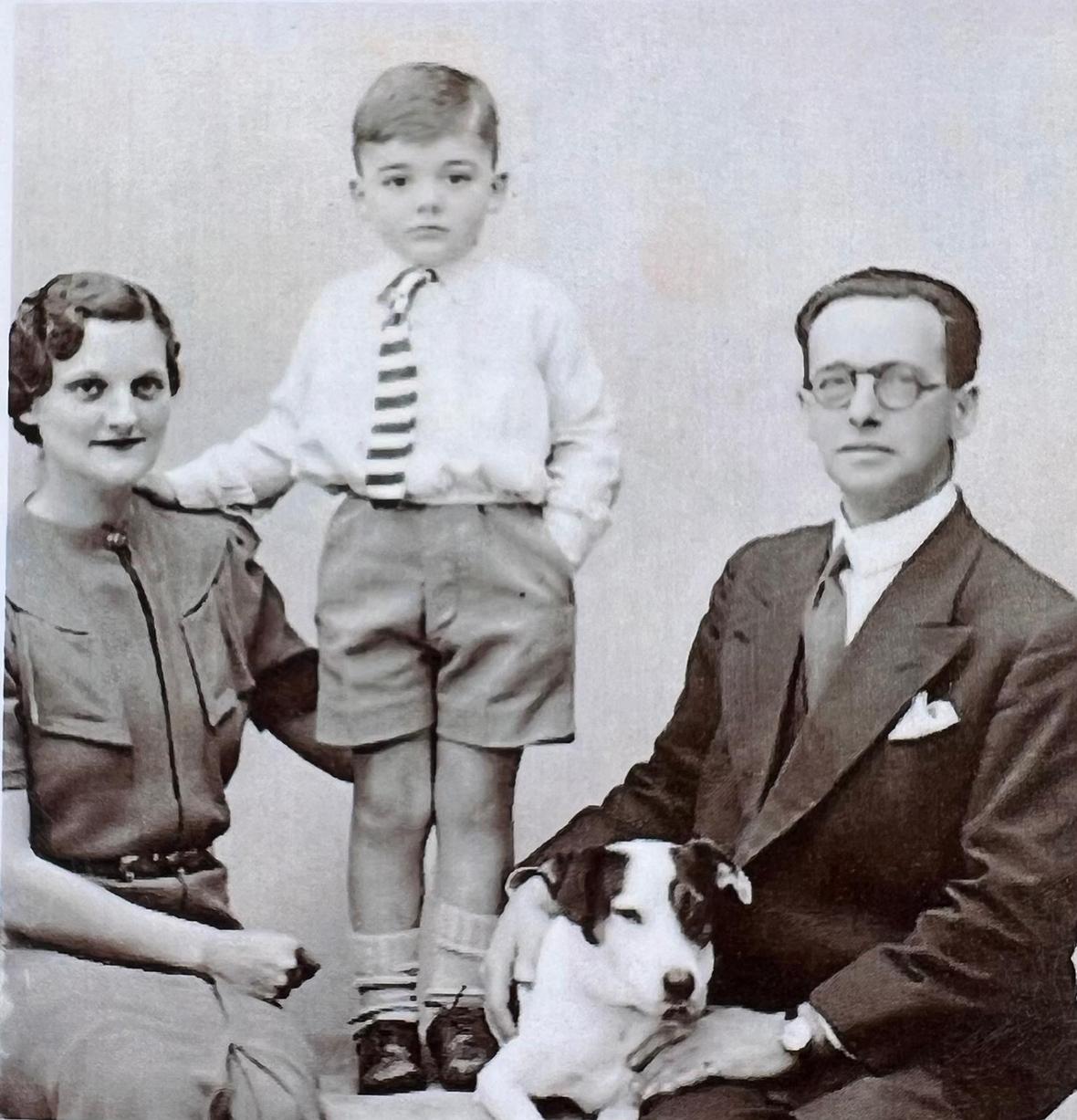 Michael as a little boy. Photo: Rapinet family
Friends’ paths diverged after the war
Their paths diverged after the war. Rapinet moved to England, where his parents were from, and began his legal career while Scicluna enrolled at Sandhurst. But their bond deepened years later when Rapinet married Scicluna’s “favourite cousin”, Tina.
Rapinet opened his own law firm, became a judge specialising in migration cases, and later helped found a trust with the Order of St John providing care homes for the elderly.
“And it’s now the biggest work of the Order in England. We’ve got about 3,500 in our care and a staff of about 4,000,” Rapinet said proudly, noting both he and his late wife Tina were honoured by the Order for their work.
Scicluna, after leaving the army in the early 1970s, worked with the Ministry of Defence, the Foreign Office and the UK’s NATO delegation, retiring in 1995 as assistant undersecretary of state.
He went on to lead Din l-Art Ħelwa and wrote regularly for Times of Malta, where he popularised the term “uglification”, in reference to rampant development.
Scicluna is blunt. “We built wherever we could and changed the whole atmosphere in Malta,” he said.
The trouble is one is so proud of Malta and so proud of being Maltese. It’s so nice to bring your friends out to show them around and you do so with pride. And then it’s all spoiled and they’re just battling away down Republic Street- Michael Rapinet
While areas like Mdina, Rabat and the Grand Harbour have been preserved, he believes the rest have not been protected. “All those high-rise buildings have really altered the whole character of Malta. And that’s what I regret. And that’s what I tried to fight against.”
“But the fact of the matter is that we, as Maltese, all love to invest our money in property. That’s what we want,” he added. “All we can do now is protect what we have left.”
Rapinet, meanwhile, said he and his family retreat to Gozo, which he described as “unspoilt”. While acknowledging tourism’s contribution to the economy, he believes it has gone too far.
“The trouble is one is so proud of Malta and so proud of being Maltese. It’s so nice to bring your friends out to show them around, and you do so with pride. And then it’s all spoiled and they’re just battling away down Republic Street.”
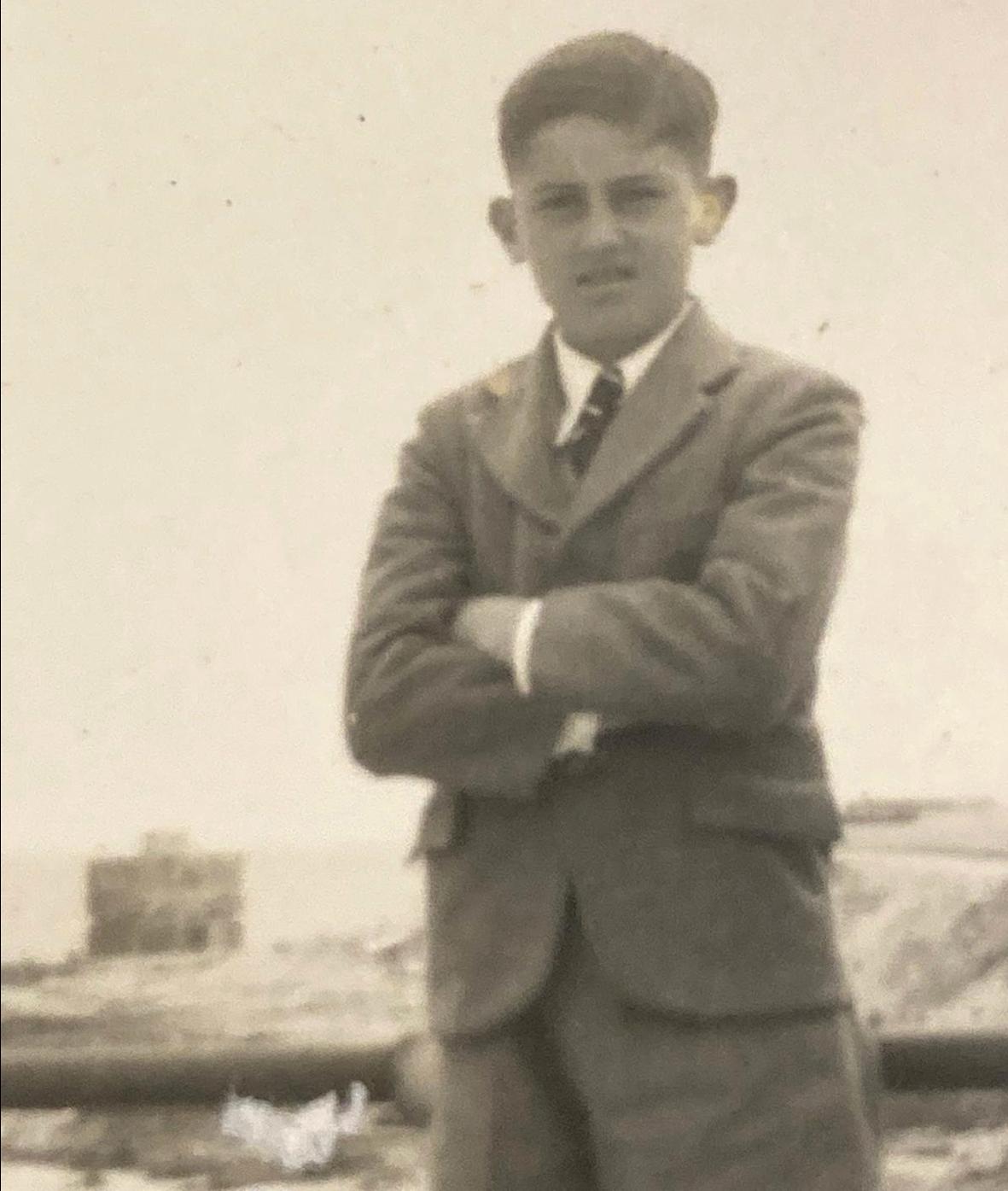 Martin Scicluna as a young boy. Photo: Scicluna family
The state of politics
In later writings, Scicluna expressed praise of Muscat’s government, but this put him at odds with many of his own readers, including Daphne Caruana Galizia, leading to a public clash.
Of Caruana Galizia, he said: “A wilful person. She hated anything which contradicted her own conception of what life in Malta should be like. She was also a great snob, which I didn’t like at all.” But he added that they had a “great correspondence” after one of his articles more than a decade ago.
Despite the criticism, he insists he always tried to remain neutral. “I tried not to be partisan. All my training in life was not to be partisan,” he said.
“I think our politics is unchanged, in the sense that there are still these two parties and they just cannot see eye to eye, even on things which should benefit Malta. And that I cannot understand,” he said.