
Published on
October 24, 2025

As tourism continues to rise globally, countries facing the challenges of overtourism have begun introducing higher tourist taxes and fees. This has caused a significant shift in the cost of travel for tourists, with four popular holiday destinations leading the charge. These new charges come as part of the broader efforts to control visitor numbers and safeguard the local infrastructure.
Tourist Taxes Surge Across Leading Destinations
Japan, which has seen a sharp rise in international tourism, is one of the countries taking action by overhauling its tourism policies. Starting in 2026, foreign travelers will be required to pay higher departure taxes and visa fees. Currently, a single-entry visa to Japan costs around £15. However, the Japanese government plans to significantly increase this fee. Similarly, departure taxes, which are currently set at £7, are expected to rise to around £25. This increase will help manage the growing pressures that tourism places on local resources and maintain infrastructure vital for tourism.
Spain and Its Efforts to Manage Tourists
Spain is another key destination facing the effects of overtourism, especially in its high-traffic regions. Catalonia, home to the popular city of Barcelona, will see a notable increase in its daily tourist tax. As of October 2025, the rate will climb to €15 per day, positioning it among the highest in Spain. This move comes as a direct response to the increasing number of visitors, which has placed considerable stress on local services and the city’s infrastructure. The rise in the tax reflects Spain’s efforts to balance the benefits of tourism with the environmental and logistical challenges it brings.
Venice Expands Tourist Tax to Handle the Crowds
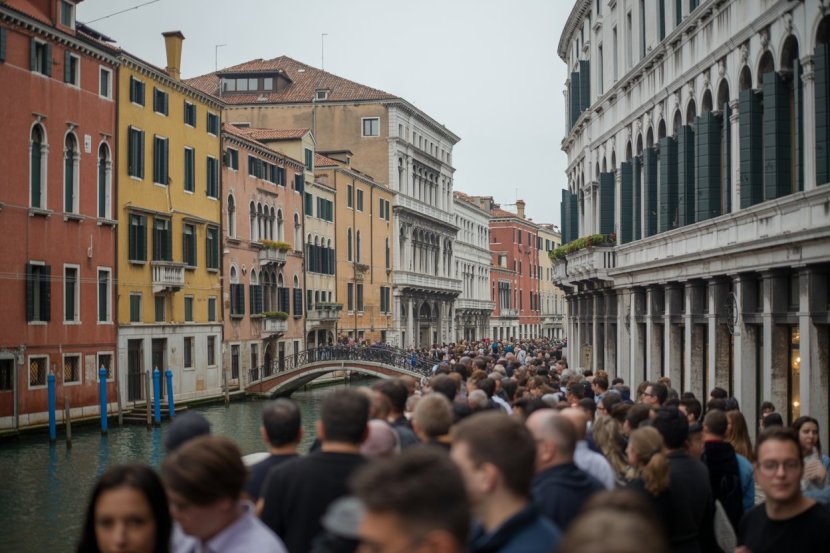
In Venice, the situation is similar. Known for its unique canals and rich history, the city attracts millions of visitors every year. To curb the strain of overtourism, Venice has extended its day tourist tax. The tax now applies to more months of the year, including the peak season from May to October. The extension of the tourist tax aims to control the influx of visitors during these busy periods. The city is also aiming to deter day-trippers who contribute little to the local economy but add significant pressure to its resources. Charges range from €5 to €10 depending on how tourists register, making it one of the most proactive approaches to managing overcrowding in popular travel destinations.
Norway Considers Imposing Hotel Taxes
Lastly, Norway is exploring the possibility of imposing a tourist tax of up to 5% on hotel stays and accommodations in regions like Tromsø and the Lofoten Islands. These areas, known for their stunning natural landscapes, are increasingly attracting visitors, which has led to concerns about the long-term sustainability of tourism. The proposed tax would target the growing number of tourists flocking to these destinations, providing additional funds to help manage the impact of high visitation.
Implications for Tourists
The trend of increasing tourist taxes across popular destinations has sparked concerns for travelers, who are already facing rising travel costs. These taxes contribute to the overall expense of traveling to these destinations and can significantly increase the cost of a holiday. With taxes rising in countries like Japan, Spain, Venice, and potentially Norway, tourists are now grappling with the financial implications of these changes.
As more countries move toward implementing such taxes, travelers may need to reconsider their holiday plans or adjust their budgets accordingly. While these taxes are designed to preserve local resources and manage the environmental impact of mass tourism, they represent an additional financial burden for tourists.
The Growing Trend of Tourist Taxes
As countries continue to adjust their tourism policies in response to overtourism, we can expect more destinations to follow suit. The rising number of travelers worldwide has placed considerable pressure on destinations that were once seen as idyllic retreats but are now struggling to cope with the influx. In response, higher taxes, including entry fees, hotel levies, and departure taxes, are being implemented to maintain the balance between tourism and sustainability.
In conclusion, tourists who traditionally frequent these popular destinations, must prepare for an increase in travel expenses. While these changes may help safeguard the future of these iconic locations, they highlight the shifting landscape of global tourism. Travelers will need to factor in these new costs when planning their next trips, ensuring that they can still enjoy the rich experiences that these destinations offer without the financial strain of new taxes.
Image Source: AI
