
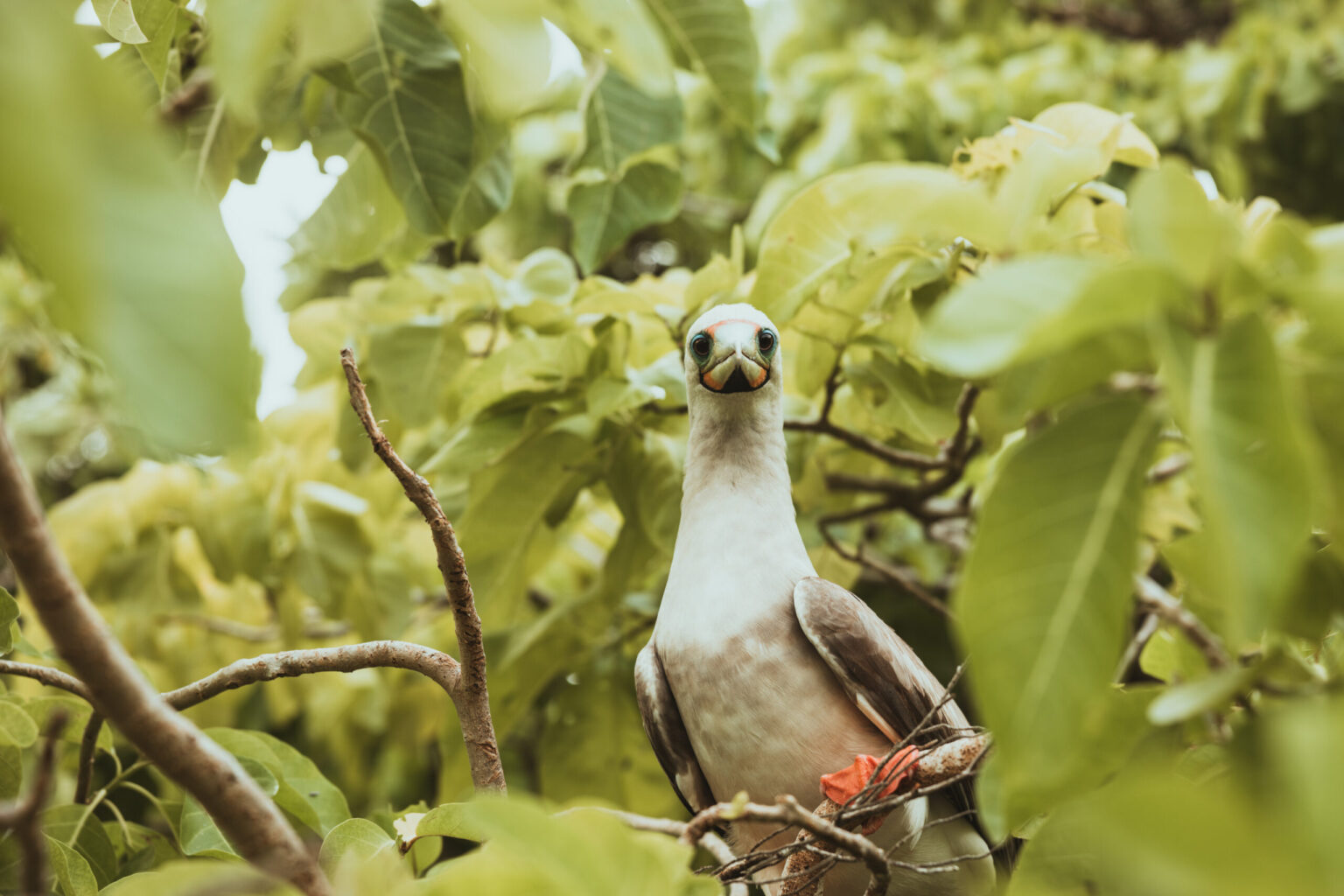
The study pinpoints major knowledge gaps – particularly in overlooked habitats like mangroves, seagrass beds, and oyster reefs – and urges greater integration between marine and terrestrial research.
“Seabirds influence ecosystems across vast spatial scales, yet many of their marine impacts remain understudied,” said Dr Casey Benkwitt of Lancaster University. “Understanding these connections is essential for effective conservation.”
The study’s authors have emphasised that seabird recovery offers one of the most powerful nature-based solutions available. Proven interventions – such as invasive species eradication, social attraction, and chick translocation – can all re-establish lost nutrient flows and restore ecosystem balance.
“We now have the science to show that seabird restoration is one of the most effective tools for ecosystem recovery,” said Stephanie Borrelle, Marine and Pacific Regional Coordinator at BirdLife International. “By reconnecting nutrient pathways, we can rebuild resilience in both island and marine systems.”
Ranging from remote sensing to eco-acoustics and environmental DNA, emerging technologies are transforming how scientists monitor seabird impacts across ocean and island environments. But the study’s authors caution that data alone will not save seabirds.
“Seabirds are deeply woven into the cultures of coastal and island peoples,” says Laura-Li Jeannot, a PhD researcher at Lancaster University. “Future research must embrace Indigenous and traditional ecological knowledge to create a more holistic picture of the circular seabird economy.”
As seabird populations decline, the stakes for ocean and island ecosystems rise. Understanding and restoring these nutrient pathways could unlock cascading benefits – for coral reefs, fisheries, coastal protection, and the communities that depend on them.