
The decision by the National Assembly of Republika Srpska to appoint Ana Trisic Babic as acting president and simultaneously withdraw a controversial set of laws was the moment when the multi-year political conflict in Bosnia broke before the eyes of the public.
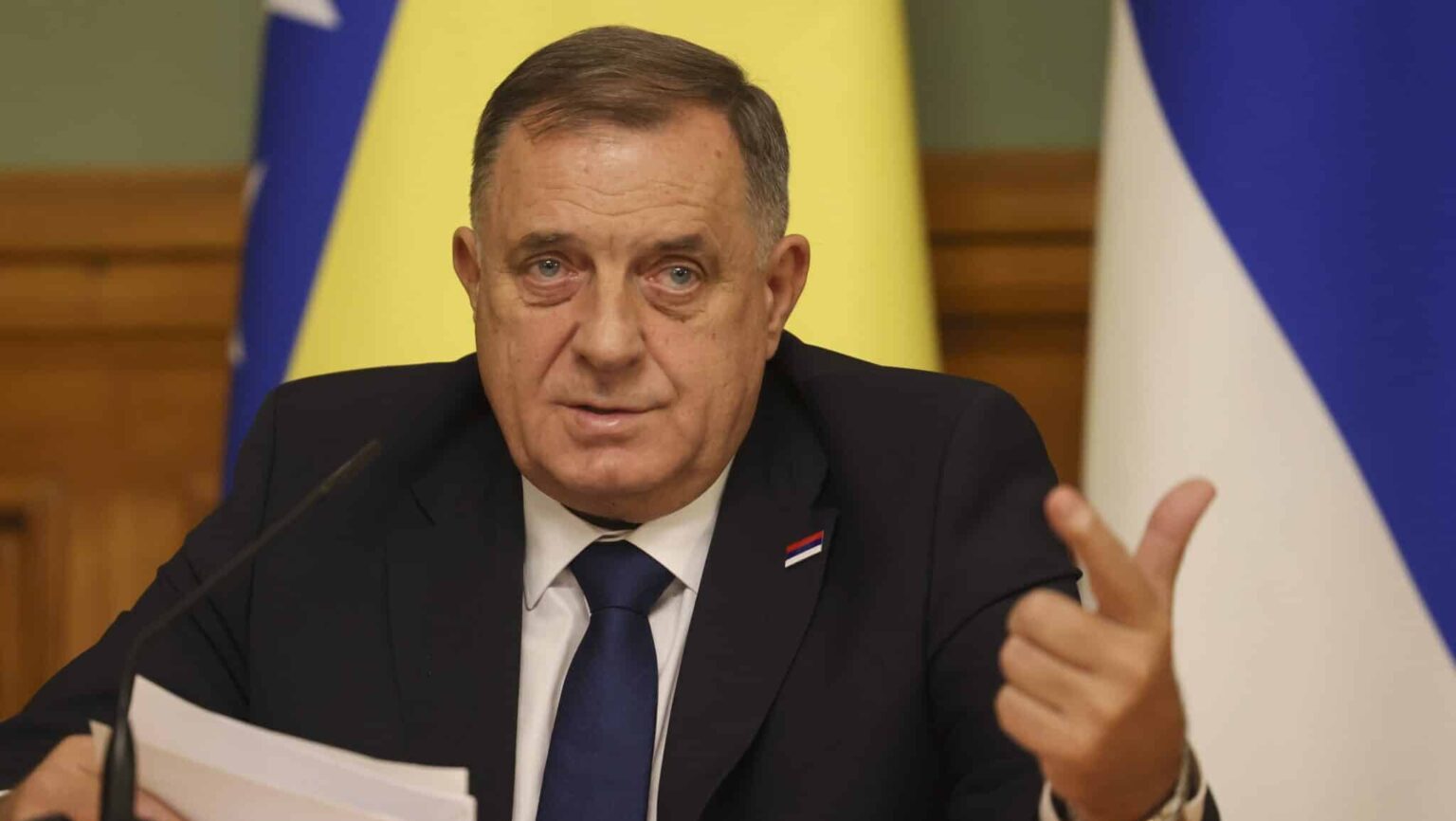
At first glance it looks like the capitulation of Milorad Dodik. The reality is more nuanced. It is a carefully measured retreat under the pressure of domestic and international factors, a move that opens the door to a new phase of political negotiations, to a redistribution of power within Republika Srpska and, potentially, to a quiet geopolitical shift that could shape future relations in the region.
The verdict handed down by the state-level Court of Bosnia and Herzegovina, which sentenced Dodik to a year in prison – which was replaced by a fine – plus a six-year ban on holding public office, represented a point of no return in his political conflict with state institutions.
Soon after, the Central Election Commission annulled his mandate as president of Republika Srpska. The entity assembly reacted quickly: it withdrew laws that directly ignored decisions of the state court and the High Representative, the international overseer of the continued implementation of the Dayton peace agreement, thus avoiding a direct collision with domestic and international authorities.
In a political sense, Dodik has formally stepped down. But essentially, he continues to pull the strings. By appointing a longtime associate, Trisic Babic, as head of Republika Srpska, and by maintaining control over key institutions and resources, he is trying to preserve his power from the shadows – adapting to the new rules of the game, but not giving up on it.