
Published on
October 28, 2025
By: Paramita Sarkar

As the European Union accelerates its push for carbon-neutral aviation, major European airlines are expressing significant concerns over the feasibility of the ReFuelEU Aviation initiative. This legislation mandates that, starting in 2025, a minimum of 2% of jet fuel at EU airports must be Sustainable Aviation Fuel (SAF), with targets increasing to 6% by 2030 and 70% by 2050.
What Happened?
Under the umbrella of Airlines for Europe (A4E), a coalition of 17 major carriers—including Ryanair, Lufthansa, Air France-KLM, easyJet, and International Airlines Group (IAG)—have formally requested the European Commission to delay the implementation of SAF mandates. The airlines argue that the current global supply of SAF is insufficient to meet the EU’s ambitious targets, potentially leading to increased fuel prices and operational challenges.
Who Is Involved?
The A4E coalition represents a significant portion of Europe’s aviation industry. Member airlines include:
- Ryanair: Europe’s largest low-cost carrier.
- Lufthansa: Germany’s flagship airline.
- Air France-KLM: A leading Franco-Dutch airline group.
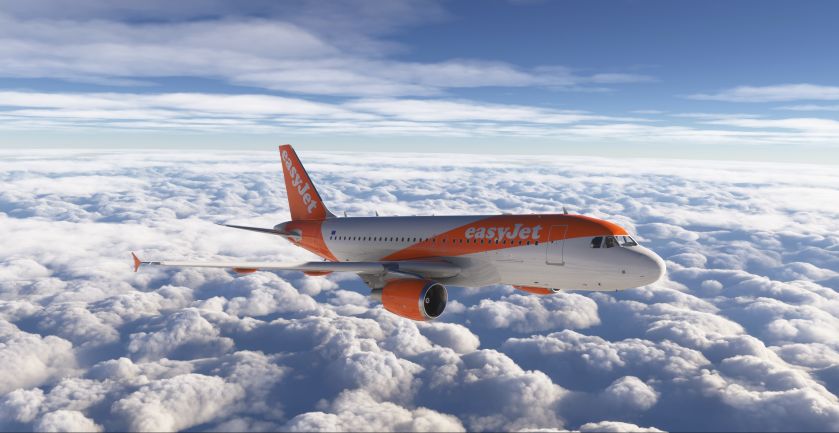
- easyJet: A prominent UK-based low-cost carrier.
- IAG: The parent company of British Airways and Iberia.
These airlines collectively operate thousands of flights across Europe and are committed to achieving net-zero emissions by 2050, aligning with global industry goals set by the International Air Transport Association (IATA).
Where Is This Happening?
The concerns raised by A4E pertain to the entire European Union, encompassing all member states. However, countries such as Italy, Greece, Spain, France, and Germany are particularly vocal in their support for the delay, citing specific national challenges related to SAF supply and infrastructure.
When Did This Happen?
The formal request for a delay was presented during a video conference held in Paris in October 2025. The airlines are seeking a strategic dialogue with the European Commission to reassess the SAF mandates and explore alternative approaches that would not compromise environmental objectives.
Why Are Airlines Concerned?
The primary concerns raised by the airlines include:
- Supply Shortages: The current production capacity of SAF is limited, with most of the fuel being imported from outside Europe. The European Aviation Safety Agency (EASA) estimates that SAF production within Europe could reach 500,000 tonnes per year by the mid-2020s, which is still far below the required volumes to meet the EU’s targets.
- Cost Implications: SAF is currently priced at approximately three times the cost of conventional jet fuel. The airlines warn that strict quotas could strain profit margins, leading to increased fares and reduced connectivity, particularly affecting budget travelers.
- Infrastructure Challenges: The existing refueling infrastructure at many European airports is not equipped to handle the increased volumes of SAF required by the mandates. Upgrading these facilities would require significant investment and time.
How Are Airlines Proposing to Address This?
A4E suggests several measures to address the challenges associated with SAF implementation:
- Delay in Mandates: Postponing the implementation of SAF quotas to allow time for the development of production capacity and infrastructure.
- Incentives for SAF Production: Encouraging major hydrocarbon producers to supply more SAFs through financial incentives and policy support.
- Global SAF Credits: Implementing the EU’s proposed Book & Claim system for global SAF credits, which would allow airlines to offset their emissions by purchasing SAF credits from producers outside the EU.
- Strategic Dialogue: Engaging in discussions with the European Commission to reassess the targets and explore alternative approaches that balance environmental goals with economic feasibility.
Summary
The request for a delay in the EU’s SAF mandates reflects the complex challenges facing the aviation industry in its transition to sustainable fuels. While the environmental objectives are clear, the airlines emphasize the need for a pragmatic approach that considers current supply limitations, cost implications, and infrastructure readiness. The outcome of the proposed strategic dialogue with the European Commission will be crucial in determining the future trajectory of Europe’s aviation decarbonization efforts.
Image: easyJet