
Published on
October 29, 2025

Türkiye is preparing to host the NATO 2026 Leaders Summit on July 7-8, 2026, at the Presidential Complex in Ankara, marking the country’s second major NATO summit since hosting the alliance in Istanbul in 2004. The gathering will bring together heads of state and government from all thirty-two NATO member countries, with discussions focused on strengthening defense capabilities, addressing non-traditional threats, and revitalizing trans-Atlantic cooperation amid evolving global security challenges.
Strategic Significance for Türkiye
The summit carries substantial strategic importance for Türkiye, emphasizing its weight within NATO and its critical role as a bridge between Eurasia and the Middle East. Hosting the summit offers Türkiye an opportunity to highlight its defense industry, diplomatic networks, and security cooperation initiatives while enhancing its domestic and international prestige.
During a period marked by intensified regional crises and emerging security threats, Türkiye’s hosting makes NATO’s “southern flank” and the Mediterranean, Black Sea, and Middle East regions more visible within the alliance’s strategic priorities. The summit is viewed as signaling NATO’s transition to a new strategic period, testing the alliance’s defense paradigm, burden distribution, and regional security perspectives.
Summit Agenda: Defense, Cybersecurity, and Trans-Atlantic Cooperation
The NATO 2026 Leaders Summit will address several critical priorities:
- Strengthening Defense Capabilities: Enhancing military readiness, modernization, and interoperability across NATO forces.
- Non-Traditional Threats: Preparing for cybersecurity challenges, critical infrastructure defense, energy security, and hybrid warfare tactics.
- Trans-Atlantic Cooperation: Revitalizing burden-sharing on defense spending, with a focus on ensuring all member states meet their commitments to allocate a minimum percentage of GDP to defense.
At the 2025 Hague Summit, all NATO members committed to increasing defense spending as a percentage of gross domestic product (GDP), a commitment expected to be reviewed and reinforced in Ankara. The summit will also address NATO’s capacity to handle regional crises and global security challenges, including threats emanating from NATO’s eastern and southern flanks.
Extensive Preparations Underway
Turkish authorities have launched comprehensive preparations to ensure the summit’s success. Key infrastructure upgrades include:
- Runway Renovations at Etimesgut Military Base: The runway is being renovated to accommodate the expected influx of leaders’ aircraft, including Air Force One and other presidential jets.
- VIP Terminal Relocation: The VIP terminal is being relocated from Esenboga Airport to Etimesgut to facilitate secure arrivals and departures for world leaders.
- Dual Airport Operations: Both Etimesgut and Esenboga airports will be utilized during the summit to manage the high volume of international delegations and support aircraft.
US Participation and Bilateral Meetings
US President Donald Trump is expected to lead a large American delegation to Ankara, with preliminary discussions underway for a potential bilateral meeting with President Recep Tayyip Erdoğan either before or after the NATO summit. The meeting would take place at the Presidential Complex, providing an opportunity to discuss bilateral relations, defense cooperation, and regional security issues.
According to reports, five countries, led by the United States, have already reserved five entire hotels for their delegations, reflecting the scale of international participation. Each country’s delegation will include medical teams with their own doctors, while Ankara is preparing two ambulances and medical teams for each leader’s convoy to ensure rapid response capabilities.
The US Secret Service and White House Military Office apply a strict “one-hour rule,” requiring the president to remain within one hour’s drive (approximately fifty-seventy kilometers) of the landing point to ensure quick evacuation in case of medical emergencies, security threats, or diplomatic crises.
Major Security Measures
Turkish security forces will implement comprehensive air and ground security measures during the summit, including:
- Road Closures: Some roads will be closed during the summit dates to facilitate secure convoys and prevent unauthorized access.
- Administrative Leave: Non-essential government workers may be granted administrative leave during the summit period to reduce traffic congestion and security risks.
- Coordinated Security Operations: All Turkish security forces will collaborate with foreign protection teams to ensure the safety of world leaders and delegates.
Turkish media reported that authorities plan to implement such extensive security that “not a bird will fly in Ankara” during the summit, underscoring the scale of preparations involving military, police, intelligence, and diplomatic security personnel.
Tourism and Economic Impact
While the NATO summit is primarily a security and diplomatic event, it is expected to have a positive impact on Ankara’s tourism and hospitality sectors. The influx of international delegations, media representatives, and support staff will boost demand for hotels, restaurants, transportation services, and local attractions.
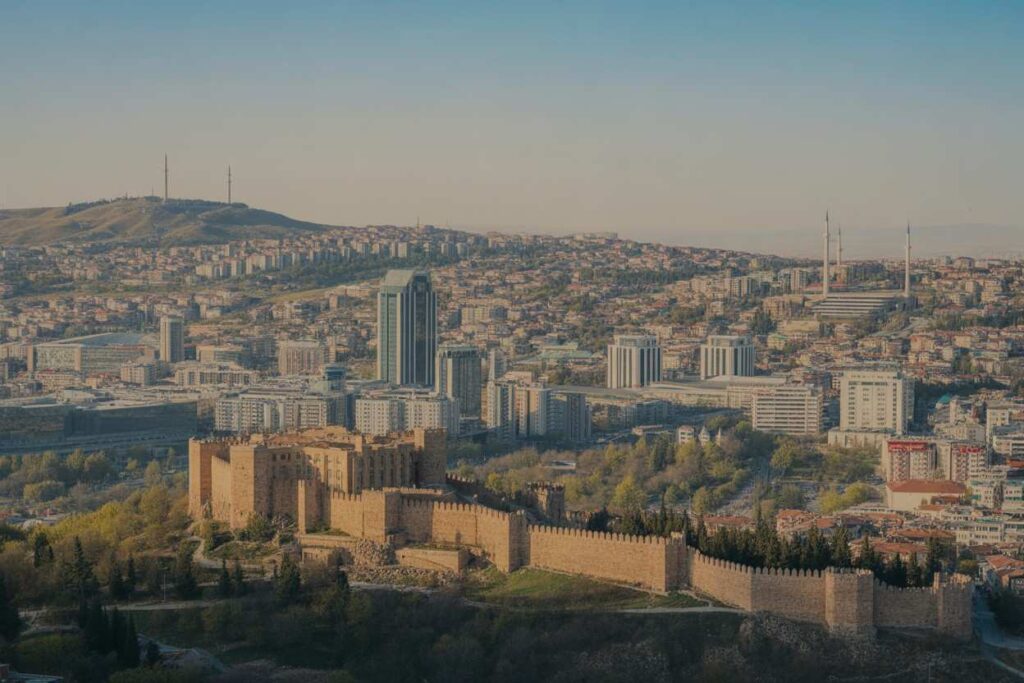
The summit also provides Türkiye with an opportunity to showcase Ankara’s cultural heritage, modern infrastructure, and hospitality to a global audience. International media coverage will highlight the city’s historical sites, including the Anıtkabir (Atatürk’s Mausoleum), Ankara Citadel, and Museum of Anatolian Civilizations, potentially inspiring future tourism visits.
The event reinforces Türkiye’s reputation as a safe, capable, and strategically important destination for high-profile international gatherings, supporting its broader efforts to attract conferences, summits, and business events.
