
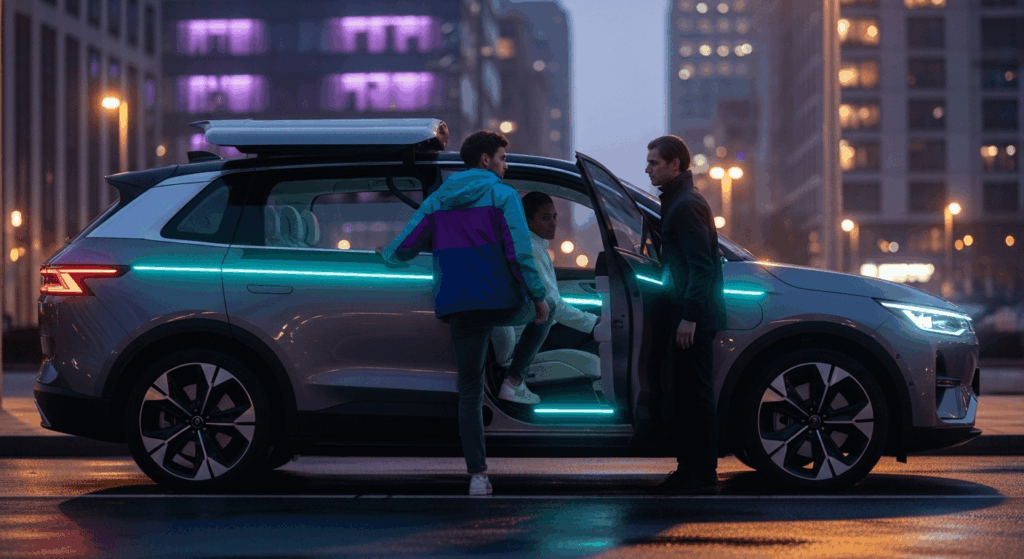
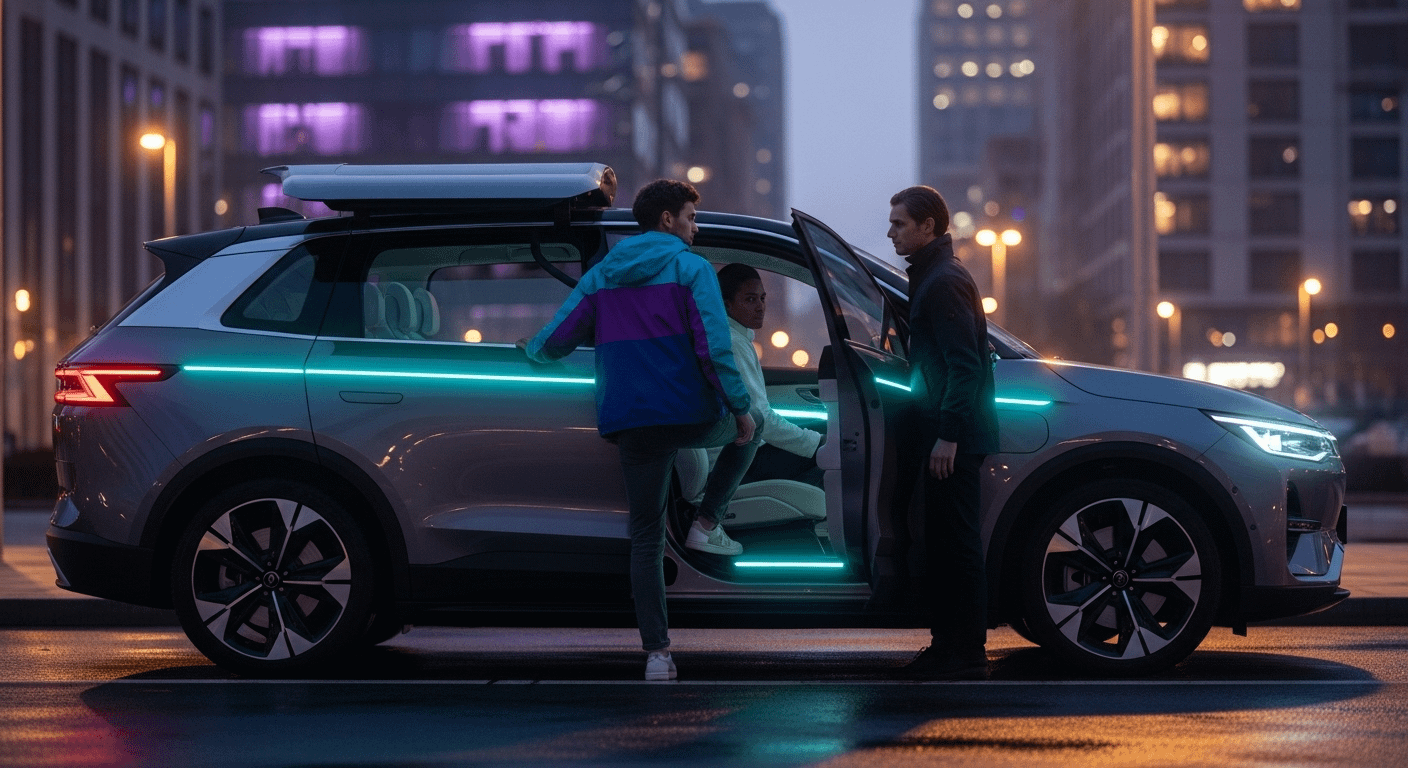
Uber’s Lucid-based autonomous taxi rollout in San Francisco feels like the first true step toward vertically integrated robotaxi ecosystems where ride-hail platforms, EV manufacturers, and AI chipmakers merge into a single mobility stack.
If Uber ends up fielding 20,000+ self-driving cars by 2030, what happens to the global driver workforce and to urban infrastructure once autonomy is scaled and human drivers disappear from the equation? Is this the tipping point that finally pushes cities to redesign around autonomous fleets instead of private cars?
https://neutralnewsai.com/article/117
2 Comments
I actually think this rollout could be the real turning point not just for autonomy, but for how cities function. If Uber really manages to scale 20,000+ Lucid-based robotaxis, we might finally see dense urban areas move away from individual car ownership. Parking lots could turn into housing or green space, and 24/7 autonomous fleets might handle most transport needs.
That said, I don’t think it’ll be smooth, the tech will mature faster than regulations or labor transitions. Displaced drivers and outdated transport policies could create real friction before the benefits fully appear.
Hey!! I was right on my other comment on the uber article posted 45 minutes ago about how clearly Uber is only pushing the ‘stop driving its actually sooooo dangerous’ schtick because they want to resell that skill back to you as a subscription taxicab service.
“Driving is sooooooooo unsafe but getting inside of our autonomous vehicles (which we made as cheaply as possible to maintain maximal profit) and sitting in the backseat, where you cant even touch the wheel or break if you needed to, will be sooooooo much safer!! Trust us!! Were your friends!! Not a for profit enterprise who was already caught in the mid 2010s trying to ‘meddle with the current societal culture’ in order to insert ourselves as middleman!”