
Published on
October 31, 2025

Egypt’s long-awaited Grand Egyptian Museum is finally opening this November, marking a monumental moment for global tourism. Set beside the Giza Pyramids, this architectural marvel houses over fifty thousand artefacts that showcase the grandeur of ancient Egypt. The museum blends history, technology, and culture, offering visitors an immersive journey through one of the world’s oldest civilisations. Its opening not only preserves Egypt’s timeless legacy but also strengthens the nation’s position as a leading cultural destination, making it a must-visit attraction for every traveller in 2025.
Egypt is preparing to open the doors of the Grand Egyptian Museum (GEM), a landmark project that has been nearly twenty years in the making. Slated for inauguration on November 1, this colossal museum stands as the world’s largest cultural space dedicated to a single civilisation, boasting over fifty thousand artefacts that tell the story of ancient Egypt’s majestic past. Built beside the timeless Giza Pyramids, the museum is not just a tribute to history but a symbol of Egypt’s modern identity and its growing vision for cultural tourism.
The Grand Egyptian Museum stands as a powerful symbol of Egypt’s ambition to revive its tourism industry while preserving one of the oldest civilisations on earth. Designed to inspire awe, this government-backed project reflects a combination of national pride, architectural brilliance, and technological advancement. The museum has been described as the heart of Egypt’s long-term tourism strategy, positioning Cairo once again as a global cultural capital.
A Monument to Civilisation
The GEM has earned its place as a global wonder for several reasons. It is the largest museum in the world devoted to a single civilisation. Inside, visitors can explore an extraordinary collection of artefacts, including the entire treasure trove from King Tutankhamun’s tomb—more than five thousand items displayed together for the first time. A cutting-edge conservation centre, among the biggest globally, ensures that each piece is restored and preserved using advanced technology. The museum also introduces immersive mixed-reality exhibits, engaging younger audiences and tech-savvy travellers through interactive storytelling. Architecturally, the building’s pyramid-inspired design, with its grand glass façade and a sweeping staircase overlooking the Giza Pyramids, connects modern creativity with ancient symmetry.
A Strategic Location Beside the Pyramids
Nestled just two kilometres from the Great Pyramid of Khufu, the museum’s location in Giza perfectly complements the ancient wonders nearby. A newly constructed pedestrian bridge now links the museum directly to the pyramid complex, allowing visitors to explore both iconic sites effortlessly. Travellers can either walk or take eco-friendly electric shuttles between the attractions, making it a seamless experience for those with limited time in Cairo.
When to Visit
The ideal time to explore the Grand Egyptian Museum is from October to April. During these cooler months, temperatures range between twenty and twenty-eight degrees Celsius, perfect for sightseeing. Avoiding the intense summer heat from May to August is recommended, as temperatures can soar above forty degrees. For those visiting during warmer months, early morning or late afternoon tours are best. The winter months also offer clear skies and striking sunset views over the Giza Plateau, a paradise for photographers and history enthusiasts alike.
Getting There
Reaching the museum is easy, thanks to improved infrastructure and transport links.
- By Air: Visitors can land at Cairo International Airport, about an hour’s drive from the museum, or at the newer Sphinx International Airport, located forty minutes away and ideal for international charter flights.
- By Metro: A metro station is under construction right outside the museum, expected to make access even more convenient once completed.
- By Road: Taxis, ride-hailing services, and private cabs operate throughout Cairo, with newly paved roads ensuring a comfortable journey.
Inside the Grand Egyptian Museum
Visitors will encounter a remarkable mix of historical treasures and technological innovation.
- The colossal statue of Ramesses II, towering at eleven metres, greets visitors at the entrance, setting a dramatic tone.
- The Tutankhamun Gallery showcases the young pharaoh’s complete burial collection—his golden throne, chariots, sarcophagus, and funerary beds, meticulously restored and displayed together for the first time in a century.
- The Khufu Solar Boat, a 4,600-year-old wooden vessel believed to carry the Pharaoh’s spirit, is another masterpiece relocated to the museum after an intricate transportation process.
- Twelve main galleries trace Egypt’s civilisation from its prehistoric origins to the Greco-Roman era, each curated to create a chronological journey through time.
- For modern explorers, mixed-reality installations use augmented storytelling to recreate the ancient world in digital form.
- A Children’s Museum engages young visitors with interactive displays and learning corners, while a Conservation Centre reveals how artefacts are cleaned, preserved, and restored behind the scenes.
- The Grand Staircase, lined with statues and artefacts, offers an unforgettable view of the pyramids through its transparent glass wall.
Visitor Essentials
The museum’s design ensures accessibility and comfort for all. It is expected to receive between fifteen and twenty thousand visitors daily, with operating hours likely set between 9 a.m. and 5 p.m. Tickets will be available both online and at the site, with combo passes for the pyramids anticipated. English and Arabic guides will be available, while ramps, lifts, and electric vehicles will support accessibility. On-site facilities include cafés, prayer rooms, rest areas, and retail stores selling Egyptian crafts.
Accommodation Options
Giza offers a wide range of stays to suit all budgets. Luxury travellers can enjoy pyramid-facing rooms at the Marriott Mena House, while mid-range visitors may prefer the Steigenberger or Cairo Pyramids hotels. For backpackers or short-stay guests, budget hostels and guesthouses in Dokki and Mohandessin offer affordable comfort within a short distance. Staying close allows visitors to enjoy the museum early before crowds gather.
Nearby Attractions
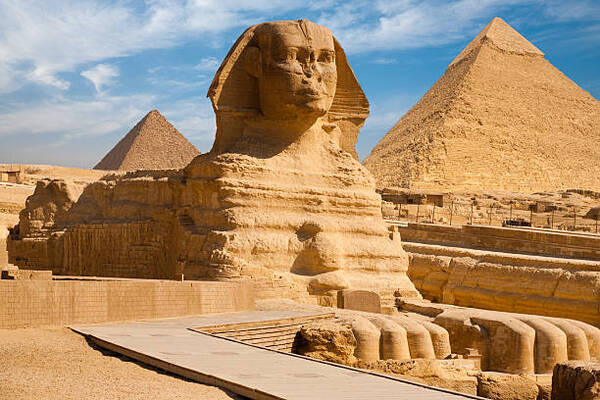
Beyond the museum, visitors can explore the Giza Pyramids complex, featuring the Great Sphinx and the three iconic pyramids of Khufu, Khafre, and Menkaure. A short drive south leads to Saqqara Necropolis, home to the Step Pyramid of Djoser, considered the world’s oldest monumental stone structure. Meanwhile, downtown Cairo offers the historic Egyptian Museum in Tahrir Square, vibrant Khan El Khalili Bazaar, and the architectural marvels of Islamic Cairo.
A Glimpse of a 4-Day Journey
A sample itinerary could include:
- Day 1: Arrival in Cairo and evening visit to the Khan El Khalili Bazaar.
- Day 2: Full-day exploration of the Grand Egyptian Museum and dinner with a view of the pyramids.
- Day 3: Morning tour of the Giza Pyramids and Solar Boat exhibit.
- Day 4: Visit to Saqqara before departing from Cairo or Sphinx Airport.
A Legacy Reborn
The Grand Egyptian Museum stands as a defining moment in Egypt’s modern narrative—where ancient glory meets contemporary innovation. With its unmatched collection, visionary design, and prime location beside the Giza Pyramids, it is poised to become one of the world’s greatest cultural destinations. As Egypt works toward welcoming thirty million tourists by 2032, GEM is expected to anchor the nation’s tourism revival and reaffirm its role as the cradle of civilisation. For travellers longing to experience Egypt’s timeless magic, this is the perfect time to visit.
