
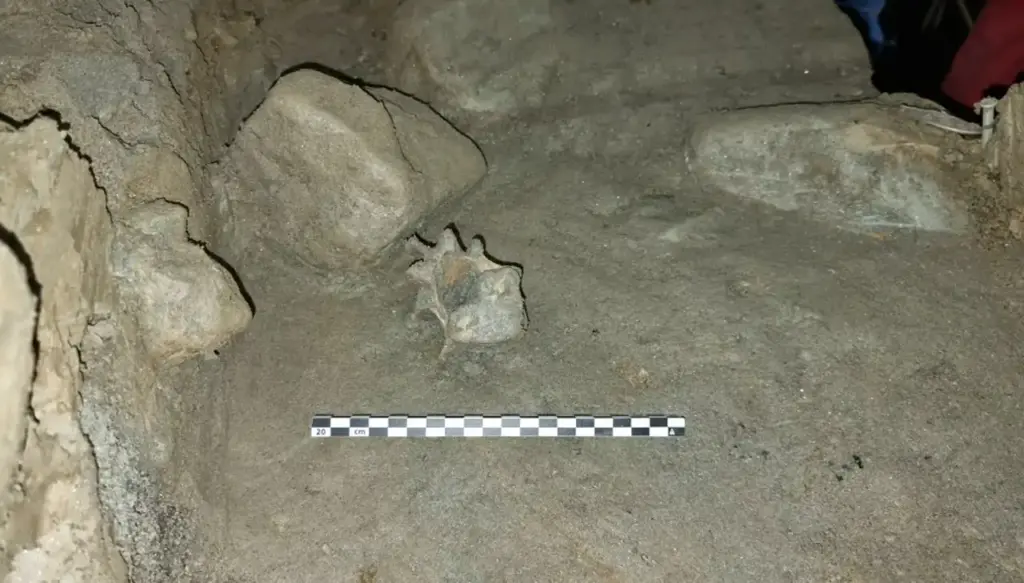
A team of scientists from the University of Oslo made a discovery that redefines the natural history of Scandinavia. In a karst cave in northern Norway, called Arne Qvam, remains of more than 46 animal species were found that survived hidden under the ice for 75,000 years.
The discovery took place in Storsteinhola, one of the oldest underground formations in the country, where sediments protected an exceptional biological record. These remains reveal a complete ecosystem from the Ice Age, preserved almost intact despite the passage of time and glacial advances.
The fossils include species of birds, mammals, fish, and invertebrates, along with plant remains that help reconstruct the climate, landscape, and fauna of northern Europe during a period of extreme cold.
The research, published in the journal PNAS, allows us to understand how Arctic ecosystems withstood the most severe climate changes and offers clues about species adaptation to current global warming.
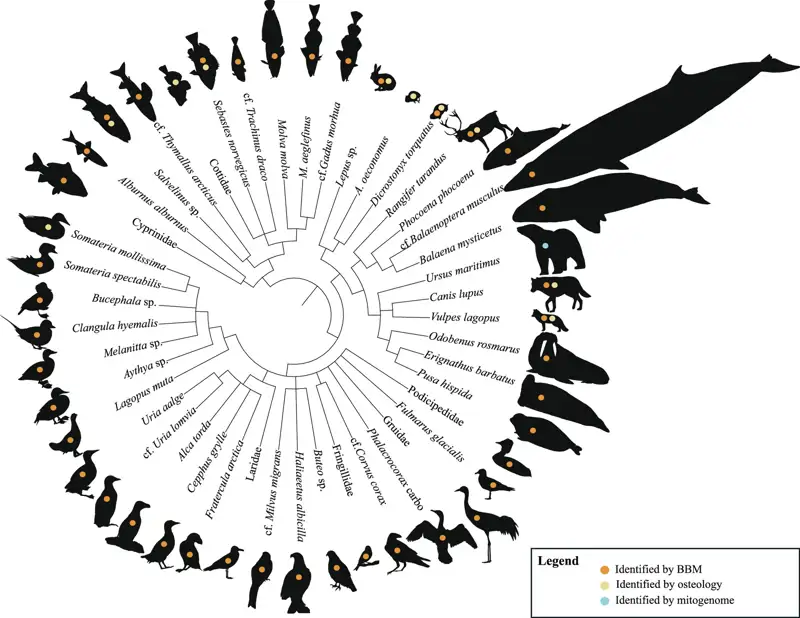 A lost ecosystem discovered more than 75,000 years ago in Norway. Photo: National Geographic.
Echoes of the past: the species found in the cave
Among the identified remains are 23 bird species, 13 mammals, and 10 types of fish, along with a variety of marine invertebrates. This finding makes Arne Qvam one of the most complete paleobiological deposits in Scandinavia.
The recovered mammals include polar bears, walruses, seals, and reindeer, key Arctic species that reflect the coexistence of sea ice and ice-free coastal areas. Porpoises were also found, suggesting that the ice was seasonal, not permanent, allowing for the presence of diverse marine fauna.
As for the birds, the variety of species indicates a mixed environment of tundra and open sea, where predators, migratory birds, and freshwater species coexisted. The plant and fish remains support the hypothesis that there were active rivers and lakes in the region during the last glacial period.
This ecological mosaic demonstrates that even in the coldest moments of the planet’s history, life found ways to adapt and persist in balance with its environment.
How spiders weave the DNA of the past
The study faced an unexpected challenge: most of the bones found were fragmented into tiny particles, impossible to identify visually. To solve this, researchers applied the method of “DNA barcoding”, which allows species recognition from small genetic sequences.
By using massive bone metabarcoding, they managed to reconstruct ancient DNA and compare it with modern genetic databases. This technique revealed species that would otherwise have gone unnoticed, especially among birds and fish.
The use of these biotechnological tools marks an advance in environmental paleogenetics, allowing ecological information recovery without the need for visible remains. Thus, each bone fragment becomes a key piece in deciphering the history of Arctic ecosystems.
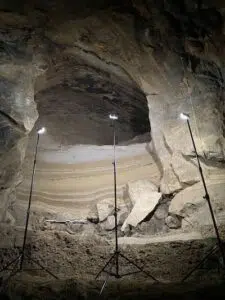 The cave where the lost ecosystem was found more than 75,000 years ago in Norway. Photo: University of Oslo.
The ecological importance of the discovery
The discovery not only expands knowledge about prehistoric fauna but also offers a comprehensive ecological view of northern Europe during the last glaciation. The data obtained allow us to understand how animals migrated, fed, and withstood climate changes.
These results help predict how current species might respond to rising temperatures and melting polar ice. Knowing the resilience of past ecosystems can guide conservation strategies and adaptation in the present.
Additionally, researchers highlight the need to protect karst caves, which act as capsules of natural time, preserving DNA, fossils, and remains of ecosystems that no longer exist on the surface.