
 Ritratt: Ministeru għal Għawdex
Tista’ taqra bil-
Malti.
Ahmed* arrived in Malta by boat in 2021, fleeing his home country in search of safety and refuge. Instead, he found himself trapped in a system that has stripped him of dignity, rights, and hope, living in constant fear whilst contributing to an economy that refuses to protect him.
His story is one of eight testimonies featured in Forced to Hide: Real Stories behind the Invisible Faces, a booklet published by the Jesuit Refugee Service Malta as part of a research and advocacy project supported by the Platform for International Cooperation on Undocumented Migrants and Robert Bosch Stiftung.
The project illuminates the hidden lives of workers toiling in Malta’s shadow economy without legal protection or basic rights.
Trapped in legal limbo
Ahmed applied for asylum shortly after arriving while detained, but his request was rejected and a deportation order was issued.
However, the Maltese government was unable to arrange his return. After two years in detention, Ahmed was released without a work or residence permit, given only a police document confirming his presence in Malta, but granting no right to work or access basic services.
“Until I went to ask for help, I did not know that I had no rights. That is when I discovered that I had none,” Ahmed said.

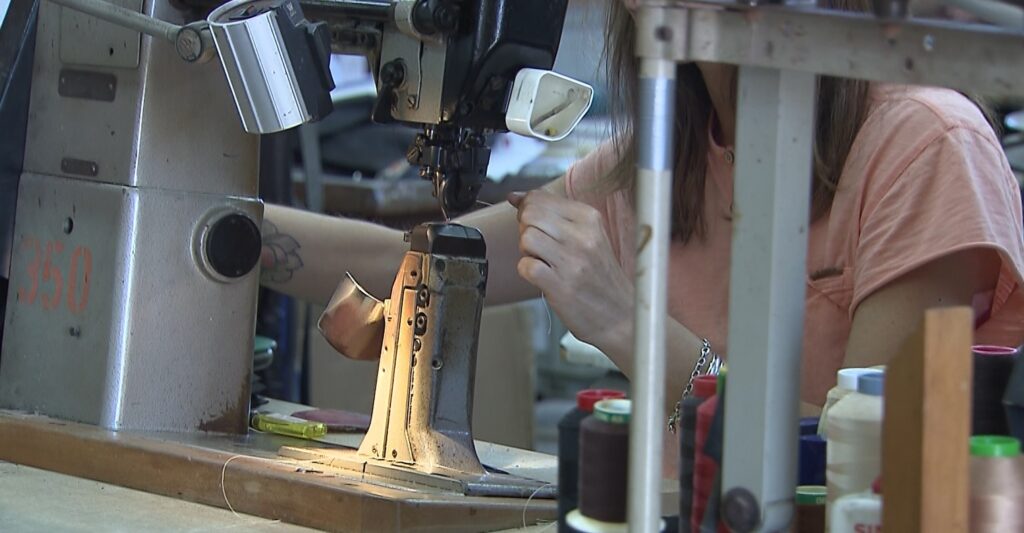
He ran from factory to factory seeking employment, frequently refused due to lack of documentation. He recounted being humiliated and threatened with deportation multiple times. Eventually, he found work in a factory without contract or payslips, paid in cash, sometimes after weeks of waiting.
The lack of documentation forces Ahmed to work even when unwell, fearing lost wages. He has never requested a day off or even a few hours’ leave. When government inspections occur at his workplace, he must stay home. “It’s not just me who is afraid of getting caught… even my boss,” he admitted.
An economic model built on exploitation
Ahmed’s experience reflects a broader systemic failure documented in recent reports exposing Malta’s economic dependence on exploitable migrant labour whilst simultaneously criminalising the exploited rather than the exploiters.
Malta’s relationship with migration represents a dramatic historical reversal. Once a country of emigration, with significant portions of its population leaving for Australia, the UK, and US throughout the 19th and 20th centuries, Malta has become a country of immigration in the 21st century, driven by acute labour needs to support its booming economy and offset an ageing population.

Third-country nationals now form over a quarter of Malta’s population, contributing over €85 million in taxes in 2024 alone and filling critical roles in construction, hospitality, and care. Yet they face systematic exploitation that trade union representatives confirm has become “the business model” for some companies.
Recent investigations by the Jesuit Refugee Service reveal that fear of deportation has created conditions where workers accept unpaid wages, dangerous working conditions, verbal abuse, and even physical exploitation rather than risk removal. “Without documents, people exploit you,” one undocumented worker told researchers.
Malta’s Single Work Permit system ties legal residence to specific employers, creating power imbalances that facilitate abuse. Workers have just 10 days to find new employment if they lose jobs—recently proposed to increase to 30 days, still far below EU standards of three to six months.
Deporting the abused, ignoring the abusers
The contradiction is stark: while Malta issued 33,455 first-time residence permits to third-country nationals in 2024, demonstrating economic dependence on migrant labour, it simultaneously implements policies rendering many vulnerable to exploitation whilst targeting them, rather than their exploiters, for enforcement action.
Recent high-profile dawn raids in areas like Marsa and Gżira have resulted in dozens of arrests for irregular residence. Critics argue these operations criminalise vulnerable individuals whilst leaving employers, landlords, and recruitment agencies who profit from exploitation entirely unscathed.
The removal of previous regularisation pathways has pushed thousands into legal limbo. The Specific Residence Authorisation status, once available to long-term rejected asylum seekers who had established lives in Malta, was discontinued in 2020, increasing vulnerability to exploitation. Protection rates for asylum seekers have plummeted to historic lows, just 6% in 2022, with slight increases to 15% in 2023 and 9% in 2024.
A life in fear
The psychological toll on Ahmed is immense. Despite learning Maltese, loving his job, and believing he contributes to society, he lives in constant anxiety that he could be stopped by police or expelled from Malta.
“When people ask me for my documents, I feel hurt and stripped of all humanity,” he said.
Ahmed is aware the state is trying to expel as many people as possible from Malta, yet he remains resolute: if given documents to work legally, he will stay in the country he is already contributing to “through work that many Maltese do not want to do”.
His story encapsulates the fundamental injustice of Malta’s current migration system—an economic model built on the labour of those denied the very rights that would protect them from exploitation, whilst enforcement targets the exploited rather than those profiting from their vulnerability.
*Ahmed is a fictitious name to protect his identity.

