
Published on
November 4, 2025

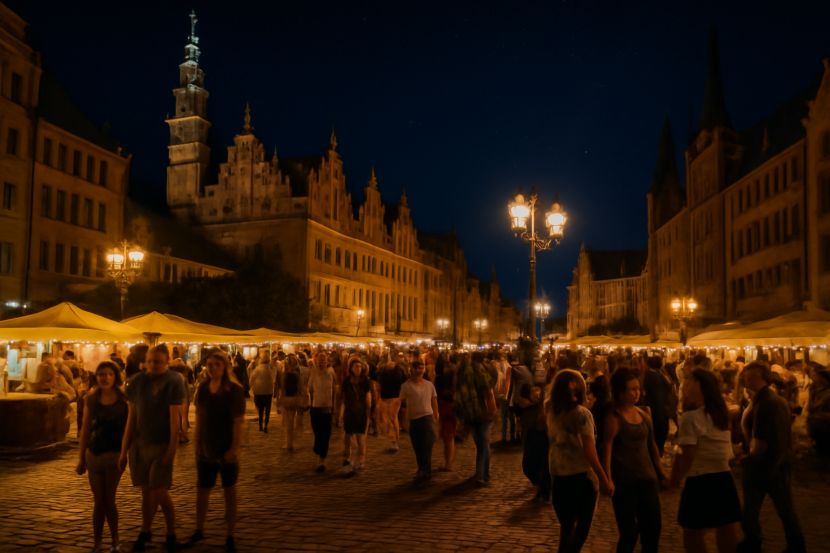
Malta has now joined Latvia, Poland, Germany, and Sweden in what can only be described as Europe’s nighttime empire, sparking a jaw-dropping tourism uprising. This shift is part of a broader trend where these nations are rapidly becoming hubs for night tourism, offering visitors a new, vibrant way to experience their culture after hours. As each of these countries enhances their nighttime offerings, from late-night museums to bustling nightlife scenes, they are setting the stage for a revolution in how we think about travel. The rise of nighttime tourism is changing the face of Europe’s tourism landscape, attracting a diverse range of global visitors eager to discover a different side of these nations. Malta’s inclusion in this growing movement further solidifies the region’s importance in the nighttime tourism boom, making it an exciting time for travelers and industry leaders alike.
Malta: The Overnight Tourism Hotspot of 2025
Malta, a stunning Mediterranean island, has become a key player in European nocturnal tourism. In H1 2025, the country has seen a remarkable 12.7% increase in overnight stays compared to the same period in 2024. This growth places Malta among the highest in Europe for overnight tourism.
The country’s night‑stay tourism is thriving, largely driven by a massive influx of foreign visitors. A staggering 93.6% of Malta’s total overnight stays in 2025 are from tourists coming from abroad. This highlights Malta’s popularity as a sought-after nighttime destination. Its vibrant nightlife, historic sites, and stunning coastal views make it a magnet for travellers looking to explore the island’s charm after sunset.
What’s particularly fascinating is how Malta manages to attract so many international tourists. Despite its relatively small size, the island’s strategic location and welcoming atmosphere play a huge part in the surge in nocturnal tourism. With more and more people visiting for the first time, and many returning for repeat stays, Malta’s overnight tourism shows no signs of slowing down.
Latvia: The Rapid Rise of Night Tourism
Latvia, a hidden gem in Northern Europe, is also experiencing a remarkable boom in overnight stays. In the first half of 2025, Latvia saw an 8.6% increase in overnight stays compared to the same period in 2024. But what’s really impressive is the growth in foreign visitors. According to recent data, foreign visitor nights surged by 18.5% in Q1 2025, signalling that Latvia’s nocturnal tourism is attracting more international visitors than ever before.
So, what’s behind Latvia’s rise as a top destination for overnight tourism? The country’s rich cultural heritage, ancient architecture, and charming cityscapes have long made it a hidden gem for travellers. With its underrated nightlife, Latvia is steadily growing in popularity as a night tourism destination, offering visitors a combination of peaceful nights and vibrant city experiences.
Whether it’s a night at the opera in Riga or a late-night stroll through medieval towns, Latvia’s ability to blend its historical past with a modern, energetic atmosphere is undoubtedly a key part of its nocturnal tourism appeal. As more travellers discover the beauty of Latvia’s night scene, expect its overnight stays to continue growing at a rapid pace.
Poland: A Strong Performer in Overnight Tourism Growth
Poland is another country seeing strong growth in overnight stays in 2025. The country’s overnight tourism grew by 8.5% in the first half of the year compared to 2024, which is a notable achievement. However, despite the impressive growth, Poland’s foreign visitor share remains relatively low, with only 19.2% of the country’s total overnight stays coming from international tourists.
While Poland’s overnight tourism growth is substantial, it still largely relies on domestic visitors. The country’s popular cities, such as Warsaw, Kraków, and Gdańsk, continue to draw in both local and international visitors. However, Poland’s low foreign visitor share suggests there’s still room for improvement in attracting tourists from beyond Europe’s borders.
Despite this, Poland’s increasing popularity as a nocturnal tourism destination speaks to its ability to offer travellers something unique. From night markets to late-night music festivals, Poland’s cities are coming alive after dark, making it an ideal place for those looking to experience European culture long after the sun sets.
Poland’s rise in overnight stays suggests that it’s on track to become a major European destination for nocturnal tourism in the coming years.
Germany: Modest Growth in Nocturnal Tourism
Germany, one of Europe’s largest tourist destinations, is seeing slower growth in overnight stays compared to its peers. In H1 2025, the country’s growth was a modest 0.2%, with foreign visitor share also remaining low at 18.5%. Despite these relatively small increases, Germany remains a tourism giant in Europe, attracting millions of visitors each year.
Germany’s night tourism is quite diverse, ranging from cultural experiences in cities like Berlin and Munich to more serene experiences in its vast countryside. However, the country is facing increasing competition from other European nations that are growing their overnight tourism offerings.
Even though Germany’s overnight tourism numbers are stable, its lack of significant growth in foreign visitor nights suggests a need for more innovative and exciting options for nocturnal tourism. Germany has the infrastructure, the culture, and the history to be a leading destination for night stays, but to remain competitive, it may need to invest more in nocturnal experiences for tourists.
Despite this, Germany’s long-standing reputation as a top destination for visitors remains strong, and it continues to be a favourite for both international and domestic travellers seeking to stay overnight in world-class hotels and enjoy late-night entertainment.
Sweden: Struggling with Weaker Growth in Night Tourism
Sweden, known for its majestic landscapes and rich cultural heritage, has faced challenges in its overnight tourism growth in 2025. The country has only seen a 0.5% increase in overnight stays compared to the first half of 2024. Even more concerning is the decline in foreign visitor nights, which dropped by 5.3% during the same period.
While Sweden remains a popular tourist destination, its nocturnal tourism has struggled in 2025. The reasons for this decline could be linked to several factors, including seasonality, changing travel patterns, and perhaps even the country’s relatively high cost of travel. While Sweden offers stunning landscapes and a vibrant cultural scene, it appears that tourists are seeking different experiences in other countries that offer more nighttime activities and affordable options.
Sweden’s reliance on domestic tourism for its overnight stays may also be contributing to its weaker growth in foreign overnight stays. This means that, although the country continues to attract Swedish tourists, it must work harder to appeal to international visitors by diversifying its nocturnal tourism offerings.
The Changing Landscape of Nocturnal Tourism in Europe
The nocturnal tourism scene in Europe is evolving, and as we’ve seen, different countries are experiencing varying levels of growth. Malta is leading the charge, with a significant increase in foreign overnight stays, while Latvia is quickly catching up, drawing more international visitors to its charming cities. Poland is seeing strong growth, but its reliance on domestic tourism shows that there’s still work to be done to attract more foreigners.
On the other hand, Germany and Sweden are facing challenges. Germany’s growth remains slow, while Sweden is seeing a decline in foreign overnight stays, indicating that there are growing pains in the nocturnal tourism industry.
As 2025 continues, it’s clear that nocturnal tourism in Europe is becoming an increasingly important aspect of the continent’s tourism industry. Countries like Malta and Latvia are capitalising on this trend, while others like Germany and Sweden may need to rethink their night tourism strategies to stay competitive in a rapidly changing landscape.
One thing is for certain—Europe’s nighttime economy is flourishing, and as tourists seek out unique and exciting experiences after dark, the future of overnight tourism looks bright for some countries and challenging for others. The race for the best nighttime tourism experiences is on, and only time will tell which countries will come out on top.
