
Published on
November 4, 2025

Travel has gone crazy in Saudi Arabia, the UAE, Kenya, Syria, Tanzania, and other places. Nine flights have been canceled and more than seventy have been delayed. This has mostly affected major airlines like Emirates, Saudia, Qatar Airways, Air Arabia, and Flydubai. The disruptions, which were caused by a mix of operational problems and bad weather, have left hundreds of travelers stuck or delayed at airports. These widespread problems show how hard it is for airlines to deal with changing demand, technical problems, and unpredictable weather, all of which have made travel in these areas very difficult.
Travelers in Saudi Arabia, the UAE, Kenya, Syria, Tanzania, and beyond are facing a significant disruption in their travel plans as a combination of operational issues and weather conditions have led to the cancellation of nine flights and more than seventy delays across some of the world’s most prominent airlines. Major carriers including Emirates, Saudia, Qatar Airways, Air Arabia, and Flydubai are at the center of the chaos, leaving passengers stranded at airports and scrambling to rebook their flights.
Here is a full table of the currently reported flight cancellations:
The Scope of Disruptions Across Major Airlines
The ripple effect of this widespread travel disruption has been felt most acutely in the Middle East and East Africa. Emirates, one of the leading global carriers based in the UAE, has been heavily impacted by the delays. A total of three Emirates flights have been canceled, and 22 others have been delayed. Among the most disrupted routes are those connecting Dubai with Dar es Salaam, Sydney, Auckland, Hong Kong, and Shanghai. Passengers were notified of the cancellations and delays, though many had little information about alternative flight options, causing further uncertainty.
Saudia, the flag carrier of Saudi Arabia, also found itself at the heart of the chaos, with one of its flights from Nairobi to Jeddah canceled and 19 others delayed due to a combination of operational difficulties and adverse weather conditions. These delays have been causing extensive disruptions for travelers between key cities across the region, resulting in significant knock-on effects for both business and leisure travel.
Qatar Airways, well-regarded for its premium service and vast international network, reported the cancellation of a flight between Doha and Aleppo. Additionally, 26 flights across the network have been delayed. Qatar Airways has assured passengers that they are working to rebook affected travelers as soon as possible, but many passengers are still grappling with the uncertainty.
Flydubai, the low-cost airline based in Dubai, was also caught up in the mayhem. Two flights were canceled, and ten others delayed, causing passengers traveling to Zanzibar and Dar es Salaam to face significant travel disruptions. The airline is offering rebooking options, though these are contingent on availability, which is limited given the high demand during this peak travel period.
Air Arabia, the budget airline operating in the Middle East, has been affected as well. While fewer flights have been canceled by the airline, two were delayed, and two others were completely canceled, contributing to the travel chaos experienced by passengers across multiple routes.
The Impact on International Travel
The widespread nature of the disruptions is causing ripple effects for international travelers trying to connect through major airports like Dubai International (DXB), Hamad International Airport in Doha, and Sharjah International. These hubs are critical for travelers flying between Asia, Europe, Africa, and the Middle East, and with many flights delayed or canceled, passengers are struggling to find alternate connections.
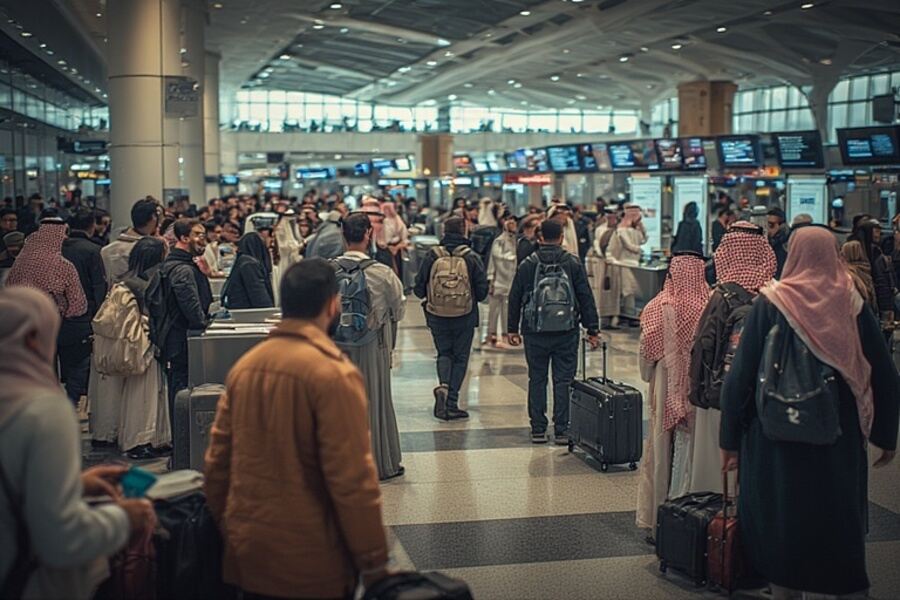
Travelers, especially those with tight connections or non-refundable bookings, are feeling the brunt of these issues. Some have been advised to wait at airports for days while others are facing difficulties in obtaining rebooking information due to long lines at customer service desks. As delays mount, so too does the frustration, as passengers find themselves stuck in airport terminals without clear updates on the status of their flights.
The Root Causes: Weather and Operational Issues
While some flight cancellations and delays are often caused by technical issues or crew scheduling problems, this series of disruptions can largely be attributed to weather and operational constraints. Regions like Saudi Arabia, the UAE, and Kenya are no strangers to extreme weather patterns, including heatwaves, sandstorms, and heavy rains, which can affect the ability of planes to take off or land safely. For example, Dubai has been experiencing sudden weather changes, including heavy rainfall and poor visibility, which have caused significant delays at Dubai International Airport.
These weather disruptions are often compounded by operational issues within the airline or airport systems. Staff shortages, especially after the pandemic, and high passenger volumes in airports are further contributing to the chaos. With travel returning to pre-pandemic levels, airports and airlines are still grappling with capacity issues, which is exacerbating the delays. Passengers are being advised to plan for potential disruptions and check flight statuses regularly.
What Affected Travelers Can Do
For passengers caught in this wave of disruptions, there are several steps to take to alleviate the frustration:
- Stay Informed: Always check your flight status using the airline’s official website, app, or customer service channels. Airlines like Emirates, Qatar Airways, and Saudia offer real-time updates on flight delays, cancellations, and rebooking options. Passengers can also sign up for alerts to receive notifications about changes to their flight.
- Know Your Rights: In cases of cancellations and significant delays, airlines are usually required to provide compensation, which can include meal vouchers, hotel stays, and rebooking on the next available flight. However, these options vary depending on the airline and the specific situation. Be sure to check the airline’s policy on delays and cancellations.
- Rebooking: Airlines are generally offering rebooking options for affected travelers, but availability can be limited, especially during peak travel periods. It is recommended to visit the airline’s customer service desk as soon as possible for assistance with finding alternative flight options. In some cases, airlines may even allow free changes to your travel date.
- Prepare for Long Wait Times: It’s essential to be prepared for long waits at the airport. Pack snacks, entertainment, and necessary medications in your carry-on, and stay comfortable while waiting for updates. Airport lounges, if accessible, can offer a more comfortable waiting area, and some airlines may offer lounge access to affected passengers.
- Travel Insurance: For those who travel frequently or are concerned about future disruptions, purchasing travel insurance can offer peace of mind. Insurance can help cover costs for unexpected changes to your travel plans, such as rebooking flights or accommodation expenses incurred due to delays.
Airlines Working to Restore Normal Operations
In response to the disruptions, airlines such as Emirates, Saudia, and Qatar Airways have been working diligently to restore normal operations. They have issued public statements apologizing for the inconvenience and assuring passengers that they are prioritizing the safety and comfort of travelers. Additionally, many airlines have increased communication through social media and mobile apps, providing more transparent updates on flight statuses and options for rebooking.
Flydubai and Air Arabia, while affected by fewer cancellations, have also been engaging with passengers and offering rebooking options. Passengers are encouraged to visit their respective airline’s website to check the latest updates regarding their flights and the status of any delayed or canceled services.
Looking Forward: The Future of Air Travel in the Middle East and Africa
While this disruption has been inconvenient for many travelers, it’s also a reminder of the ever-present challenges in air travel, especially in regions prone to extreme weather conditions. The airline industry is likely to continue facing obstacles as it strives to meet growing demand for international and regional flights. Moving forward, we can expect more investments in technology to better handle operational challenges, as well as improvements in customer service protocols to assist passengers during such disruptions.
For passengers, it’s crucial to remain flexible and informed, and to always have a backup plan in case their flights are delayed or canceled. With better communication and a focus on transparency, travelers can expect improved experiences in the future, though occasional disruptions will always be part of air travel.
Travel chaos has disrupted flights across Saudi Arabia, UAE, Kenya, Syria, and Tanzania, with nine cancellations and over seventy delays due to operational issues and adverse weather conditions impacting Emirates, Saudia, Qatar Airways, Air Arabia, and Flydubai. Passengers are facing significant delays as airlines work to manage the disruptions.
As travel chaos unfolds across Saudi Arabia, the UAE, Kenya, Syria, Tanzania, and other regions, with Emirates, Saudia, Qatar Airways, Air Arabia, and Flydubai bearing the brunt of the disruptions, affected passengers must navigate cancellations, delays, and uncertain rebooking options. By staying informed, knowing their rights, and preparing for delays, travelers can minimize the inconvenience. The airline industry continues to evolve to meet the challenges posed by weather conditions, operational issues, and rising travel demand, ensuring that passengers remain safe and informed throughout their journeys.
