
Published on
November 5, 2025

The effectiveness of transport networks has long been regarded as the foundation of regional development throughout Europe. It is impossible to overestimate the importance of maritime routes in regions such as the Mediterranean, where island connections are essential for daily life, tourism, and commerce. Given its advantageous location between Europe and North Africa, Malta has realised how critical it is to increase island-to-island mobility. This is particularly true for the crucial link that exists between Malta and Gozo, its neighbour. Not only is the ferry network between these two islands being transformed for convenience, but it also demonstrates Malta’s commitment to more intelligent, efficient, and environmentally friendly modes of transportation that support European objectives for more integrated, greener systems.
The Evolution of Malta’s Ferry Network
Malta’s fast ferry service between Valletta and Gozo is a prime example of how digital innovation and environmental responsibility can reshape regional mobility. Historically, the connection between these two islands was essential but often time-consuming and dependent on careful planning. Passengers would often have to contend with long wait times and a limited ferry schedule, especially during peak tourist seasons. Today, that scenario is rapidly changing, as the new ferry service drastically reduces travel time and improves the overall travel experience.
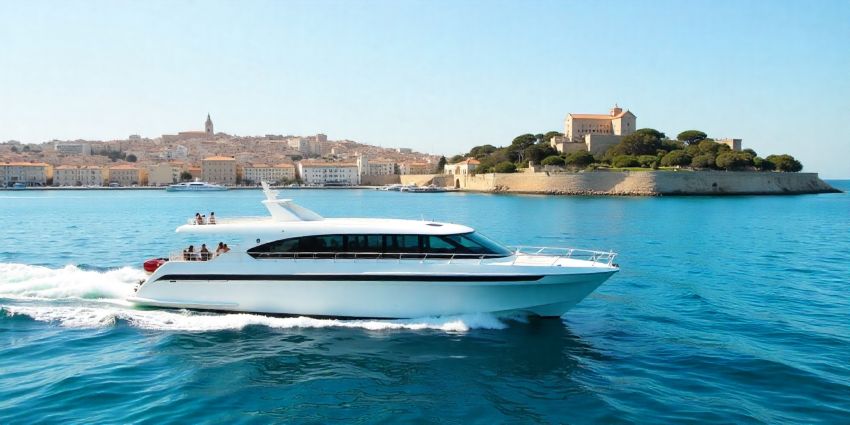
The modern ferry service, which connects Valletta, the capital city of Malta, to Gozo’s Mġarr Harbour, is one of the most significant advancements in Maltese transport in recent years. Passengers can now travel between the islands in less than 45 minutes, a considerable improvement over the older ferry services, which often took much longer. The fast ferry service not only saves time but also offers a more comfortable, scenic, and time-efficient alternative for travelers. This transformation in ferry travel mirrors broader trends in European transport where technological improvements and environmental consciousness are driving change across the continent.
Technological Innovation: Streamlining Travel
One of the major technological upgrades in Malta’s ferry service is the introduction of digital ticketing. Passengers can now easily book their tickets online or via a mobile app, eliminating the need for paper tickets and minimising waiting times at ticket counters. This move towards a paperless, digital system helps streamline the ferry experience, making it more convenient for both locals and tourists. Real-time travel updates and scheduling tools are also part of this new system, keeping passengers informed of weather changes, delays, or schedule adjustments. This level of integration makes the journey more predictable and user-friendly, a key factor in improving the travel experience.
On the environmental front, the Malta-Gozo fast ferry service has been designed with sustainability in mind. The vessels operating on this route are equipped with energy-efficient engines that reduce fuel consumption and lower carbon emissions. This shift towards greener technology is in line with Malta’s commitment to reducing its environmental footprint while still ensuring the highest standards of passenger comfort and safety. By adopting energy-efficient practices, the ferry service supports Malta’s wider environmental goals, contributing to a more sustainable future for the islands.
The Role of Tourism and Economic Growth
Tourism is a cornerstone of Malta’s economy, contributing more than 25% of the country’s GDP. The growth in visitor numbers, while beneficial to the economy, has also placed pressure on existing transport systems, especially during peak seasons. The introduction of a faster and more efficient ferry service has provided an ideal solution to this problem. By improving sea connections between Malta and Gozo, the service helps alleviate road congestion, particularly during the busy summer months when both locals and tourists flock to the islands. The fast ferry provides an efficient way to move between the islands without adding to the road traffic, ensuring a smoother and more pleasant experience for all.
The speed and convenience of the ferry service also make it easier for tourists to explore both Malta and Gozo within the same day. With travel times between the islands reduced, tourists can take advantage of day trips and even extend their stays. The new ferry service has thus become a vital part of Malta’s tourism strategy, offering a seamless travel experience that encourages exploration of both islands. For many visitors, the ferry ride is not just a means of transportation but a unique part of the Malta-Gozo experience itself, with its scenic views and modern vessels.
Gozo: A Serene Escape for Travelers
While Malta offers a bustling, urban atmosphere with its historic cities and vibrant culture, Gozo provides a stark contrast with its tranquil countryside, historical sites, and natural beauty. The connection between the two islands via the fast ferry allows visitors to easily experience the best of both worlds. Gozo is known for its serene charm, with attractions such as the Citadel in Victoria, the Ġgantija Temples, and Ramla Bay. These sites draw cultural travelers, history enthusiasts, and nature lovers alike. The ferry ride, which takes less than 45 minutes, offers a perfect opportunity to transition from Malta’s urban energy to Gozo’s peaceful surroundings.
The fast ferry service has enhanced the accessibility of these attractions, making it easier for tourists to explore Gozo’s rich history and natural beauty. With the ferry operating frequently throughout the day, it becomes possible for visitors to enjoy everything from the ancient Ġgantija Temples to the clear blue waters of Ramla Bay in just a few hours. As a result, Gozo has become an even more attractive destination for day-trippers and extended tourists.
Balancing Tradition with Modernity
Despite the advanced technology and modern vessels, Malta’s ferry system remains deeply rooted in the country’s maritime traditions. For centuries, ferries and small boats were essential for connecting the islands, serving as lifelines for trade and communication. The modern fast ferry system continues to serve this purpose, but it also incorporates the latest advancements in technology to improve efficiency and reduce environmental impact. This balance between tradition and innovation is key to understanding the development of Malta’s transport network. The new ferry service is not just a transportation upgrade; it’s a celebration of Malta’s maritime heritage, combining the old and the new in a way that benefits both the economy and the environment.
Looking to the Future
Malta’s successful transformation of its ferry service highlights the potential for smaller nations to lead the way in sustainable transport innovation. By integrating digital ticketing, energy-efficient vessels, and real-time travel updates, Malta has created a ferry system that is both modern and environmentally responsible. The government’s commitment to improving public transport and reducing the country’s carbon footprint is evident in the changes made to the ferry service. As tourism continues to grow and demand for sustainable travel options increases, the fast ferry service will likely play an even more crucial role in shaping the future of mobility on the islands.
However, the future of Malta’s ferry network will depend on continued investment in infrastructure, fleet expansion, and long-term planning. As the islands work to meet the demands of both residents and visitors, maintaining the balance between innovation, tradition, and sustainability will be key. The ongoing success of the fast ferry service demonstrates that even small nations can make significant strides toward building a more connected and sustainable transport network.
Conclusion
More than just a means of transportation, Malta’s contemporary ferry system is a representation of how environmental consciousness and technological advancement can coexist with tradition. In addition to making travel quicker and easier, Malta has raised the bar for sustainable mobility in the Mediterranean by enhancing connectivity between Gozo and Malta. The Valletta-Gozo ferry service, which provides both residents and visitors with a smooth, effective, and environmentally friendly experience, is a great illustration of how even tiny islands can set the standard for contemporary transportation options.
