
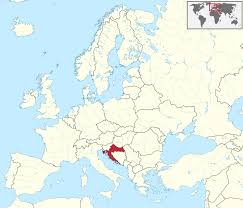
Croatia’s parliament voted to reinstate military conscription on Friday, seventeen years after voting to suspend it in 2008. 84 lawmakers of the 151-member parliament voted in favor of two amendments reintroducing mandatory military training, while 30 abstained and 11 voted against. According to Croatian public broadcaster HRT, army service will last two months and provide “basic military training.” The government will start calling conscripts born in 2007 for medical checkups by the end of the year. Conscripts will receive a salary and an advantage when applying for public jobs, and conscientious objectors may choose to do civilian service for three to four months instead. The initiative is expected to start next year.
Croatian Defence Minister Ivan Anusic cited recent international tensions in Europe, stating that “in the face of any threat, defending the country is crucial” in reference to Russia’s war against Ukraine. The Defence Ministry also added that it intends to teach young people skills “needed in crises so that they would contribute to national security.” People in the streets of Zagreb, Croatia’s capital, spoke optimistically about the policy in interviews with the AFP news agency. A student noted that “the army would bring structure” in life by instilling good habits, while another mother said it would help the youth “grow up and accept life as it really is.” However, some left-wing critics have called the amendments discriminatory, as those who choose civilian service will receive a lower wage and miss the advantage when applying for public jobs. Critics have also noted that women are exempt from all benefits of conscription since they are not eligible for it.
Although conscription seems like a dramatic shift in Croatia’s national policy, the limited nature of the compulsory service and heightened conflict in Europe make the decision a reasonable one. Two months of military service is not too major a commitment, and the option to do civilian service instead leaves a rational choice for citizens with significant reasons to avoid military training. Furthermore, Croatia brings benefits to Croatia beyond national security. The Defense Ministry has expressed a desire to prepare Croatia for “increasing natural disasters,” and the influx of soldiers and civil workers from conscription will give it the means to do so.
Croatia’s decision to reinstate military conscription comes at a time when several other European nations are reevaluating conscription and military service, considering the continuing war between Russia and Ukraine. French President Emmanuel Macron, for example, called for young volunteers to join the army ranks in January, while other nations like Belgium and the Netherlands have begun initiatives to increase the size of their reserve armies. If Croatia’s conscription program demonstrates tangible benefits for the country – both military and civilian – it is possible that more countries may follow suit.