
Published on
November 6, 2025

The XIII APSAT Meeting, set to take place in Andorra this November, offers an exceptional opportunity to immerse oneself in the rich tradition of dry-stone architecture. The event will run from 14th to 16th November 2025 at two key venues: the Andorra la Vella Congress Centre and Cal Pal, marking a significant milestone in the promotion of these traditional building techniques within the stunning Pyrenees landscape.
The XIII APSAT Meeting will be a dynamic platform for exploring the history, techniques, and future of dry-stone construction. Dry stone walls, built without mortar, have been integral to the agricultural and cultural landscape of the Pyrenees region for centuries. These structures not only showcase the region’s history and ingenuity but also serve as sustainable solutions in the face of modern construction needs. Visitors to the event will be able to witness firsthand how these ancient methods are still shaping the built environment of the future.
A Celebration of Dry Stone Architecture
The event is a collaborative effort by the Interreg POCTEFA Petra project, a European Union-funded initiative dedicated to preserving and promoting the dry-stone heritage of the Pyrenees. The Petra project focuses on recognising and celebrating dry-stone architecture as a key element of cultural identity in Spain, France, and Andorra. In 2018, UNESCO officially recognised dry-stone architecture as an intangible cultural heritage, acknowledging its cultural, historical, and environmental significance. Andorra followed suit in 2024, formally incorporating the recognition into its national framework.
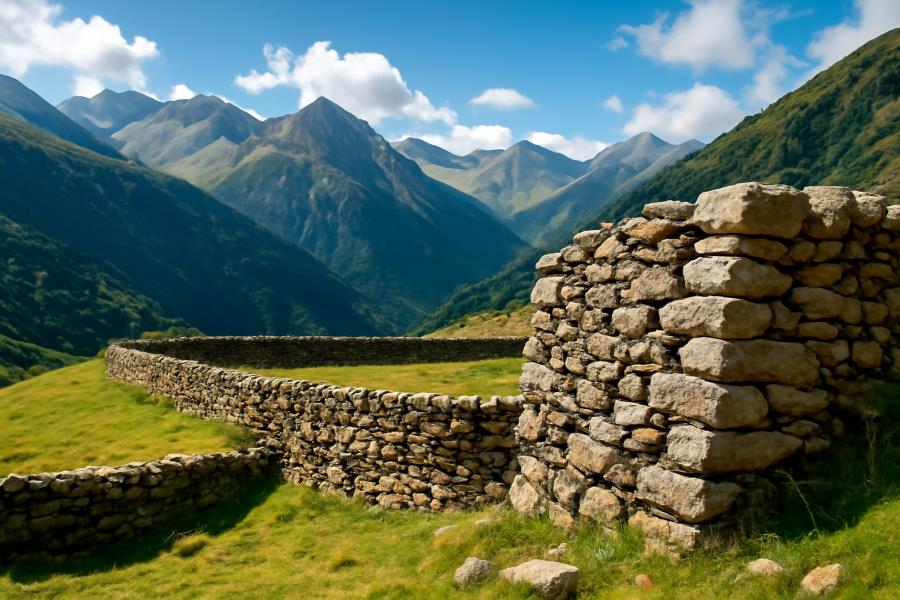
Dry-stone walls have been an essential part of the region’s landscape for centuries. These stone structures, constructed without mortar, are not just symbols of history but also practical examples of resourceful building techniques. The dry-stone walls of the Pyrenees are closely linked to the region’s agricultural and livestock heritage. They have long served as boundaries, terraces, and enclosures, and their design is closely tied to the sustainable management of natural resources, such as water and soil.
As visitors step into the Pyrenees, they will experience not only the beauty of these stone constructions but also understand their integral role in the region’s agricultural development. The walls, which seem to stretch across the valleys and hillsides, provide a glimpse into how human innovation has shaped the land in harmony with nature for generations.
Strengthening Cross-Border Collaboration
The Interreg POCTEFA Petra project is more than just an initiative for the preservation of dry-stone techniques; it is also a testament to the power of cross-border collaboration. Co-financed by the European Union, the project seeks to foster economic and social integration across the shared borders of Spain, France, and Andorra. By working together, these three countries can enhance their collective efforts to safeguard their shared heritage, benefitting not only the region’s cultural history but also its present-day communities.
The XIII APSAT Meeting serves as a perfect illustration of this cross-border effort. The event will bring together experts, craftsmen, and enthusiasts from all over Europe to discuss the preservation of dry-stone techniques and their future applications. The shared cultural history of these countries is what makes the preservation of dry-stone architecture such an important and meaningful effort, as these techniques transcend national borders, uniting people through a shared respect for craftsmanship, heritage, and sustainability.
Through the Interreg POCTEFA Petra project, the event fosters closer ties between the countries, allowing for the exchange of knowledge, ideas, and practices that will benefit both the local communities and the broader European heritage movement.
A Closer Look at the Future of Dry-Stone Architecture
A major highlight of the XIII APSAT Meeting will be the opportunity to participate in expert talks and workshops focused on dry-stone construction techniques. Attendees will be able to learn directly from skilled artisans and construction experts who have dedicated their lives to the craft of dry-stone wall building. These talks will cover everything from the history and cultural significance of the practice to the innovative ways in which dry-stone construction is being adapted for modern sustainable architecture.
One of the key events will be a round-table discussion organised by the Guild of Dry Stone Wallers of Catalonia. Scheduled for Sunday, 16th November, this open event will explore the cultural and practical significance of dry-stone architecture in the modern world. Participants will have the opportunity to discuss how ancient construction techniques can be applied to current environmental challenges. They will also gain insights into how these traditional methods can serve as valuable, sustainable solutions in modern construction projects, contributing to eco-friendly building practices.
Awarding Excellence in Dry-Stone Craftsmanship
The XIII APSAT Meeting will also feature the presentation of the V Dry Stone Award, a prestigious recognition given to individuals who have made significant contributions to the preservation and innovation of dry-stone architecture. This award aims to celebrate the craftsmanship and dedication of those who continue to uphold the tradition of dry-stone building, ensuring that it remains a relevant and vital part of the cultural heritage of the Pyrenees. By recognising the expertise and hard work of artisans, the award not only honours their achievements but also inspires future generations to continue the legacy of dry-stone construction.
The V Dry Stone Award is expected to draw attention to the exceptional individuals and groups who have been instrumental in advancing the preservation and revitalisation of dry-stone techniques, ensuring that these ancient methods remain relevant in today’s rapidly changing world.
Looking Ahead to 2027
As the event draws to a close, the XIII APSAT Meeting will reveal the venue for the XIV APSAT Meeting, which is set for 2027. This announcement will mark the next chapter in the ongoing journey to preserve and promote dry-stone heritage in the Pyrenees. The decision will spark excitement and anticipation for the future of the APSAT Meetings, ensuring that this essential cultural and architectural practice continues to gain recognition and support in the years to come.
Conclusion: A Must-Visit for Heritage Enthusiasts
For anyone interested in cultural heritage, sustainable building practices, or the stunning landscapes of the Pyrenees, the XIII APSAT Meeting in Andorra offers a unique and unmissable experience. The event will not only immerse visitors in the history and significance of dry-stone architecture but also provide a glimpse into its future, as these age-old techniques continue to offer sustainable solutions for modern construction challenges.
Whether you are a heritage enthusiast, a professional in the construction industry, or simply someone with an appreciation for craftsmanship, the XIII APSAT Meeting is an event you won’t want to miss. By attending this remarkable event, you’ll have the chance to connect with like-minded individuals, learn from expert craftsmen, and gain a deeper understanding of the integral role dry-stone architecture plays in shaping the landscape, history, and future of the Pyrenees region.
