
Published on
November 6, 2025

Slovenia joins Portugal, Poland, Norway, and Spain as the new leaders in literary tourism. These countries have emerged as the ultimate literary tourism powerhouse, offering travelers a chance to explore hidden gems tied to beloved authors, historical literary landmarks, and vibrant book cultures. Book lovers from around the world are increasingly flocking to these destinations, eager to immerse themselves in the literary history these countries boast. Slovenia, with its UNESCO City of Literature status, stands alongside Portugal, Poland, Norway, and Spain, creating a unique, culturally rich journey for those who seek more than just the typical tourist experience. From literary festivals to author heritage sites, these countries offer travelers a deep, authentic connection to the world of literature, making them must-visit spots for every book enthusiast. Discover what makes these hidden literary gems so special!
What is Literary Tourism?
Literary tourism is a form of travel where individuals visit locations associated with authors, literary works, or literary history. This can include destinations tied to famous authors’ birthplaces, homes, and residences, as well as sites featured in iconic books. Literary tourism also encompasses book festivals, literary trails, book towns, and author heritage sites. It offers travelers the opportunity to explore the cultural and historical landscapes that inspired beloved novels, poetry, and stories, immersing them in the world of literature. This niche tourism combines education, culture, and the love of reading, fostering deeper connections with literary history.
Ljubljana, Slovenia: A Quiet Literary Gem
Slovenia may be small in size, but it has earned recognition in the literary tourism arena. In December 2015, Ljubljana, the capital city, was designated as a UNESCO Creative City of Literature. This recognition highlights the city’s efforts to cultivate a strong literary scene, with a focus on promoting reading culture and making books more accessible to all, especially to young people. The city’s status as a UNESCO City of Literature is an official acknowledgment of its rich literary heritage and the importance placed on literature in its cultural framework.
Ljubljana has become a haven for literary enthusiasts. The city runs various literary events, including international residencies, literary festivals, and literary city programs. For example, the “Writer in the Park” residency offers a space for writers to work and engage with the literary community. This initiative, along with others, has strengthened Ljubljana’s position as a literary destination in Europe, drawing visitors keen to explore its literary landmarks and participate in events that celebrate the written word.
While Slovenia may not have the same scale as larger literary tourism destinations, Ljubljana’s growing reputation as a literary city provides a great opportunity for travellers who are passionate about books and authors. Slovenia’s efforts to integrate literature into the tourism experience make it an important rising star in literary tourism. However, it’s worth noting that while the city has embraced literary tourism, the numbers of literary tourists are still not widely available.
Óbidos, Portugal: A Book Lover’s Dream
Óbidos, a charming medieval town in Portugal, is another excellent example of a European destination that is making a name for itself in literary tourism. Designated as a UNESCO Creative City of Literature in December 2015, Óbidos has embraced its literary heritage with enthusiasm. The town has long been a destination for book lovers, but the UNESCO status has propelled it into the spotlight as a must-visit place for those interested in literature.
The town’s literary transformation is visible in its many themed bookshops, literary festivals, and vibrant book culture. Óbidos’ most famous event, the FOLIO Festival, attracts thousands of visitors each year, who come to celebrate books and meet authors from around the world. The festival brings together a diverse range of literary events, from book readings and author signings to academic discussions and workshops. Additionally, the town’s creative city plan includes initiatives like writer residencies and efforts to improve access to books, further establishing Óbidos as a literary destination.
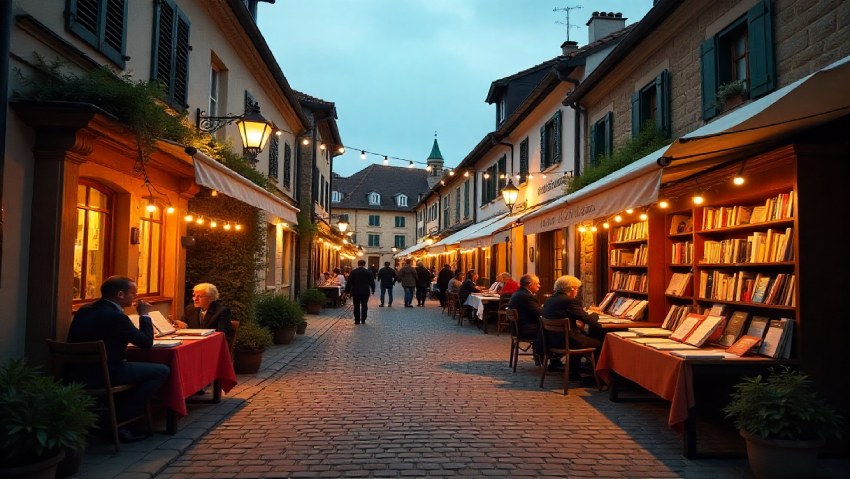
For literary tourists, Óbidos offers a rich cultural experience. The town’s narrow cobblestone streets are lined with historic buildings, many of which now house bookshops and cafes where authors and readers can mingle. With its charming atmosphere and dedication to literary culture, Óbidos has become a prominent player in literary tourism, standing out as a major literary destination in Portugal.
Kraków, Poland: A City Steeped in Literary Tradition
Poland has long been known for its strong literary tradition, and Kraków, a UNESCO City of Literature, is at the heart of this rich cultural heritage. Inscribed in 2013, Kraków is celebrated for its publishing tradition dating back to the 16th century. The city’s literary tourism infrastructure is well-developed, making it a prime destination for literary enthusiasts who wish to explore the roots of Polish literature.
Kraków offers a wide range of literary experiences. One of the city’s key offerings is its literary walks, which guide visitors through the streets and landmarks that inspired some of Poland’s most famous writers. The Conrad Festival, one of the most prestigious literary festivals in Poland, takes place in Kraków every year, drawing international authors and readers to celebrate literature. Additionally, Kraków is home to several international writers’ residencies, which further contribute to the city’s vibrant literary scene.
In November 2025, the city of Gdańsk joined the ranks of UNESCO Cities of Literature, further solidifying Poland’s position as a leader in literary tourism. The addition of Gdańsk to this prestigious list is a sign of Poland’s growing commitment to preserving its literary heritage and promoting its literary tourism offerings. This recognition, combined with Kraków’s already well-established literary tourism infrastructure, positions Poland as one of the leading countries in literary tourism in Europe, alongside traditional literary giants.
Lillehammer, Norway: A Growing Literary Destination
Lillehammer, a picturesque town in Norway, may not be as well-known as some of Europe’s larger literary destinations, but it has made a strong impression in recent years. In 2017, Lillehammer was designated as a UNESCO City of Literature, marking its entry into the literary tourism scene. The town has embraced this recognition, using it as a platform to promote its literary heritage and attract book lovers from around the world.
Lillehammer’s literary program is recognized in the Scandinavian context and is part of the broader UNESCO network for literary tourism. The town hosts a variety of literary events, including readings, author talks, and literary festivals. These events are designed to engage visitors with Norway’s rich literary history and to foster a deeper connection between tourists and the written word.
Though smaller in scale compared to other UNESCO Cities of Literature, Lillehammer’s efforts in developing literary tourism are commendable. By fostering a literary culture and offering visitors a chance to explore Norway’s literary landmarks, Lillehammer has firmly positioned itself as a growing literary tourism destination in Europe.
Barcelona, Spain: A Publishing Hub with Literary Prestige
Barcelona, one of Spain’s most iconic cities, is another leading destination for literary tourism in Europe. In addition to its well-established reputation as a cultural and historical hub, Barcelona is a UNESCO Creative City of Literature. The city’s literary heritage, combined with its publishing strength, has made it an attractive destination for literary tourists.
Barcelona is home to one of the largest Spanish-language publishing hubs, with a rich tradition of literary output that spans centuries. The city’s vibrant literary scene includes a variety of literary events, including book fairs, author readings, and literary festivals. Barcelona’s UNESCO designation highlights the city’s commitment to fostering a strong literary culture, and its literary tourism offerings are continually growing.
The city’s tourism board promotes its literary identity, offering experiences like literary walks, visits to famous writers’ homes, and themed cafes where visitors can enjoy a book and a coffee. Barcelona’s status as a major cultural and publishing center ensures that it remains an important destination for literary tourists, and its continued growth in the literary tourism market makes it one of the top contenders in Europe.

Exploring Literary Tourism in Europe: A Guide
Europe is home to some of the world’s most renowned literary landmarks, and for those with a passion for books and literary history, it offers a treasure trove of experiences. From walking the streets of Ljubljana, Slovenia, to exploring the medieval streets of Óbidos, Portugal, or immersing in Kraków’s literary festivals, Europe has something for every literary enthusiast. Here’s a detailed guide to the top destinations and activities in five exceptional cities, each offering its own unique slice of literary history.
1. Ljubljana, Slovenia: A City of Literature
Ljubljana, Slovenia’s charming capital, earned the prestigious title of UNESCO City of Literature in December 2015. Known for its thriving book culture and impressive literary heritage, the city offers a wide range of literary activities that attract readers, writers, and history lovers alike.
Why Visit Ljubljana for Literary Tourism
- Ljubljana is home to an impressive literary infrastructure, with more than 500,000 library members and over 850 books published annually.
- The city supports a vast network of book-related activities, including literary events, author residencies, and more.
- The “Literary Trails of Ljubljana” invite visitors to explore memorial houses and author-related landmarks throughout the city.
Literary Experiences in Ljubljana
- Literary Trail: Walk through Ljubljana’s pedestrian-friendly Old Town, stopping by memorial houses dedicated to Slovenian authors and learning about the city’s literary history.
- Festivals and Events: Attend the Stories Today Festival, World Poetry Day readings, or the Vzkrik Festival of Drama Writing. These events showcase Slovenia’s vibrant literary scene and bring together writers from around the world.
- Palace of Literature: Explore the Palace of Literature project, which focuses on Slovenian literary history and offers residencies for writers at Švicarija/Swisshouse. This project highlights the city’s commitment to literature and provides a space for creative expression.
- Café Culture: Enjoy the literary atmosphere of Ljubljana’s cafés, especially those along the Ljubljanica River. Many of these cafés have long been frequented by local authors, and sitting in one with a good book offers a truly immersive experience.
- Explore Slovenia’s Literary Culture: Use Ljubljana as a base to visit independent bookstores and libraries, and discover Slovenian publishing heritage, which is an integral part of the city’s identity.
Suggested Itinerary
- Day 1: Morning – Take a walking tour of Ljubljana Old Town and follow the literary trail, visiting author houses and reading benches. Afternoon – Visit the Palace of Literature or explore one of the city’s many book-centre exhibitions. Evening – Attend a literary event, such as a reading or festival.
- Day 2: Visit independent bookstores and libraries, enjoy a leisurely time at a riverfront café, or explore suburban sites connected to local authors and their literary contributions.
2. Óbidos, Portugal: The Book-Lover’s Dream
Óbidos, a medieval town in Portugal, is officially designated as a UNESCO Creative City of Literature. Its commitment to promoting reading and writing has transformed the town into a haven for book lovers. With a blend of historic charm and modern literary experiences, Óbidos is a must-visit for those passionate about literature.
Why Visit Óbidos for Literary Tourism
- Óbidos boasts a large number of bookshops housed in historical buildings, including churches, fire departments, and wine cellars, offering a unique experience for visitors.
- The town promotes a culture of writing and reading through festivals, such as the FÓLIO International Literary Festival, and through its overall book-town experiences.
Literary Experiences in Óbidos
- Wander the Streets: Explore Óbidos’ cobbled streets lined with independent bookshops. Notably, the Grande Livraria de Santiago is located inside a church and offers a unique setting for book lovers.
- Book-Exchange: Visit the Silver Coast Volunteers Book Exchange, which operates in the town and encourages visitors to exchange books, further cementing Óbidos’ role as a book-town destination.
- FÓLIO Festival: If you’re visiting during the FÓLIO Festival, don’t miss the opportunity to attend author talks, participate in readings, or join writing workshops that highlight Portugal’s literary culture.
- Literary Cafés: Relax in one of the town’s many literary cafés, where you can enjoy a book in a cozy, book-themed environment. Many of these spaces are former heritage sites converted into hubs for book lovers.
- Explore the Castle: Take time to visit Óbidos’ historic castle and town walls, which offer not only fantastic views of the town but also an authentic feel of the area’s long-standing literary tradition.
Suggested Itinerary
- Day 1: Arrive in Óbidos, take a stroll along the town walls, and visit major bookstores housed in unique settings like the church or wine cellar. Evening – Relax in a reading-friendly café or attend a reading event, if available.
- Day 2: Participate in a workshop or attend a festival talk, explore the book-exchange, and perhaps purchase a special book from the town’s collection. Enjoy the historical and cultural landmarks, such as the Óbidos Castle.
3. Kraków, Poland: A City of Rich Literary Tradition
Kraków, one of Poland’s most culturally significant cities, was inscribed as a UNESCO City of Literature in 2013. The city’s deep literary roots, supported by a strong literary tradition, make it a perfect destination for literary tourists.
Why Visit Kraków for Literary Tourism
- Kraków’s UNESCO designation highlights the city’s cultural importance, supporting independent bookshops, authors, translators, and publishers.
- The city hosts a variety of literary events, including the Conrad Festival, one of Poland’s most prestigious literary festivals.
Literary Experiences in Kraków
- Literary Walks: Join a guided literary walk through Kraków’s Old Town, where you can explore sites connected to famous authors like Wisława Szymborska, Czesław Miłosz, and Stanisław Lem.
- Bookshops and Book Fairs: Visit Kraków’s independent bookstores and explore its book fairs. These events are integral to Kraków’s literary landscape and offer an opportunity to delve deeper into Polish literary history.
- Literary Festivals: Attend a festival or visit exhibitions dedicated to Polish authors and literature. The Conrad Festival is a must-visit, offering readings, discussions, and workshops led by renowned authors.
- Explore Kraków’s Historic Centre: Kraków’s Old Town, a UNESCO World Heritage Site, is the perfect backdrop for literary tourism. Explore its medieval market square, quaint streets, and other places that have inspired writers throughout history.
Suggested Itinerary
- Day 1: Start with a walking tour of the Old Town, focusing on author heritage sites. In the afternoon, enjoy a literary walk and visit independent bookstores. Evening – Visit a café where writers have gathered throughout the years.
- Day 2: Attend a festival or literary program if available, explore the Kazimierz district for its literary vibe, and enjoy Kraków’s literary ambience.
- Day 3 (Optional): Take a book-themed excursion or visit a bookstore event, then explore other cultural sights within the city.
4. Lillehammer, Norway: A Nordic Literary Hub
Lillehammer, Norway, although a smaller city, holds a prominent position in the literary tourism landscape. It was designated a UNESCO City of Literature in 2017 and is home to the largest literature festival in the Nordic region.
Why Visit Lillehammer for Literary Tourism
- Lillehammer offers a rich literary heritage with author homes such as Aulestad (Bjørnstjerne Bjørnson’s former residence) and Bjerkebæk (Sigrid Undset’s home).
- The city hosts the Norway Literature Festival, the largest of its kind in the region, attracting authors and readers from around the world.
Literary Experiences in Lillehammer
- Author Homes: Visit the Aulestad museum (Bjørnstjerne Bjørnson’s former home) and Bjerkebæk (Sigrid Undset’s residence). These homes provide a glimpse into Norway’s literary past and its deep connection to the natural surroundings.
- Norway Literature Festival: Attend the Norway Literature Festival if your visit coincides with the event. This festival includes author talks, workshops, and slam poetry, offering a fantastic way to engage with Norway’s literary culture.
- Local Bookshops and Exhibitions: Lillehammer boasts numerous local bookstores and exhibitions dedicated to Norwegian literature, freedom of expression, and youth writing programs.
Suggested Itinerary
- Day 1: Visit the Aulestad museum in the morning, then stroll through Lillehammer’s town centre, visiting local bookstores and literary exhibitions.
- Day 2: Attend part of the Norway Literature Festival or engage in a reading or workshop event. Take time to explore Lillehammer’s surrounding natural beauty, which often serves as inspiration for local authors.
5. Barcelona, Spain: A Literary Capital of Catalan and Spanish Literature
Barcelona, Spain, holds the title of UNESCO City of Literature, and its rich literary heritage makes it a top destination for literary tourism. As a major publishing hub in both Spanish and Catalan, Barcelona attracts literary tourists from around the world.
Why Visit Barcelona for Literary Tourism
- Barcelona has a rich history of Spanish and Catalan literature and is home to numerous literary festivals and events.
- The city offers a blend of literary cafés, author heritage sites, and unique bookstores.
Literary Experiences in Barcelona
- Literary Walking Tour: Explore places mentioned in novels, visit houses of famous authors, and stop by cafés frequented by writers. Barcelona’s literary tours offer insight into how the city has influenced many literary works.
- Bookshops and Publishing Hubs: Visit Barcelona’s independent bookstores and publishing districts, an essential part of the city’s literary heritage.
- Literary Festivals and Events: Barcelona hosts a variety of literary festivals throughout the year. Attend readings, author events, and cultural festivals dedicated to contemporary Spanish and Catalan literature.
- Explore Iconic Neighbourhoods: Barcelona’s El Born and Gothic Quarter are two neighbourhoods that have inspired countless writers. Wander through their narrow streets and immerse yourself in the literary history that permeates these areas.
Suggested Itinerary
- Day 1: Begin with a literary walking tour starting at Plaça Reial or the Gothic Quarter, then visit local bookshops and attend an author reading or literary café discussion in the evening.
- Day 2: Explore the publishing districts and libraries, and dive deeper into Spanish and Catalan literature. Attend a literary festival or event, if available.
- Day 3 (Optional): Take a themed tour related to a specific writer or novel that is closely linked to the city.
Key Data and Trends in Literary Tourism
The global literary tourism market is expected to reach USD 2,387.8 million in 2024, with projections to grow to USD 3,303.7 million by 2034, representing a CAGR of 3.3%. This growth reflects increasing interest in literary heritage and cultural tourism, providing opportunities for readers and travellers to explore locations tied to famous authors and literary events. As part of the broader heritage tourism sector, which is expected to grow from USD 604.38 billion in 2024 to USD 778.07 billion by 2030, Europe plays a key role, accounting for 33.15% of the global heritage tourism share. The rise of authentic, immersive experiences, including literary festivals and author heritage sites, is driving growth in literary tourism, with social media and digital sharing amplifying these trends. However, challenges remain in quantifying literary tourism specifically, as it is often grouped under broader categories like heritage tourism, and data collection is complicated by varying definitions. While the CAGR for literary tourism (3.3%) is more modest than the heritage tourism sector (4.5%), the growing interest in cultural tourism (8% CAGR) is expected to help boost literary tourism, especially in Europe, which has deep literary roots and is likely to capture a significant share of the growing market in the coming years.
Conclusion
As we move into 2025, Slovenia, Portugal, Poland, Norway, and Spain become the ultimate literary tourism powerhouse. These countries are rapidly gaining recognition for their rich literary heritage, with book lovers flocking to explore hidden gems and immerse themselves in the world of literature. Slovenia, alongside Portugal, Poland, Norway, and Spain, offers travelers unique literary experiences, from author heritage sites to literary festivals, all set against culturally vibrant backdrops. As these countries continue to develop their literary tourism offerings, they provide not only captivating experiences for visitors but also an opportunity to rediscover the power of the written word. Whether you are an avid reader or just starting your literary journey, these emerging destinations are quickly becoming the go-to spots for literary enthusiasts. Get ready to explore these fascinating, off-the-beaten-path literary destinations and see why they’re becoming the ultimate literary tourism powerhouse!
