
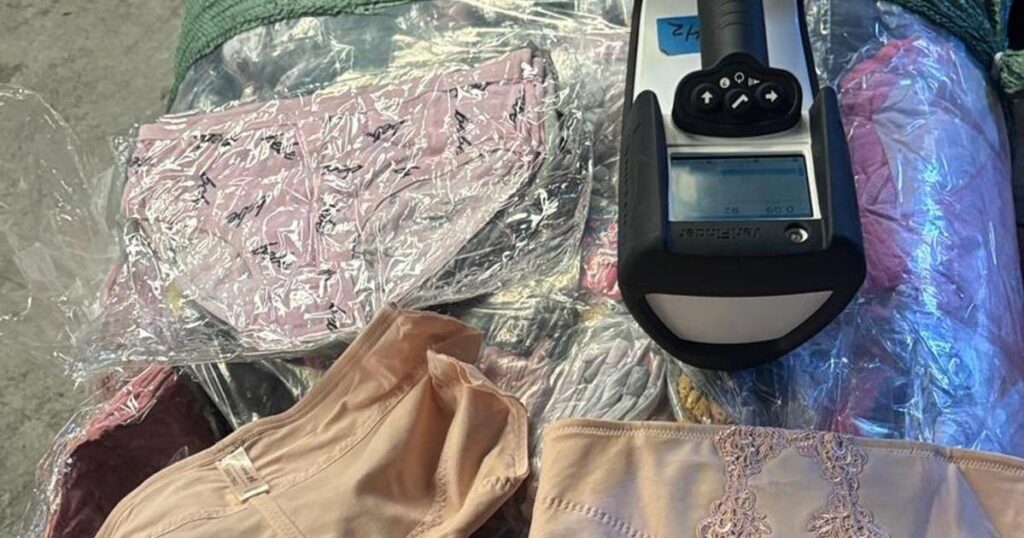
Malta Customs detected radioactive contamination in a textile shipment as part of Operation Stingray, the first World Customs Organisation initiative targeting illicit trafficking of nuclear and other radioactive material.
A container inspection triggered a gamma radiation alarm while transiting through a fixed radiation portal monitor. The shipment, consisting of 18,000 kg of garments, was in transit to Algeria and the garments were found to be radioactive.
A WCO statement on Thursday said that if the contamination had not been detected by Malta customs, the clothes “could have entered the market, potentially exposing the public to radiation”.
Malta was one of 89 customs administration from around the world that participated in the operation, codenamed Stingray, which resulted in a total of 51 seizures by 18 administrations over three weeks.
Operation Stingray was the first WCO operation to focuse on detections involving nuclear and other radioactive materials out of regulatory control (MORC) raising customs’ awareness of the threats associated with the illicit trafficking of such materials and its crucial role in detecting them to prevent their further circulation.
The exercise also led Angola’s customs to flag a legal air cargo shipment of Iridium-192, a highly radioactive source, to Portugal, prompting Portuguese customs to verify compliance. Upon inspection, Portugal’s customs uncovered a misdeclaration.
“This case demonstrated the importance of real-time cross-border communication enabling cutoms to cross-check and compare import and export data,” the WCO said.
The operation also resulted in seizures of drugs, tobacco products, currency, ammunition, blank firing guns, air rifles, counterfeit goods, wildlife and other restricted items.