
Published on
November 9, 2025

Travelers heading abroad in 2026 may need to budget more as a number of popular tourist destinations introduce or expand new tourist taxes.
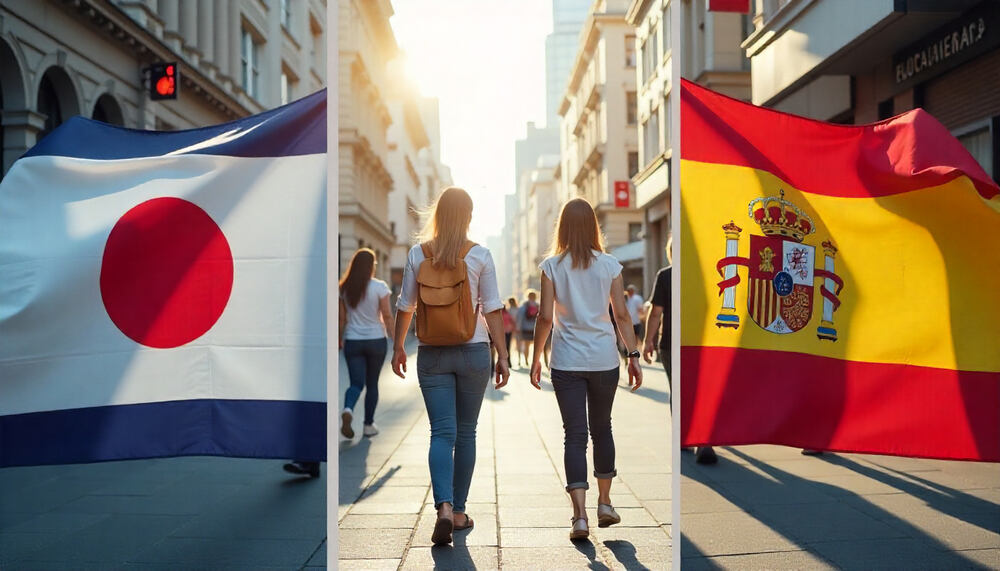
Travelers heading abroad in 2026 may need to budget more as a number of popular tourist destinations introduce or expand new tourist taxes. These measures, designed to address the challenges of over-tourism, will help fund the maintenance of local infrastructure and ensure the sustainability of destinations for both locals and visitors. Thailand, Japan, Norway, Greece, Italy, and Spain are leading the charge with these new levies, signaling a global shift toward responsible tourism. While these taxes may increase travel costs, they are aimed at preserving the unique appeal of these destinations and ensuring they remain vibrant for future generations.
Thailand: New Entry Fee to Fund Infrastructure
Thailand will start charging a 300-baht tourism entry fee from February 2026, known as ‘Kha Yeap Pan Din’. This levy will apply to all foreign visitors arriving by air, land, or sea. The breakdown of the fee is as follows: 70 baht will be used to provide travel insurance coverage for visitors, while the remaining amount will fund infrastructure improvements and emergency services, which are crucial to accommodate the growing number of tourists. The fee will be collected by airlines and border authorities, with possible exemptions for work-visa holders and frequent travelers who are more likely to contribute to the country’s economy. This move reflects Thailand’s efforts to balance tourism with local needs and maintain its allure as a popular global destination.
Japan: Kyoto’s Hotel Tax and Mount Fuji Climbing Fee
Japan is addressing over-tourism through a two-pronged approach. Starting in March 2026, Kyoto will implement a tiered hotel tax based on accommodation types, ranging from ¥200 per night for budget accommodations to ¥10,000 per night for luxury hotels. The revenue is expected to generate ¥12.6 billion annually, which will be used to improve public transport and ease the burden on the city’s infrastructure. In addition, Japan has introduced an entry fee for Mount Fuji climbers. Visitors wishing to climb the iconic mountain will need to make an advance reservation and pay a ¥4,000 entry fee. A daily cap of 4,000 climbers will be enforced to reduce overcrowding and improve safety for all. Both initiatives aim to manage the strain on Japan’s cultural and natural sites while ensuring they remain accessible for future visitors.
Norway: Municipal Tourism Levy
Norway plans to introduce its first national tourist tax by the summer of 2026, with municipalities in popular tourist destinations allowed to charge up to 3% on overnight stays and cruise visits. This measure is designed to ease the pressure on local infrastructure, particularly in Norway’s famed fjord towns and Arctic regions, where tourist numbers have skyrocketed in recent years. Locations such as Bergen, Tromsø, and Geiranger are expected to implement the levy first. The funds generated will be allocated to maintaining hiking trails, public toilets, parking facilities, and other essential services that enhance the visitor experience while protecting the environment.
Greece: Cruise Passenger Fees for Popular Islands
Greece is tackling the growing influx of cruise passengers with a new disembarkation fee for those visiting popular island destinations. The fee will be €12 for passengers disembarking in Santorini and Mykonos, with smaller island ports charging €3 during regular months. In peak season, fees will rise to €20 and €5, respectively. The revenue generated will be directed towards improving port facilities, waste management systems, and crowd-control measures to mitigate the pressure on local communities and ensure that Greece’s beautiful islands remain sustainable tourist hotspots.
Italy: Venice’s Day-Tripper Fee
Venice, one of the world’s most visited cities, has reintroduced a day-trip visitor fee as part of its ongoing efforts to manage tourism congestion. The €5 charge applies to visitors who do not stay overnight, with late bookings being charged €10. This fee will be enforced on 54 high-traffic days between April and July and is designed to regulate the number of short-term visitors in the city. The fees will be collected via QR code registration, and the funds will be used to support conservation efforts and infrastructure maintenance, helping to preserve the delicate balance of tourism and local life in Venice. The measure has already proven successful, generating €2.4 million in 2024, a sum that has helped offset the growing challenges posed by mass tourism.
Spain: Regional and City Tourism Taxes
Spain has been expanding its tourist tax system, particularly in Catalonia and Barcelona. The current €4 per night levy will rise to €5 in 2026, with projections to reach €8 by 2029. Other regions, including Galicia, the Basque Country, and the Balearic Islands, are also introducing similar taxes. These fees will be applied to both accommodations and cruise stops, and the revenue will be invested in sustainability projects, such as heritage preservation, environmental conservation, and the maintenance of public spaces. The new taxes are part of Spain’s broader effort to manage the environmental impact of tourism while ensuring that the benefits of tourism are shared more equitably between visitors and local communities.
