
Published on
November 9, 2025

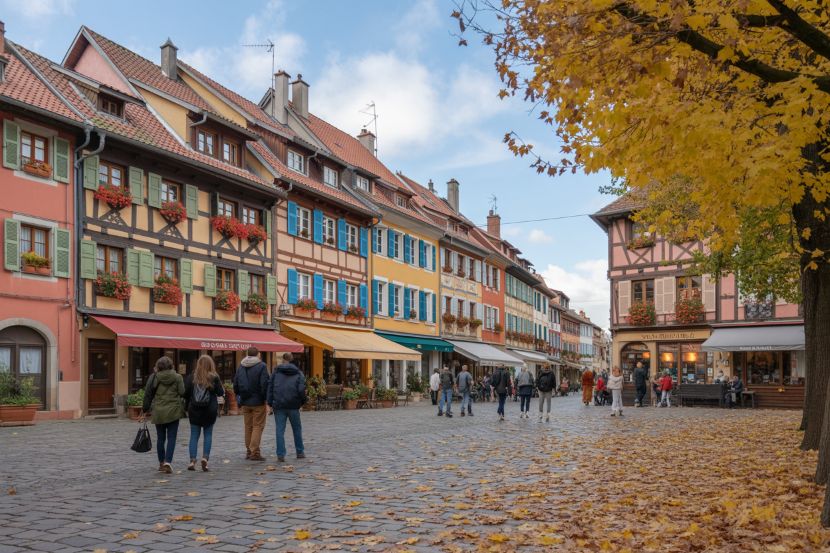
As Europe faces the pressures of overtourism, fall has rapidly emerged as the new preferred travel season. With climate change causing unbearable summer heatwaves, and the demand for less crowded destinations growing, travelers are increasingly flocking to Europe in September and October rather than during the sweltering summer months. This shift is reshaping the tourism industry, offering benefits like lower prices and quieter attractions. Countries like Italy, Spain, Greece, and France are at the forefront of this transformation, attracting tourists who now see autumn as the ideal time for European travel. Let’s explore why fall is becoming the new peak season and how it is redefining tourism in Europe.
Changing Seasons: A Shift in Travel Trends
The idea of summer as peak travel season is quickly being overshadowed by a shift towards autumn. In 2024, data revealed that nearly 22% of Europeans opted for autumn travel, closely competing with the traditional summer months. This trend is driven by a variety of factors including climate change, the economic burden of peak-season travel, and the growing desire for less crowded destinations.
It is no longer just about escaping the heat. Travelers are now aware that fall travel in Europe offers an entirely different experience: lower costs, beautiful weather, and fewer crowds. Even in the busiest cities, like Rome and Paris, the autumn months provide the perfect balance of comfort and accessibility.
The Role of Climate Change in the Fall Travel Surge
Climate change has had a significant impact on summer travel, with heatwaves across Europe making traditional sightseeing uncomfortable, even dangerous. Southern Europe, including Greece and Italy, has faced record-breaking temperatures, causing widespread wildfires and making outdoor activities unbearable.
In contrast, autumn brings moderate temperatures and clear skies, making it the ideal time to explore cities like Rome, Paris, and Barcelona. Tourists are now discovering that fall offers not just a reprieve from the summer heat but also more comfortable conditions for exploring iconic landmarks and picturesque landscapes. This shift is prompting an increasing number of visitors to consider September and October for their European trips.
The Economics of Autumn Travel
One of the most appealing aspects of traveling in autumn is the financial benefit. With the rise in summer hotel prices, tourists are opting for the more affordable months of September and October. In fact, average nightly accommodation rates drop by up to 27% in the fall, making it an attractive option for those seeking to travel without breaking the bank. Additionally, airfares to Europe from destinations like the United States are also considerably lower during this period.
For budget-conscious travelers, this is an ideal time to experience luxury destinations at a fraction of the usual cost. For example, hotel chains and budget hostels in cities such as Venice and Paris report increased occupancy during the autumn months, signalling that more travelers are discovering the economic advantages of visiting Europe in the fall.
Overtourism Fatigue and the Quest for Peace
Overtourism has been a growing issue in Europe, especially in cities like Barcelona, Venice, and Amsterdam, where the sheer volume of visitors has led to protests and overcrowding. The pressures of high tourist numbers have caused many cities to introduce measures like tourist taxes or limited access to popular attractions.
The fall season offers a much-needed respite from the summer tourist rush. With fewer crowds and a more relaxed atmosphere, travelers can enjoy destinations like Italy’s Amalfi Coast or Greece’s Santorini without the usual hustle and bustle. This is particularly appealing to those looking to avoid long lines and crowded attractions. The shift to autumn tourism is, therefore, a welcome relief not only for tourists but also for local communities and governments concerned about sustainability.
Demographic Shifts: Who is Traveling in Autumn?
A surprising demographic driving the autumn travel boom is older adults. Europeans aged 55 and above are leading the charge in fall travel, with a significant 82% of this age group planning trips in the autumn months. This shift reflects changing lifestyle patterns, as older generations enjoy greater flexibility in travel and can afford to avoid the traditional summer rush.
However, younger travelers are also embracing this trend. Gen Z in particular is showing increased interest in fall travel, with searches up 26% compared to previous years. The appeal of affordability and less crowded destinations is particularly compelling for younger travelers who are mindful of budgetary concerns.
Tips for Travelers Heading to Europe This Fall
For those planning an autumn getaway to Europe, here are some essential tips:
- Book early: While fall offers cheaper prices, demand is rising. Early booking ensures you get the best deals on accommodation and attractions.
- Pack smart: Be prepared for unpredictable weather. Layers are key in Europe during this season, as temperatures can fluctuate.
- Explore less-visited destinations: Look beyond the usual hotspots and visit off-the-beaten-path cities. This allows you to enjoy a quieter and more authentic European experience.
- Check for local events: Autumn is harvest season in many countries. Italy and France, for example, hold numerous food festivals during this time, which can provide a unique travel experience.
Europe’s Hidden Autumn Gems
While traditional destinations like Paris and Rome will always remain popular, autumn opens the door to new experiences in lesser-known European spots. For example, the Czech Republic and Slovakia offer vibrant fall foliage and charming towns that are far less crowded than places like Vienna or Budapest.
For wine lovers, the wine regions of France and Spain provide the perfect backdrop for exploring vineyards and tasting seasonal harvests. Countries like Portugal and Italy also offer stunning natural landscapes that are even more spectacular during the autumn months, with fewer tourists to compete with for the best views.
Final Thoughts: A New European Travel Era
The rise of autumn travel in Europe is more than just a trend—it’s a fundamental shift in how we approach vacations. Driven by climate change, economic factors, and the desire to escape the crowds, travelers are embracing September and October as the new peak season. Whether it’s the allure of Italy’s historical treasures, France’s tranquil vineyards, or Spain’s quiet coastal towns, the fall season offers an exciting, more sustainable alternative to traditional summer vacations.
