
Published on
November 9, 2025

The Gumi Ramen Festival 2025, hosted in Gumi City, Gyeongbuk Province, celebrates a remarkable achievement in attracting 350,000 visitors over three days. This is a substantial increase from 170,000 visitors in 2024, further solidifying this event’s place in Gumi City’s economic development and tourism growth. This year’s festival celebrates innovative themes, distinctive ramen dishes, and K-Pop culture, demonstrating Gumi’s blossoming international tourism and culinary ramen culture.
The Growth of Gumi Ramen Festival: A Rapidly Expanding Event
First held in 2022, the Gumi Ramen Festival started as a small gathering with just 10,000 attendees. Over the years, the event has grown significantly, with the number of visitors increasing annually. By 2025, the festival had reached an all-time high of 350,000 attendees, signaling the event’s growing popularity and Gumi’s rising prominence as a tourism destination.
This year’s record-breaking attendance underscores the festival’s successful evolution into a major cultural and culinary event in South Korea. It reflects both the city’s commitment to promoting local food culture and the increasing demand for unique, immersive experiences that blend food, entertainment, and culture.
KPop and Ramen: A Perfect Cultural Fusion
The theme of this year’s festival, inspired by the Netflix animated series KPop Demon Hunters, played a crucial role in attracting both local and international tourists. The show’s characters were featured in promotional materials and events, further elevating the festival’s appeal, particularly among younger audiences. Visitors had the chance to take commemorative photos with characters from the show, who were depicted eating ramen, providing a fun and interactive experience for fans of K-pop and anime alike.
The popularity of KPop Demon Hunters also contributed to the festival’s cultural appeal. Attendees participated in various K-pop-themed activities, including a KPop Demon Hunters Noodle Challenge, where visitors mimicked the main characters by attempting to eat cup ramen in one bite. There was also a Saja Boys Random Play Dance, where tourists danced along to moves performed by the antagonist idol group, further engaging visitors in the vibrant K-pop culture that has taken the world by storm.
The fusion of K-pop culture with Korean cuisine created a dynamic and engaging atmosphere that drew in tourists who may not have previously considered attending a food-centric festival. The involvement of K-pop, combined with the universal love for ramen, made the event appealing to a global audience, reinforcing South Korea’s position as a leader in pop culture and culinary tourism.
A Boost for Local Economy and Sales
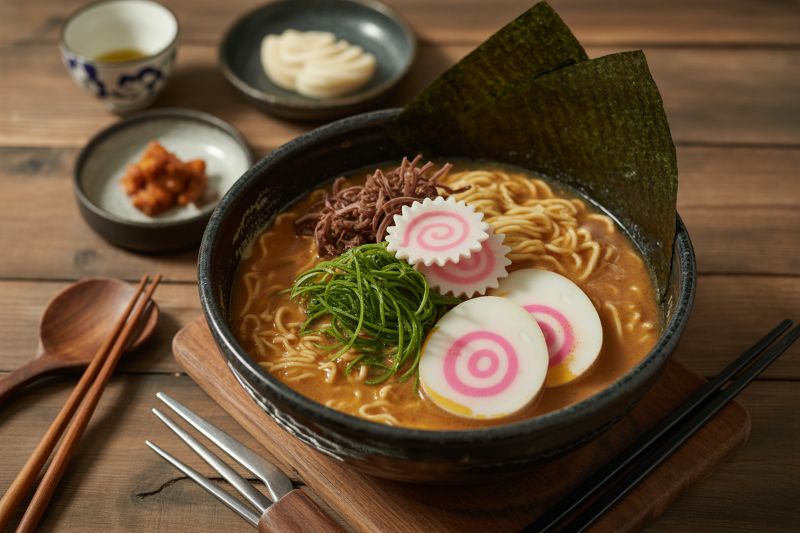
The festival’s success was not only measured by the number of attendees but also by the substantial economic impact it had on Gumi’s local economy. With 25 unique types of ramen offered at the “Ramen Restaurant” booths, the festival became a major economic driver, generating 600 million Korean won from the sale of 54,000 bowls of ramen. Among the most popular dishes were Gumi Hanwoo Pabulgogi Kimchi Ramen, Red Crab Ramen, and Whole Squid Seafood Ramen—each made with freshly fried ramen and local agricultural products, giving tourists a taste of Gumi’s culinary heritage.
In addition to the ramen served at the festival, packaged ramen also became a hot commodity. Over the three days, a staggering 480,000 packages of ramen were sold, including a limited-edition KPop Demon Hunters version, which sold a remarkable 120,000 units. The packaged ramen, sold for around 20,000 Korean won each, became a collector’s item for fans, with long lines stretching around 200 meters to purchase the products.
This surge in sales highlights the growing global appeal of Korean ramen, with tourists eager to bring home a taste of Gumi’s culinary offerings. The festival’s success is a testament to the potential for food tourism to drive local economies, with the ramen industry playing a central role in attracting both domestic and international visitors.
Innovative QR Code Ordering System Enhances Visitor Experience
In addition to its strong cultural and culinary offerings, the Gumi Ramen Festival also incorporated technological innovations to improve the overall experience for tourists. The introduction of a QR code-based ordering system played a key role in streamlining the event. By reducing waiting times and increasing table turnover rates, the system enabled more visitors to enjoy the food and activities without long delays, further enhancing the festival’s appeal.
This technology-driven solution not only made the event more efficient but also helped accommodate the large crowds, ensuring that tourists could enjoy their experience without feeling overwhelmed by long lines or wait times. The ease of use and accessibility of the QR code ordering system contributed to the festival’s smooth operation, helping to enhance its reputation as a well-organized and enjoyable event.
The Festival’s Impact on Gumi’s Tourism Sector
The Gumi Ramen Festival’s growing popularity has placed Gumi City firmly on the map as a key tourism destination in South Korea. For a city with a population of just 400,000, the festival’s ability to attract 350,000 visitors is a remarkable achievement. The festival not only boosts local sales and tourism but also highlights the region’s potential for further growth in the food and hospitality industries.
The success of the event underscores the importance of integrating cultural themes with local tourism offerings to create unique and memorable experiences. By tapping into global trends like K-pop and the rising popularity of Korean food, Gumi has effectively attracted a diverse audience, from food enthusiasts to K-pop fans, positioning itself as a hub for both food tourism and pop culture.
A Nationally Recognized Festival with Global Appeal
Looking ahead, Gumi City officials have expressed their intention to make the Gumi Ramen Festival a nationally recognized event that continues to attract international visitors. Gumi Mayor Kim Jang-ho emphasized the success of this year’s festival, stating that it was the best in history due to its ability to integrate industry, culture, and tourism through popular themes. The festival’s continued growth reflects a broader trend of leveraging unique local attractions and cultural trends to build sustainable tourism that can be enjoyed by people around the world.
By promoting its culinary heritage and embracing global pop culture, Gumi City has created a festival that not only draws large crowds but also generates significant economic benefits for the region. As Gumi continues to develop and refine its tourism offerings, the Gumi Ramen Festival is set to become a staple of South Korea’s tourism calendar, drawing food lovers and K-pop fans from across the globe for years to come.
A Blueprint for Successful Cultural Festivals
The Gumi Ramen Festival embodies the prospects food tourism can offer in stimulating the local economy, generating international interest, and forming opportunities for international cultural exchange. Gumi incorporated the world-renowned K-pop and Korean food traditions to establish a festival which attracts a diverse audience, a demographic cross-section of food tourists and pop-culture visitors. This type of event offers Gumi increased cultural and culinary tourism opportunities while serving as an example for integrating local customs and traditions with contemporary globalized practices for distinct tourism opportunities.
