
From the first elections of a free Kosovo to the elections of 2025

Express newspaper
09/11/2025 8:25
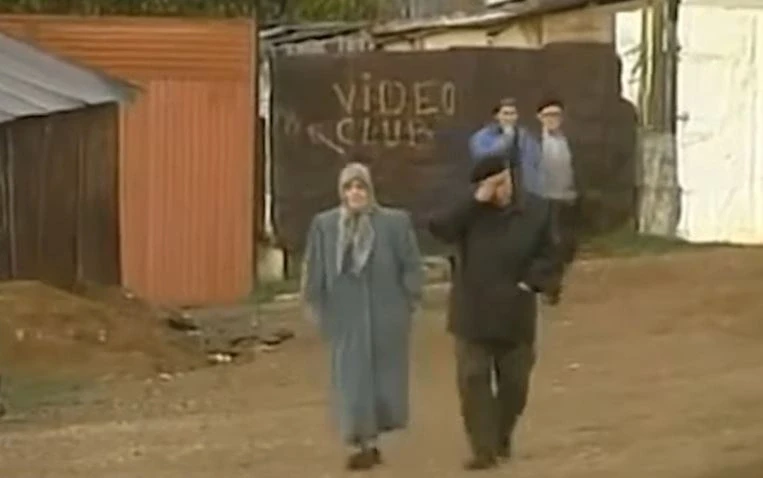
It was October 28, 2000, when for the first time in post-war Kosovo, citizens headed to the polling stations. Under the supervision of KFOR soldiers, Kosovars elected their first municipal assembly representatives.
Since 7 am, the lines were long to vote out of enthusiasm for the first elections in a free Kosovo.
A year later, on November 17, 2001, elections for the Assembly of Kosovo were also held for the first time.
And 25 years later, Kosovo is holding a runoff round in 18 municipalities.
On October 12, the first round of local elections in Kosovo was held, and out of the 38 municipalities that took part in the elections, 18 of them failed to elect a mayor the first time, so 4 weeks later, on November 9, Kosovo is heading to the second round of elections.
The election process in the country is divided into two periods, before and after Kosovo’s independence, this is because until the declaration of independence there had been other election processes, and the entire design of the electoral system remained the same until 2008, and after independence major changes occurred.
In the post-independence elections, the changes that came with it were the temporary use of the closed list system, the introduction of the electoral threshold, the abolition of absentee voting, developments in the voter register, and changes in the composition of the Central Election Commission.
In the electoral system designed in 2000, in the case of elections for assemblies such as municipal ones and for the Assembly of Kosovo, there was a proportional representation system with a formula favoring medium or small political parties, while in the case of elections for mayor, a majoritarian system was used.
The electoral legislation has been quite inclusive both in terms of the electorate and the political entities that have competed for elections and the voting programs that have facilitated the exercise of the right to vote, as well as in the preference for the preferential voting system.
The idea of promoting the underrepresented gender in the process, especially as candidates and elected representatives, has been present from the beginning.
Non-majority communities have had special treatment in the form of special reserved seats and preferential seat allocation rules.
Changes in data also came as a result of the creation of several new municipalities in 2009, which were separated from their parent municipalities.
Junik was created from the territory of the Municipality of Deçan, Partesh was created from the territory of the Municipality of Gjilan. Hani i Elezit was created from the territory of the Municipality of Kaçanik. Mamusha was created from the territory of the Municipality of Prizren and elections in this municipality were not held until 2009, while in the Municipality of Partesh elections were held in 2010. Graçanica was created from the territory of the Municipality of Prishtina, several villages from the Municipality of Lipjan and that of Fushë Kosovë were attached to this municipality. Elections in this new municipality were not held until 2009. Kllokot was created from the territory of the Municipality of Viti. Ranillug was created from the territory of the Municipality of Kamenica. North Mitrovica was created by dividing the previous single municipality of Mitrovica. So until 2007, 30 municipalities in Kosovo had elections, and after 2009 there were 38, the same continues to this day.
Since the post-war period, 9 electoral processes have been organized for the Kosovo Assembly alone, and 8 for municipal assemblies.
Direct elections for mayors began to be held in 2007 and since then, 6 such electoral processes have been organized.
Organizing and holding democratic elections is one of the largest and most comprehensive processes. Kosovo is an example of organizing peaceful and safe elections. /Koha