
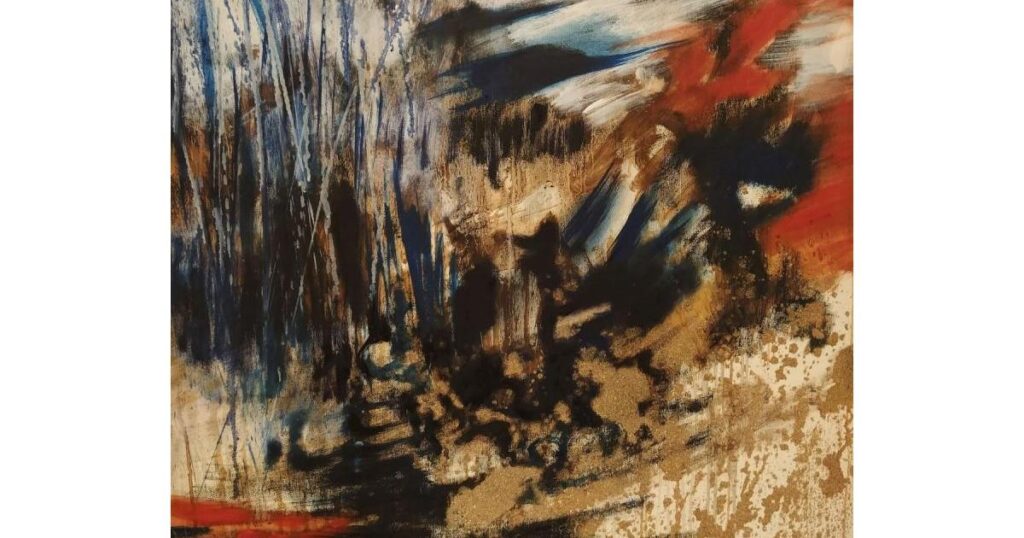
The historical narrative of Maltese art has long been dominated by the island’s baroque heritage, a legacy that continues to define its cultural identity both locally and abroad.
Internationally, Malta is associated with the Knights Hospitallers, Caravaggio, monumental baroque churches and prehistoric temples. Within this framework, modern art has remained peripheral – a marginal footnote rather than a central component of the national story.
Yet Malta’s modern art is an essential element of its identity, reflecting its engagement with European avant-garde currents and its unique post-war social, religious and political realities.
The post-war period witnessed the emergence of a distinct Maltese modernism. Artists of this era sought to engage with international modernist movements while negotiating Malta’s insular, Catholic and post-colonial condition, producing work that was both receptive to European trends and responsive to local socio-cultural constraints. This legacy deserves permanent recognition.
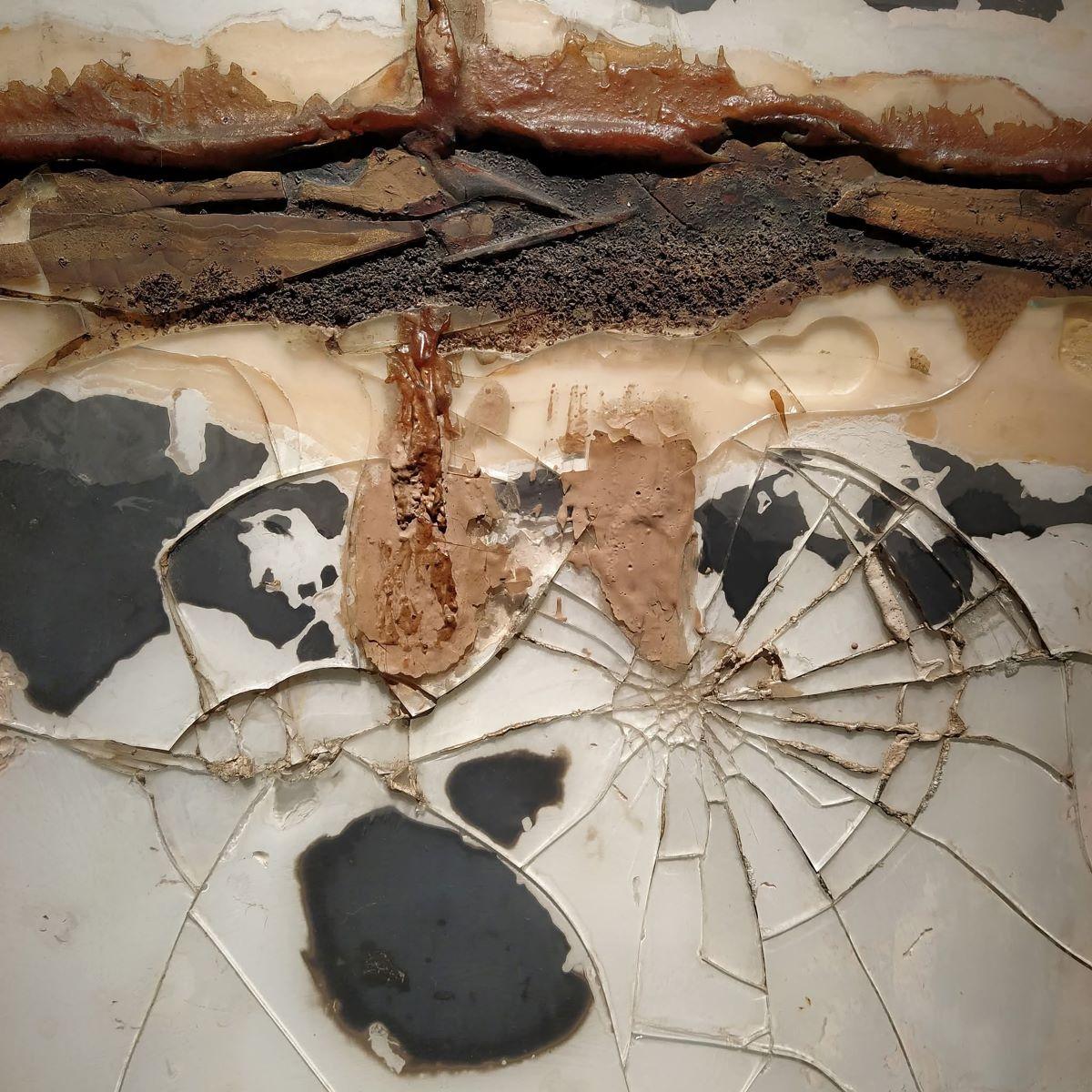 A work by Emvin Cremona from The Glass Collage exhibition at Victor Pasmore Gallery.
More than half a century later, Malta has yet to institutionalise this modernist heritage in the form of a national museum dedicated exclusively to modern art.
Unlike other European countries, which have consolidated their 20th-century artistic legacies in national museums of modern art, Malta allows its modernist heritage to remain fragmented. It is dispersed across a patchwork of institutions – state-led, private and foundation-driven – that offer valuable but incomplete perspectives.
MUŻA, the National-Community Art Museum in Valletta, spans work from the 15th to the early 21st century, organised around the narratives of Mediterranean, Europe, Empire and The Artist. While serving as Malta’s national museum of art, MUŻA’s acquisition policies were shaped by pro-Italian sentiment among Maltese elites, favouring academic and religious painting.
The modern section of the museum is limited to a modest display within the ground-floor Artist Galleries, dominated by Antonio Sciortino’s sculptures (the result of his 1947 bequest), with other modern artists relegated to the periphery. Temporary exhibitions are occasionally held at MUŻA, such as Giorgio Preca ta’ Malta held in 2021-2022 and Edward Pirotta, Sculptor held in 2025, but these interventions remain secondary to the museum’s overarching historical and baroque orientation.
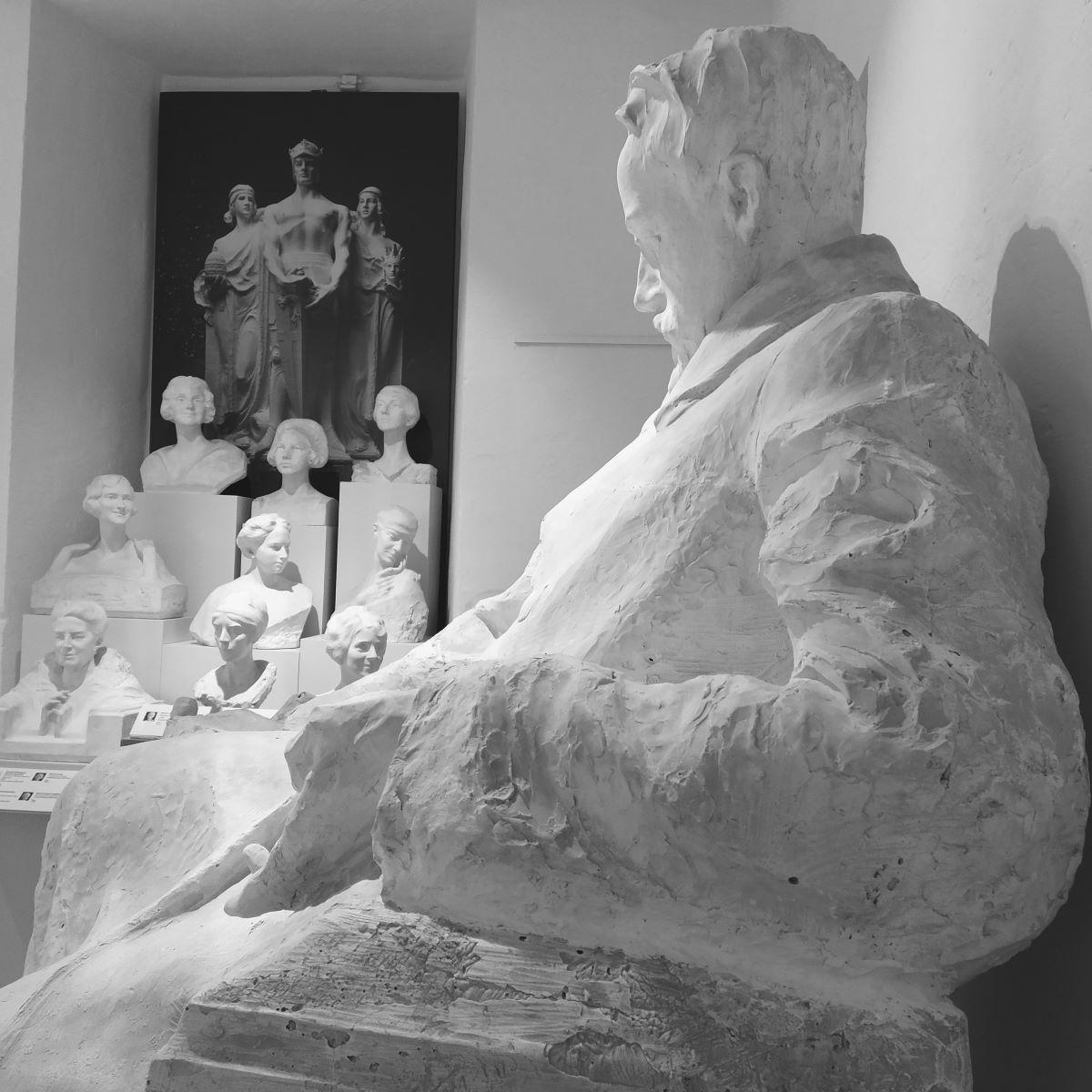 Works by Antonio Sciortino at MUŻA.
Similarly, Spazju Kreattiv holds occasional retrospectives of post-war artists, such as Celebrating the Life and Works of Antoine Camilleri (1922–2005) held in 2015 and Alfred Chircop’s retrospective …the struggle seems to be eternal held in 2024. However, this institution functions as a hub for creativity and as a laboratory for the present rather than as a custodian of modernist legacy.
Other institutions have stepped in to fill the void, though none offer the comprehensive mandate of a national modern art museum.
Gozo’s Il-Ħaġar Museum, established in 2013 through community crowdfunding, volunteer dedication and EU funding, is closely tied to St George’s basilica and primarily focused on liturgical and historical artefacts.
While primarily historical and religious in orientation, it has increasingly embraced modern art through temporary exhibitions, lectures and publications, weaving them into the island’s regional identity. But here, too, modernism is framed as an enrichment of heritage and Christian identity rather than asserted as a standalone cultural force.
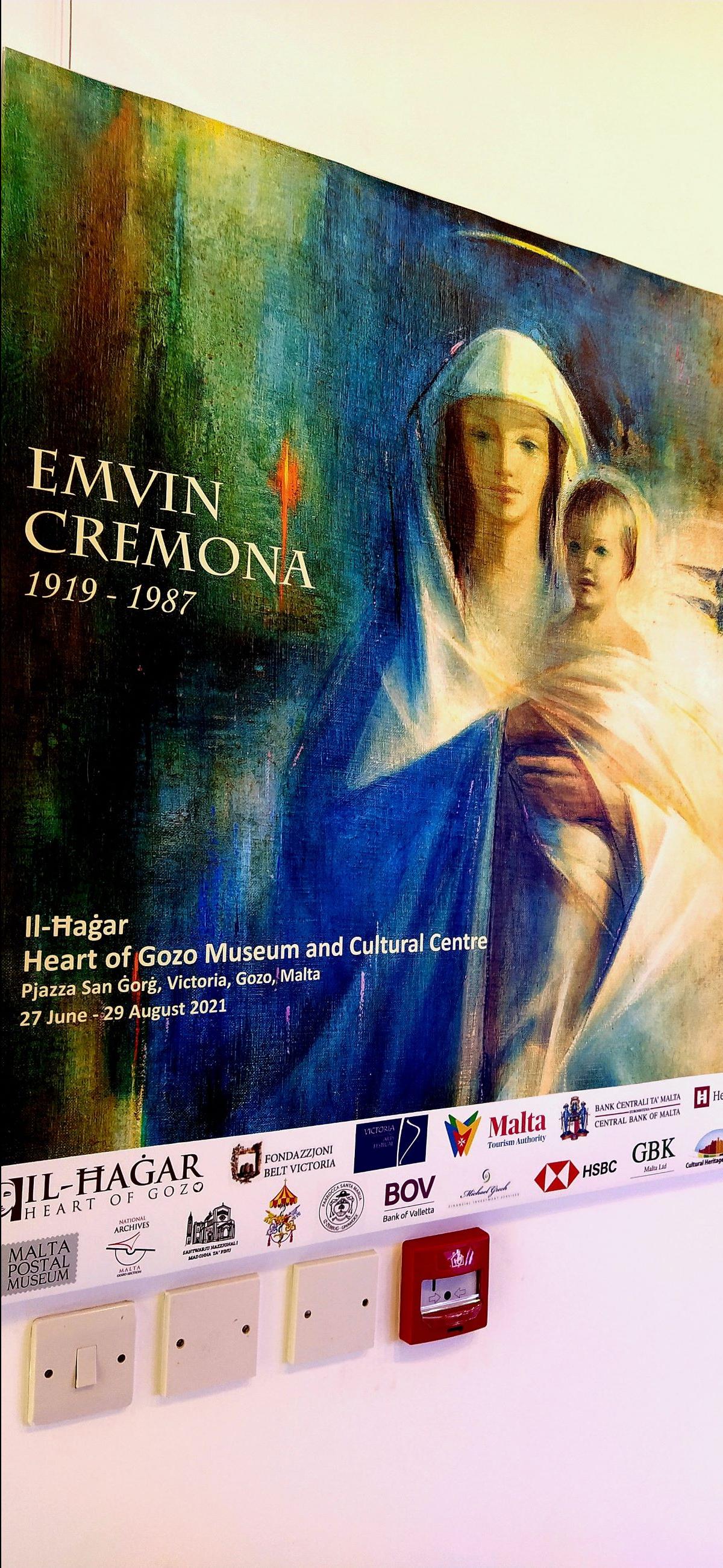 Emvin Cremona Exhibition at Il-Ħaġar Museum
The Victor Pasmore Gallery in Valletta, dedicated to the British abstract artist who spent much of his later life in Malta, provides a valuable counterpoint to MUŻA and Il-Ħaġar Museum’s historical focus. With its permanent collection of Pasmore’s works and an active programme of temporary exhibitions highlighting Maltese artists influenced by European modernist movements, the gallery foregrounds experimental and avant-garde practices.
Since its reopening in 2021 at the old APS headquarters in St Paul Street, the gallery has hosted three temporary exhibitions that situate Maltese modernism within broader international frameworks. Despite the professional curation and catalogue publications, however, the temporary nature of these exhibitions limits public access and prevents the formation of a permanent narrative.
Complementing these spaces are a number of artist-specific foundations and trusts, such as the Gabriel Caruana Foundation, the Alfred Chircop Trust and the George Fenech Art Museum. While these initiatives safeguard individual legacies and foster community engagement, they remain fragmented, each telling the story of one artist rather than of modern Maltese art as a whole.
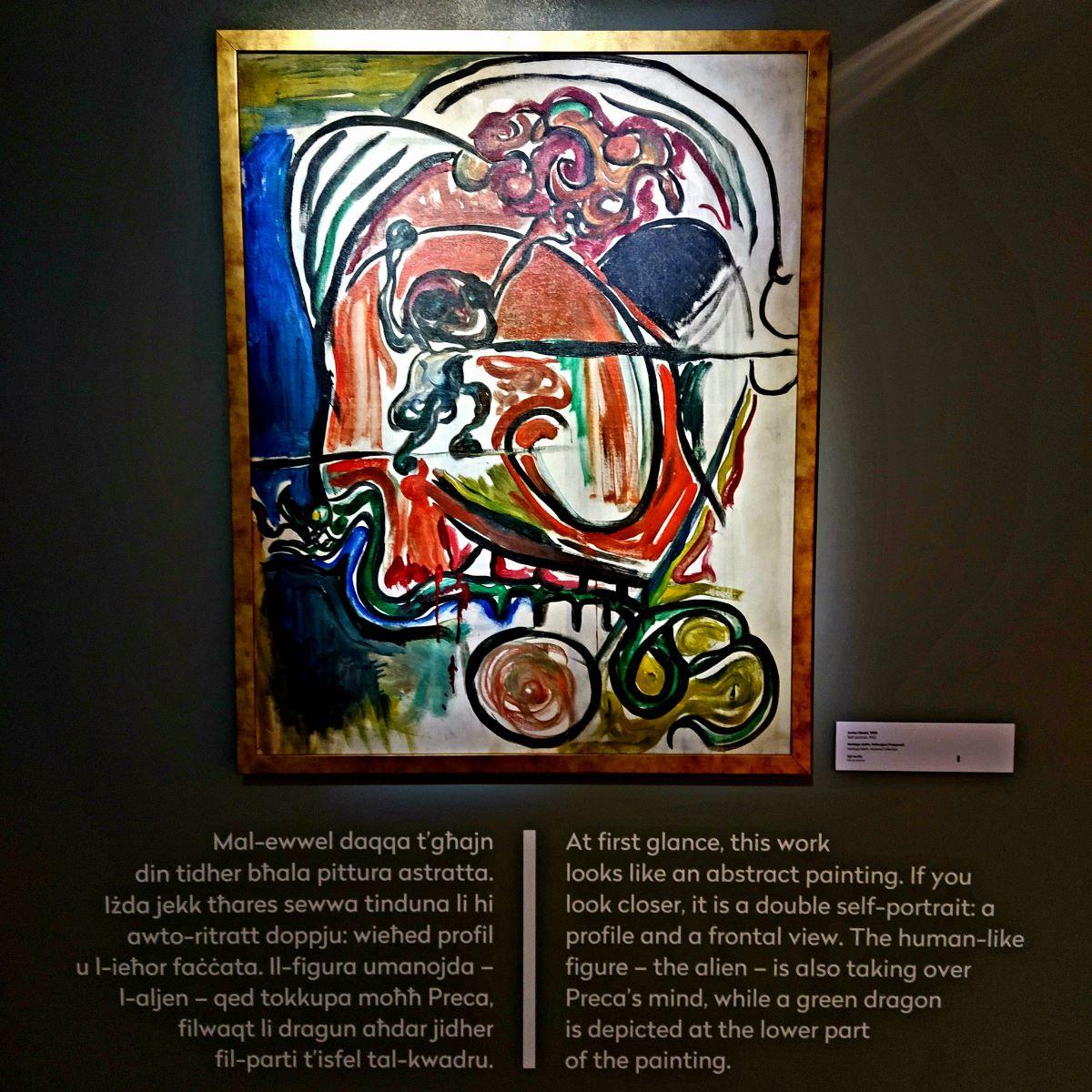 Giorgio Preca ta’ Malta exhibition at MUŻA
Temporary exhibitions and artist-driven initiatives cannot thus compensate for the absence of a national modern art institution. Malta urgently requires a National Museum of Modern Art – a permanent, centralised space that can consolidate and preserve the modernist canon, provide long-term public access, and assert the significance of 20th-century Maltese art on the global stage. Such an institution is not merely desirable; it is essential to prevent Malta’s modernist heritage from being overshadowed, marginalised or forgotten.
Without a dedicated museum, Malta risks perpetuating the misleading perception that its cultural identity is frozen in baroque splendour, while neglecting the dynamic, innovative and internationally engaged creativity that emerged in the 20th century.
A National Museum of Modern Art would correct this imbalance, affirming that Maltese modernism is as crucial to the nation’s artistic identity as its prehistoric temples, baroque churches and historical narratives. It would provide a coherent, authoritative platform for the study, display and interpretation of modernist art, enriching Malta’s cultural image at home and abroad, and securing its place in the broader European and Mediterranean modernist discourse.
Malta’s modernist legacy cannot remain scattered, provisional or secondary. The creation of a National Museum of Modern Art is not a luxury or an aesthetic preference – it is a cultural imperative, a necessary step in ensuring that Malta’s 20th-century creativity is preserved, celebrated and fully recognised as an integral part of the nation’s heritage.