
Russia is assessing how to carry out possible nuclear tests, the Kremlin said on Sunday, after President Vladimir Putin ordered the country’s experts to draw up proposals for what could be the first nuclear tests by Moscow in decades.
The Context
President Donald Trump announced last month the U.S. would “immediately” start nuclear weapons testing on “an equal basis” with unnamed countries. His remarks were opaque, leaving doubt over whether the Republican referred to tests of delivery systems or warheads. Government officials reportedly discussed restarting nuclear tests during his previous administration after accusing Russia and China of carrying out “low yield” tests, which both countries denied.
Energy Secretary Chris Wright earlier this month said the U.S. was not planning on carrying out nuclear explosions.
The U.S., Russia and China—the three countries with the largest atomic arsenals—have not conducted full nuclear tests since the 1990s, although drills to make sure weapons still function correctly have continued in the decades since. North Korea is the only known exception, and the last test the Kremlin carried out was during the now-collapsed Soviet Union.
Russia has reacted with confusion to Trump’s announcement and said it is waiting for clarification from the U.S. Moscow and the Washington combined control roughly 90 percent of the world’s nuclear weapons.
What To Know
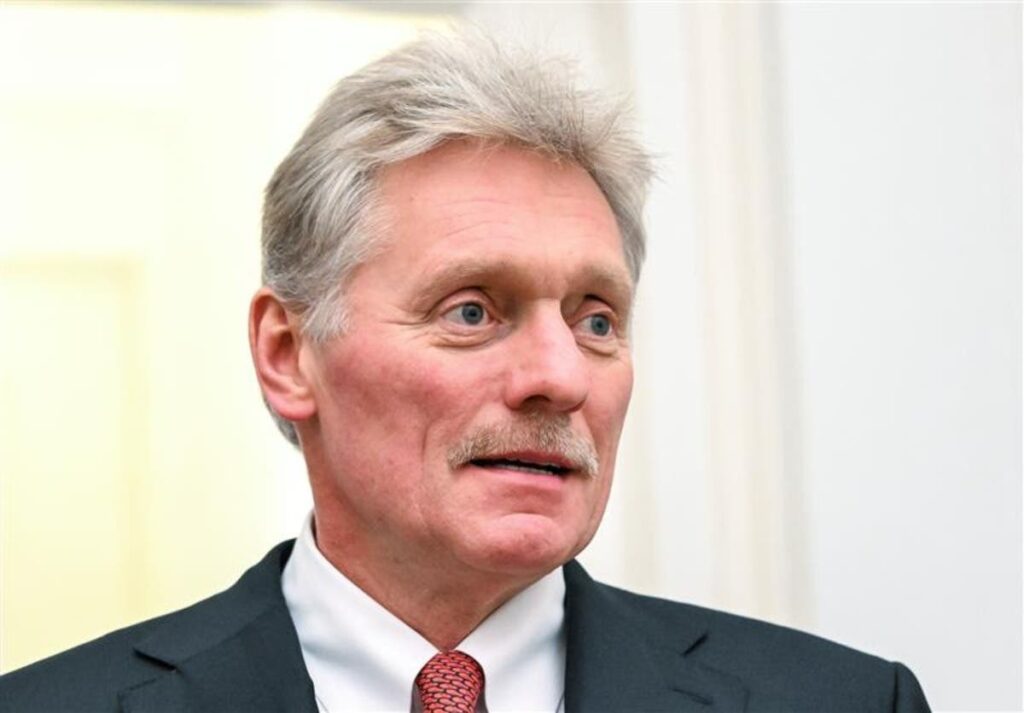
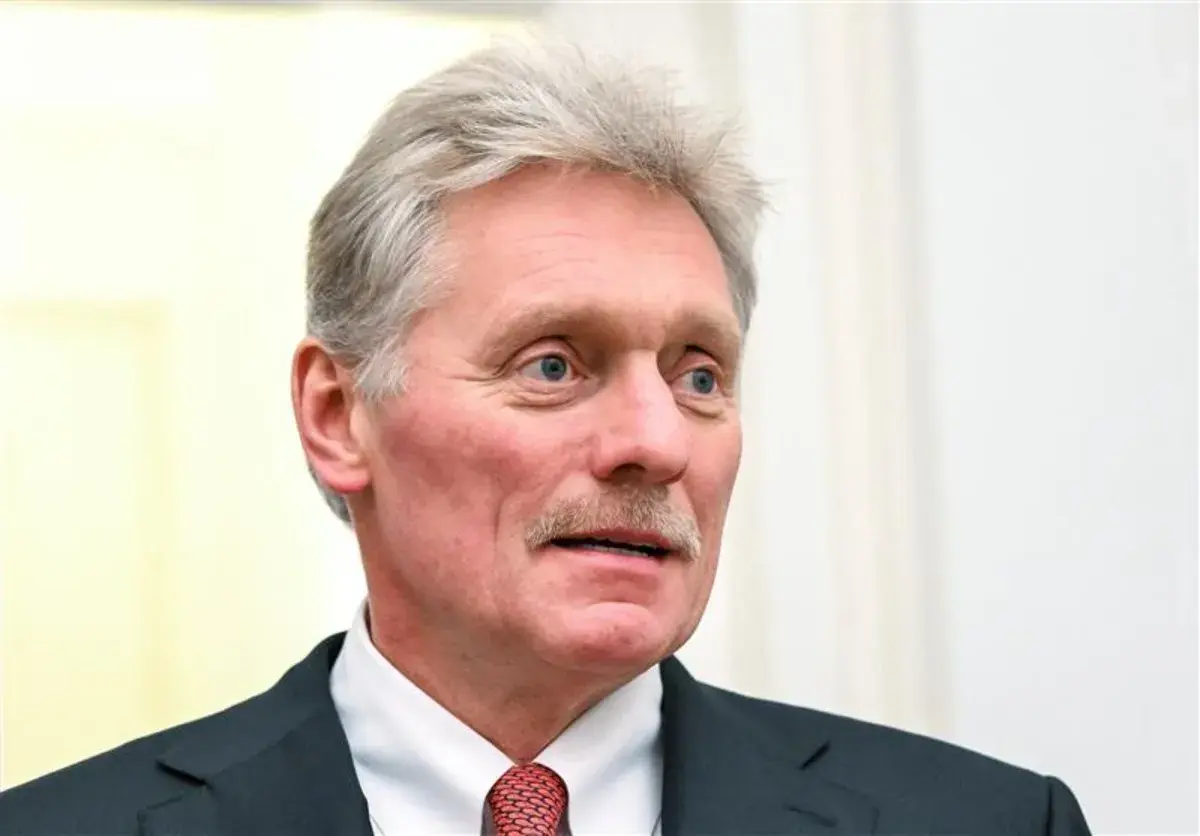
“We really need clarification of what exactly was meant,” Kremlin spokesperson Dmitry Peskov told state media on Sunday. But Putin ordered experts to create plans for how the country could resume its own nuclear testing, he said.
Putin told his security council last week experts must do “everything possible” to formulate proposals for new nuclear testing preparations. Russian Defense Minister Andrey Belousov told his president it was “advisable to begin preparations for full-scale nuclear tests immediately.”
Russia’s foreign minister, Sergey Lavrov, said on Saturday the public would be “informed about the results” of proposals on how to restart nuclear testing.
The 1996 Comprehensive Nuclear Test-Ban Treaty prohibited all explosions. The U.S. signed the treaty but has not ratified it, while Russia withdrew its ratification in 2023. But both sides would have to pull their signature if they no longer intend to observe the treaty.
Experts say resuming full nuclear testing would benefit China most of all, as its modern-day nuclear arsenal is vastly different to its 20th-century weapons. William Alberque, a former head of NATO‘s nuclear non-proliferation center currently with the Pacific Forum nonprofit, previously told Newsweek the U.S. could be ready to perform some form of test within about six to 10 months, but would likely need three years to prepare for a series of tests.
Russia said it had carried out tests of its Burevestnik nuclear-powered cruise missile and its nuclear-capable Poseidon torpedo last month, but that these trials did not count as full nuclear tests. It would be “an extremely superficial and incorrect judgment,” Peskov said on Sunday.
What People Are Saying
“Maybe Donald Trump really talked about Washington’s intention to resume full-scale nuclear tests,” Russian Foreign Minister Sergey Lavrov told state media.