
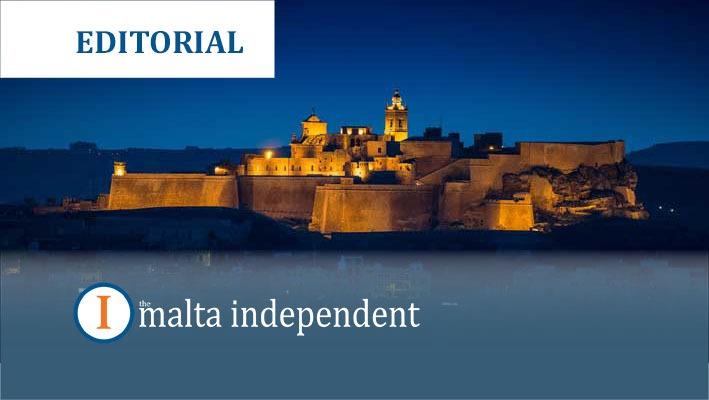

The announcement that Victoria, the capital of Gozo, has been shortlisted for the title of European Capital of Culture 2031 has stirred a deep sense of pride and optimism across the Maltese Islands. For Gozo, this recognition represents not only a celebration of its rich cultural identity but also a moment of affirmation that the island’s unique heritage, creativity, and community spirit have the potential to shine on a continental stage.
This achievement follows in the illustrious footsteps of Valletta 2018, when Malta’s capital held the same prestigious title alongside Leeuwarden in the Netherlands. That year, Valletta became the first World Heritage City in Europe to be named a European Capital of Culture – a distinction that left an enduring mark on the country’s cultural landscape. The 2018 programme gave a platform to Malta’s artistic scene, encouraged international collaboration, and left behind improved infrastructure and a renewed sense of cultural confidence. It showed that a small nation, with vision and determination, could command the attention of Europe’s cultural elite.
Now, with Victoria’s shortlisting, Malta and Gozo have a second opportunity – not only to relive that cultural experience but to refine and build upon it. This recognition was the product of careful planning, the dedication of the local community, and a shared belief that Gozo, though smaller and more tranquil than Malta’s main island, has a cultural heartbeat of its own. Victoria’s bid is not just about a city, but about an entire island of villages coming together to showcase their collective heritage and creativity to the world.
This vision of Gozo as an island of villages is both powerful and authentic. It speaks to the essence of Gozitan life – rooted in community, tradition, and craftsmanship, while offering opportunities for innovation and artistic expression. The challenge ahead is to weave these threads into a cultural programme that resonates both locally and internationally.
Yet, as we celebrate this milestone, it is equally important to acknowledge the lessons of Valletta 2018. That year was rightly celebrated for its energy and ambition, but it was not without its shortcomings. Critics noted issues such as the centralisation of events, uneven community involvement, and limited long-term follow-through once the spotlight faded. These lessons should serve as guiding beacons for Victoria’s team as they enter the final selection phase, with a decision set to be taken in September 2026.
If the final hurdle is overcome, Gozo’s cultural strategy must go beyond spectacle to ensure lasting success. It should aim to empower artists, engage local councils, and create sustainable cultural infrastructure that benefits the community long after 2031. The emphasis must be on inclusivity while nurturing young talent and fostering collaborations between Maltese, Gozitan, and European artists. A strong focus on education, heritage conservation, and digital innovation could also position Gozo as a model for how small regions can use culture as a catalyst for social and economic growth.
If Gozo succeeds in clinching the title, the island will not only celebrate its traditions but also write a new chapter in its cultural evolution. The experience of Valletta 2018 offers a valuable foundation – the successes to emulate, the challenges to overcome, and the networks to reactivate.
Victoria’s shortlisting is a moment of pride, hope and renewal. It is a call for Gozo to rise to the occasion, to embrace its identity, and to show Europe that even the smallest of places can make a profound cultural impact. With unity, vision, and humility, Gozo can turn this opportunity into a legacy that future generations will cherish.